

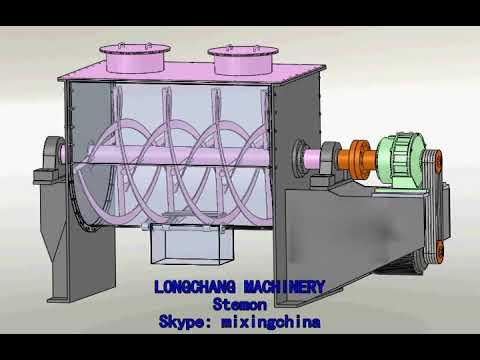
The performance of industrial powder mixing equipment depends on several factors, including equipment design, material properties, operating conditions, and maintenance practices. A well-performing mixer helps manufacturers achieve consistent blending results, reduce production issues, and maintain product quality across different applications.
Choosing suitable equipment, such as an Agitated Powder Mixer designed for specific processing needs, is only one part of achieving efficient mixing. Proper operation and regular optimization also play an important role in ensuring reliable performance and long-term productivity.
Material Characteristics
The properties of the powders being mixed have a significant impact on mixing efficiency. Different materials behave differently based on their physical and chemical characteristics.
Important factors include:
- Particle size
- Powder density
- Moisture content
- Flow properties
- Material compatibility
Powders with different characteristics may require specific mixing speeds, times, or equipment configurations to achieve uniform results.
Mixer Design and Construction
The design of the mixing equipment directly affects how effectively materials are blended. Components such as the agitator structure, vessel shape, and internal configuration influence material movement.
Key design considerations include:
- Agitator type and arrangement
- Mixing chamber design
- Equipment capacity
- Material selection
- Internal surface finish
A properly designed mixer promotes better circulation and reduces areas where materials may remain unmixed.
Agitator Speed and Movement
The speed and movement pattern of the agitator play an important role in determining mixing performance. If the speed is too low, materials may not blend properly. If it is too high, it may create unnecessary stress or affect sensitive powders.
Optimizing agitator operation helps achieve:
- Better particle distribution
- Reduced mixing time
- Improved consistency
- Lower risk of powder separation
The correct settings depend on the specific material and production requirements.
Batch Size and Loading Conditions
The amount of material placed inside the mixer can influence the efficiency of the mixing process. Overloading or underloading the equipment may reduce blending performance.
Proper loading practices help ensure:
- Effective material movement
- Uniform mixing
- Reduced processing time
- Improved equipment efficiency
Manufacturers should operate within the recommended capacity range for the best results.
Mixing Time
The duration of the mixing cycle affects the final product quality. Insufficient mixing may result in uneven distribution, while excessive mixing can waste energy and reduce productivity.
Finding the optimal mixing time helps manufacturers achieve:
- Consistent product quality
- Efficient production cycles
- Reduced operating costs
Mixing time should be adjusted based on material characteristics and required blending standards.
Temperature and Environmental Conditions
Environmental conditions can also influence powder mixing performance. Some materials may react differently depending on temperature, humidity, or surrounding conditions.
Important considerations include:
- Processing temperature
- Moisture control
- Clean operating environment
- Material storage conditions
Maintaining suitable conditions supports stable and reliable mixing results.
Equipment Maintenance
Regular maintenance is essential for keeping mixing equipment operating efficiently. Worn components or poor equipment conditions can affect blending quality and increase downtime.
Maintenance activities should include:
- Inspecting agitator components
- Checking seals and connections
- Cleaning the mixing chamber
- Monitoring drive system performance
- Replacing worn parts when needed
Proper maintenance helps extend equipment life and maintain consistent performance.
Operator Knowledge and Process Control
Operator experience and correct process management can significantly influence mixer performance. Proper training ensures that equipment is used safely and efficiently.
Operators should understand:
- Correct operating procedures
- Suitable mixing parameters
- Cleaning requirements
- Basic troubleshooting methods
Skilled operation reduces errors and improves production reliability.
Automation and Control Features
Modern mixing systems often include advanced controls that help improve accuracy and repeatability. Automated features allow manufacturers to monitor and adjust mixing conditions more effectively.
Useful control functions may include:
- Adjustable mixing parameters
- Digital monitoring
- Automated cycle management
- Safety alerts
These features help maintain consistent results across multiple production batches.
Conclusion
The performance of an agitated powder mixer depends on various factors, including material properties, equipment design, operating parameters, maintenance practices, and operator expertise. By understanding and optimizing these factors, manufacturers can achieve better mixing efficiency, improved product consistency, and more reliable production processes. Proper equipment selection combined with effective operation and maintenance ensures long-term value and performance.
