

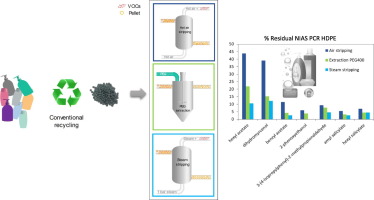
Plastic recycling facilities play an important role in reducing plastic waste and supporting resource recovery. However, recycling operations such as sorting, shredding, washing, drying, melting, extrusion, and pelletizing can release volatile organic compounds (VOCs), unpleasant odors, and airborne contaminants. These emissions may affect indoor air quality, create uncomfortable working conditions, and contribute to environmental pollution if they are not properly controlled.
Implementing effective Plastic Recycling Voc And Odor Treatment helps factories capture and manage emissions generated throughout the recycling process. A suitable treatment system can reduce pollutant concentrations, improve workplace conditions, and support compliance with applicable environmental requirements. The right solution depends on the types of plastics processed, production temperatures, exhaust characteristics, and the chemical composition of the emissions.
Understanding VOC and Odor Emissions in Plastic Recycling
Plastic recycling involves several mechanical and thermal processes. Each stage can generate different types of airborne pollutants depending on the plastic material, additives, contamination, and operating conditions.
Common emission sources include:
- Shredding and crushing equipment.
- Plastic washing and drying lines.
- Heating and melting processes.
- Extruders and pelletizing machines.
- Material storage and handling areas.
- Cleaning and maintenance operations.
When plastic is heated, certain compounds may be released through volatilization or thermal degradation. Contaminated feedstock can also introduce residues, oils, adhesives, inks, and other substances that contribute to emissions.
The composition of these emissions varies according to the polymer type and recycling process. Therefore, factories should identify their actual emission sources before selecting treatment equipment.
Common Pollutants Generated During Plastic Recycling
1. Volatile Organic Compounds
VOCs are organic chemicals that can enter the air as gases or vapors. In plastic recycling facilities, their sources may include residual solvents, printing inks, adhesives, plastic additives, and compounds released during heating.
The specific VOC mixture depends on the feedstock and process conditions. Some compounds may create noticeable odors, while others may be difficult to detect by smell.
2. Unpleasant Odor Compounds
Odors can arise from degraded polymers, residual organic materials, contaminated plastic waste, and process-related chemical reactions.
Mixed plastic waste may contain substances that generate strong odors during washing, drying, or heating. Even when concentrations are relatively low, some odor compounds can be noticeable because of their low odor thresholds.
3. Particulate Matter
Shredding, grinding, conveying, and handling can release plastic dust and other particles. These contaminants may affect workplace air quality and interfere with downstream treatment equipment if they are not captured.
4. Oil Mist and Aerosols
Certain recycling and processing operations may generate oil mist or liquid aerosols from equipment lubricants, contaminated materials, or process residues. These substances can accumulate on filters and adsorption materials, reducing treatment performance.
How VOC and Odor Treatment Improves Factory Air Quality
An effective emission control system improves air quality by capturing pollutants near their sources and treating the collected exhaust before it is released.
1. Reduces Airborne VOC Concentrations
A properly designed VOC treatment system can reduce the concentration of compatible organic compounds in process exhaust.
Depending on the emission characteristics, treatment technologies may include activated carbon adsorption, zeolite rotor concentration, catalytic oxidation, or regenerative thermal oxidation.
Reducing VOC emissions helps limit the release of unwanted organic pollutants into the workplace and surrounding environment.
2. Controls Unpleasant Industrial Odors
Odor treatment focuses on reducing compounds responsible for noticeable smells. This can improve working conditions and reduce the likelihood of odor complaints from neighboring properties.
Different odor compounds respond differently to treatment technologies. Some can be adsorbed by activated carbon, while others may require oxidation or a combination of treatment methods.
Effective odor control begins with identifying the compounds responsible rather than relying on odor masking or fragrance-based products.
3. Improves Workplace Comfort
Persistent chemical odors and airborne contaminants can make industrial work areas uncomfortable. Capturing emissions close to shredders, extruders, dryers, and other process equipment helps prevent pollutants from spreading throughout the factory.
Proper ventilation and treatment can create a more controlled working environment. However, emission treatment should complement appropriate workplace exposure controls and occupational health measures.
4. Supports Cleaner Production Areas
Dust, fumes, and oily aerosols can settle on machinery, floors, and surrounding surfaces. Effective source capture and suitable filtration help reduce the spread of these contaminants.
Cleaner production areas can also make equipment inspection, maintenance, and routine housekeeping easier.
5. Helps Meet Environmental Requirements
Plastic recycling facilities may be subject to air emission limits, workplace safety requirements, and local odor-control regulations.
A properly engineered treatment system can help businesses manage emissions and demonstrate a more systematic approach to environmental protection. Actual compliance must be verified through the applicable monitoring and testing requirements.
Key VOC and Odor Treatment Technologies for Plastic Recycling Facilities
Different recycling processes generate different exhaust characteristics. Selecting the correct technology requires evaluating airflow, VOC composition, concentration, temperature, humidity, and contaminant loading.
1. Activated Carbon Adsorption
Activated carbon systems remove compatible VOCs and odor compounds by retaining them on the carbon’s porous surface.
They may be suitable for certain low- or moderate-concentration exhaust streams, depending on airflow and the adsorption characteristics of the pollutants.
Important considerations include:
- Carbon type and adsorption capacity.
- VOC composition and concentration.
- Humidity and temperature.
- Potential for competitive adsorption.
- Carbon replacement or regeneration.
- Fire risk and temperature monitoring.
Mixed emissions may contain compounds with different adsorption characteristics. Carbon selection should therefore be based on actual exhaust analysis.
2. Zeolite Rotor Concentration
Zeolite rotor concentrators are commonly considered for applications with large exhaust volumes and relatively low VOC concentrations.
The rotor captures compatible VOC compounds from the main exhaust stream. Heated air then releases the captured pollutants into a smaller airflow, creating a more concentrated stream for downstream treatment.
The concentrated exhaust can be directed to an RTO or catalytic oxidizer, depending on its chemical composition and operating requirements.
This approach can reduce the volume of air requiring oxidation, but rotor material compatibility, humidity, temperature, and pretreatment must be carefully evaluated.
3. Regenerative Thermal Oxidation
A regenerative thermal oxidizer uses high-temperature oxidation to destroy many combustible organic compounds. Ceramic heat recovery beds help reduce the energy required to heat incoming exhaust.
RTO systems may be appropriate for certain plastic recycling operations where VOC concentrations, airflow, and chemical composition are compatible with the equipment.
Important design factors include:
- VOC concentration and heating value.
- Required oxidation temperature.
- Residence time and airflow distribution.
- Heat recovery performance.
- Combustion safety controls.
- Potential formation of corrosive or undesirable by-products.
4. Catalytic Oxidation
Catalytic oxidation uses a catalyst to promote the oxidation of compatible VOC compounds, often at lower temperatures than conventional thermal oxidation.
This technology may be suitable for selected recycling exhaust streams, provided the compounds and contaminants do not interfere with catalyst activity.
Certain substances, including some sulfur-, halogen-, silicon-, and phosphorus-containing compounds, may affect catalyst performance. Feed gas analysis and suitable pretreatment are therefore important.
5. Wet Scrubbing
Wet scrubbers transfer selected contaminants from exhaust air into a liquid. They can be useful for certain water-soluble gases, acidic pollutants, and process-specific contaminants.
However, many common VOCs have limited water solubility. A conventional water scrubber should not be assumed to remove every organic vapor or odor compound effectively.
The scrubbing liquid and operating conditions should be selected according to the target pollutants.
Importance of Source Capture and Exhaust Collection
Treatment equipment can only perform effectively when contaminated air is collected and delivered to it properly.
Plastic recycling factories should identify emission points throughout the production process and install suitable hoods or enclosures where practical.
Important source capture locations may include:
- Shredder and crusher discharge points.
- Plastic washing and drying equipment.
- Heating and melting zones.
- Extruder feed and degassing sections.
- Pelletizing equipment.
- Material transfer and storage areas.
Ductwork should be designed to maintain suitable airflow while minimizing leakage and excessive pressure loss. Fans, dampers, and collection hoods should be sized according to the actual operating requirements.
Capturing emissions close to their source can reduce the spread of contaminants and improve the effectiveness of the overall treatment system.
How to Design an Effective Plastic Recycling VOC Treatment System
A reliable system requires a structured design process that considers the facility’s production conditions and environmental objectives.
Step 1: Identify Emission Sources
Inspect the recycling line to determine where VOCs, odors, dust, and aerosols are generated. Different processes may require separate collection arrangements.
Step 2: Analyze Exhaust Composition
Determine the types and concentrations of pollutants in the exhaust. Testing may be needed to identify specific VOC compounds and odor-causing substances.
Step 3: Measure Airflow and Operating Conditions
Evaluate exhaust volume, temperature, humidity, and pressure conditions. Include variations between normal production, peak operation, startup, and shutdown.
Step 4: Select Compatible Treatment Equipment
Compare adsorption, concentration, oxidation, and scrubbing technologies based on pollutant characteristics and treatment requirements.
Step 5: Design Appropriate Pretreatment
Install suitable filtration or mist removal where dust, oil, or aerosols could interfere with the main treatment equipment.
Step 6: Integrate Monitoring and Controls
Use appropriate sensors and control equipment to monitor airflow, temperature, pressure drop, and other relevant operating parameters.
Step 7: Verify Treatment Performance
Commission the system under representative operating conditions and conduct suitable performance testing to confirm that it meets the intended treatment objectives.
Factors That Influence VOC and Odor Treatment Performance
Even a correctly selected treatment technology can underperform if important operating factors are overlooked.
Plastic Feedstock Quality
Recycled plastic may contain residual chemicals, labels, adhesives, inks, food residues, and other contaminants. Changes in feedstock composition can alter the type and quantity of emissions.
Processing Temperature
Excessive or unstable heating may increase the release of VOCs and thermal degradation products. Maintaining suitable process temperatures can help limit avoidable emissions at their source.
Exhaust Humidity
High humidity can affect adsorption performance and may influence the selection of rotor or filter materials.
Particulate and Oil Contamination
Dust and oil mist can accumulate within treatment equipment, increasing pressure drop and reducing the effectiveness of adsorption or filtration.
Airflow Stability
Fluctuating airflow can affect capture efficiency, treatment contact time, and equipment performance. Collection systems should be designed around actual production conditions.
Energy Efficiency and Operating Cost Considerations
The cost of VOC and odor control includes more than the initial equipment purchase. Electricity, heating energy, consumables, maintenance, and production downtime all contribute to total operating expenses.
Important factors include:
- Fan and motor electricity consumption.
- Heating requirements for oxidation systems.
- Activated carbon replacement or regeneration.
- Zeolite rotor inspection and maintenance.
- Filter and mist collector servicing.
- Catalyst replacement where applicable.
- Heat recovery opportunities.
- Operating hours and production schedules.
A system should be evaluated according to its total lifecycle cost. For example, a zeolite rotor concentrator combined with an oxidation unit may be attractive for certain high-airflow, low-concentration applications, but its economic suitability depends on the actual exhaust conditions.
Maintenance Practices for Reliable Treatment Performance
Routine maintenance helps preserve equipment performance and identify developing problems before they cause significant interruptions.
Recommended activities include:
- Inspecting collection hoods and ductwork for damage or leakage.
- Cleaning or replacing filters according to pressure drop and maintenance requirements.
- Checking fans, motors, bearings, and dampers.
- Monitoring VOC concentration and treatment performance.
- Inspecting activated carbon for breakthrough or deterioration.
- Checking zeolite rotor condition and sealing arrangements.
- Monitoring oxidation temperature and control systems.
- Inspecting catalysts for contamination where catalytic oxidation is used.
- Testing alarms and protective devices.
- Maintaining accurate inspection and operating records.
The equipment manufacturer should provide a maintenance schedule based on the selected technology and the facility’s operating conditions.
Common Mistakes in Plastic Recycling Odor Control
Several mistakes can reduce the effectiveness of factory air quality improvement efforts.
- Treating all odors as the same: Different odor compounds require different treatment approaches.
- Selecting equipment without emission analysis: Incomplete data can lead to unsuitable technology selection.
- Ignoring source capture: Poor collection allows contaminants to spread before reaching the treatment unit.
- Overlooking pretreatment: Dust and oil mist can interfere with downstream equipment.
- Relying only on general ventilation: Dilution may reduce local concentrations but does not replace appropriate emission capture and treatment.
- Neglecting maintenance: Dirty filters, worn seals, and deteriorating treatment materials can reduce performance.
A systematic approach helps factories avoid unnecessary operating costs and improve long-term treatment reliability.
Conclusion
Plastic recycling VOC and odor treatment plays an important role in improving factory air quality and managing industrial emissions. Shredding, washing, drying, melting, extrusion, and pelletizing can generate different pollutants, making source identification and exhaust analysis essential before selecting treatment equipment.
Activated carbon adsorption, zeolite rotor concentration, regenerative thermal oxidation, catalytic oxidation, and wet scrubbing each have specific applications and limitations. The most effective solution depends on pollutant composition, airflow, temperature, humidity, safety requirements, and operating costs.
By combining effective source capture, suitable pretreatment, compatible treatment technology, reliable monitoring, and regular maintenance, plastic recycling facilities can reduce airborne contaminants, improve workplace conditions, and support more responsible environmental performance.
