

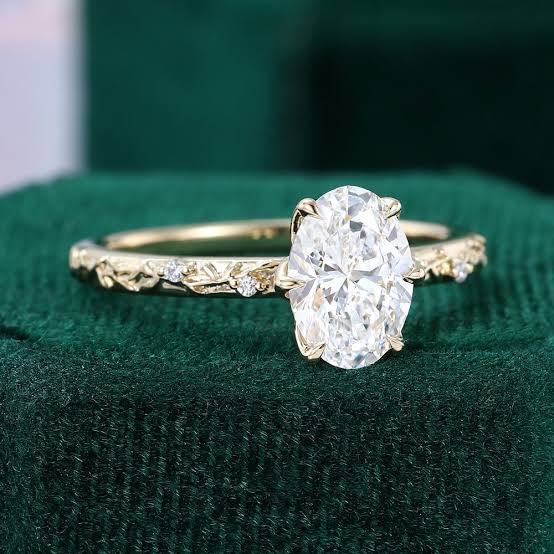
Buying a diamond ring is an important decision that involves more than choosing an attractive design. Buyers need to evaluate the diamond’s quality, examine the setting, compare materials, and understand the documentation provided by the seller. Since lab-grown diamonds are available in many shapes, sizes, and quality grades, knowing what to look for can make the purchasing process easier.
When shopping for a Lab Diamond Ring, it is important to look beyond carat weight and overall appearance. A high-quality ring combines a well-cut diamond, suitable color and clarity characteristics, reliable grading information, and carefully finished jewelry craftsmanship.
This guide explains the key factors to examine before purchasing so you can make a more informed decision and choose a ring that meets your expectations.
1. Understand the 4Cs of Diamond Quality
The 4Cs—cut, color, clarity, and carat weight—provide a standard framework for evaluating diamonds. Understanding these characteristics is one of the most useful ways to compare different stones.
Cut: Evaluate the Diamond’s Brilliance
Cut quality influences how effectively a diamond interacts with light. A well-cut diamond can display attractive brightness, fire, and sparkle.
When examining a diamond, consider:
- How evenly light appears across the stone.
- Whether the diamond has noticeable dark areas.
- The balance of its proportions and symmetry.
- The quality of its polish and facet alignment.
For round brilliant diamonds, recognized grading systems may provide an overall cut grade. Fancy shapes, such as oval, pear, and emerald, are evaluated differently, so buyers should examine their proportions and visual appearance carefully.
Color: Check the Diamond’s Appearance
Color grading generally measures how close a colorless diamond is to having no visible body color. The commonly used D-to-Z scale begins with D, representing colorless, and moves toward increasingly noticeable yellow or brown tones.
Not every buyer needs the highest color grade. Some lower grades can still appear attractive, depending on the diamond’s shape, size, setting, and viewing conditions.
Clarity: Examine Internal and External Features
Clarity refers to inclusions inside a diamond and blemishes on its surface.
Common clarity grades include:
- FL (Flawless): No inclusions or blemishes visible under the specified grading conditions.
- IF (Internally Flawless): No internal inclusions visible under the specified grading conditions.
- VVS1 and VVS2: Very, very slightly included.
- VS1 and VS2: Very slightly included.
- SI1 and SI2: Slightly included.
- I1, I2, and I3: Included.
A diamond does not necessarily need a flawless grade to look beautiful. Many stones with minor inclusions can appear clean to the naked eye.
Carat: Understand Diamond Weight
Carat measures a diamond’s weight rather than its visible size. Two diamonds with the same carat weight can look different because their shapes, proportions, and depth vary.
When comparing stones, review their face-up measurements in millimeters as well as their carat weight.
2. Request a Reliable Diamond Grading Report
A grading report provides independent information about a diamond’s characteristics. It can help buyers verify what they are purchasing rather than relying only on a seller’s description.
Reputable gemological laboratories issue reports that may include:
- Diamond identification.
- Confirmation that the stone is laboratory-grown.
- Carat weight.
- Color and clarity grades.
- Measurements.
- Cut information, where applicable.
- Additional identification details.
Organizations such as the Gemological Institute of America (GIA) and the International Gemological Institute (IGI) provide diamond-related grading and identification services.
What Should You Check on the Report?
Make sure the report corresponds to the actual diamond being offered. Compare the measurements, carat weight, and identifying details with the seller’s product information.
If the diamond has a laser inscription, ask whether its inscription number matches the documentation. Not every diamond has an inscription, so this should be treated as an additional verification method rather than a universal requirement.
3. Inspect the Diamond’s Visual Appearance
A grading report is useful, but it cannot replace examining the actual diamond. Two stones with similar grades may look different because of their proportions, light performance, and individual characteristics.
If possible, view the diamond in person. Otherwise, request clear photographs and high-quality videos under different lighting conditions.
Look for These Visual Details
- Brightness: Does the diamond reflect light evenly?
- Fire: Does it show attractive flashes of color?
- Scintillation: Does it produce lively flashes when moved?
- Symmetry: Does the shape appear balanced?
- Transparency: Are there visible imperfections that affect its appearance?
Avoid judging a diamond using only heavily edited product photographs. Realistic images and videos provide a more useful understanding of the stone.
4. Evaluate the Diamond Shape and Proportions
Diamond shape influences the ring’s style, but proportions also affect its appearance.
Popular options include:
- Round brilliant: Known for its symmetrical outline and strong light performance.
- Oval: Offers an elongated appearance and can look larger face-up.
- Princess: Features a square outline with sharp corners.
- Emerald: Uses step-cut facets that create broad flashes of light.
- Pear: Combines a rounded end with a pointed tip.
- Cushion: Has rounded corners and a softer outline.
- Radiant: Combines an angular shape with brilliant-style faceting.
When evaluating fancy shapes, examine the length-to-width ratio, symmetry, and overall appearance. For example, an oval diamond should have balanced proportions and an acceptable bow-tie effect, while a pear-shaped diamond should have a well-defined point and balanced curves.
The best shape is the one that matches your preferences and complements the setting.
5. Examine the Ring Setting and Metal Quality
A high-quality diamond should be supported by a carefully manufactured setting. Even an attractive center stone may not perform well as jewelry if its setting is poorly constructed.
Check the Setting Type
Different settings offer different benefits.
Prong Setting: Uses metal claws to hold the diamond while leaving much of it visible.
Bezel Setting: Surrounds the diamond’s edge with metal for a smooth and protective design.
Halo Setting: Places smaller diamonds around the center stone for additional decoration.
Pavé Setting: Uses small accent diamonds along the band.
Channel Setting: Holds accent stones between parallel metal walls.
Check that the setting is appropriate for the diamond’s shape and provides adequate protection, particularly around pointed corners and tips.
Review the Metal
Common engagement ring metals include:
- 14K gold: Offers a balance of gold content and durability.
- 18K gold: Contains a higher proportion of pure gold and has a richer gold content.
- Platinum: A dense, naturally white precious metal commonly used for fine jewelry.
Ask the seller to confirm the metal type, purity, and any relevant alloy information. The ring should also have a smooth finish, comfortable edges, and consistent construction.
6. Check the Security of the Diamond
The center diamond should be firmly positioned in the setting. A loose stone can become damaged or fall out if the problem is not addressed.
Before buying, examine the prongs or surrounding metal carefully.
Signs of a Well-Made Setting
- Prongs are evenly positioned.
- The diamond sits straight and securely.
- The metal does not have sharp or unfinished edges.
- The setting matches the stone’s dimensions.
- Accent diamonds appear properly aligned.
- The band has a consistent finish.
If you are buying online, request close-up photographs of the setting from the top, sides, and underside.
A qualified jeweler can also inspect the ring if you want additional reassurance before purchase.
7. Understand the Diamond’s Origin and Production Method
Lab-grown diamonds are produced using controlled manufacturing processes rather than being mined from the earth.
Two common production methods are High Pressure High Temperature (HPHT) and Chemical Vapor Deposition (CVD).
HPHT Diamonds
HPHT technology uses high pressure and temperature to encourage carbon crystallization on a diamond seed.
CVD Diamonds
CVD technology uses a controlled gas environment in which carbon-containing gases break down and deposit carbon atoms onto a diamond seed.
Both methods can produce gem-quality diamonds. The production method alone does not determine whether a finished diamond is high quality.
Instead, buyers should evaluate the individual stone’s characteristics and review any available documentation about its origin and treatments.
8. Compare Price with Diamond Quality
Price is an important part of the buying process, but the lowest-priced ring is not necessarily the best choice.
Lab-grown diamond prices vary according to carat weight, cut quality, color, clarity, shape, and market conditions. The setting, metal, accent stones, and craftsmanship also influence the total cost.
What to Compare Between Sellers
| Factor | What to Evaluate |
|---|---|
| Carat Weight | Actual weight and face-up measurements |
| Cut Quality | Proportions, symmetry, polish, and light performance |
| Color | Visible body color and grading information |
| Clarity | Inclusion characteristics and visibility |
| Shape | Proportions and overall appearance |
| Metal | Type, purity, and weight |
| Setting | Construction quality and stone security |
| Documentation | Grading report and diamond identification |
| After-Sales Service | Warranty, resizing, repairs, and support |
Compare diamonds with similar characteristics rather than choosing based on price or carat weight alone.
9. Review the Seller’s Reputation and Transparency
The seller plays an important role in ensuring that the diamond and ring meet your expectations.
A reliable jewelry business should provide clear product details, answer questions about diamond quality, and explain its purchasing policies.
Questions to Ask Before Buying
- Is the diamond confirmed as laboratory-grown?
- Is an independent grading report available?
- Which laboratory issued the report?
- What are the diamond’s exact measurements?
- Which metal and purity are used for the ring?
- Is the setting inspected before delivery?
- What warranty or repair services are included?
- Can the ring be resized?
- What is the return or exchange policy?
- Are there additional charges for customization or shipping?
Clear answers help establish whether the seller is transparent and whether the product matches its description.
10. Evaluate Comfort and Everyday Practicality
An engagement ring is often worn regularly, so comfort should be considered alongside appearance.
A high-quality ring should fit securely without feeling uncomfortable or restricting normal movement.
Consider the following details:
Band Width
Narrow bands create a delicate appearance, while wider bands feel more substantial. The ideal width depends on finger size and personal preference.
Setting Height
High-profile settings can make the center diamond more visible but may catch on clothing or objects. Lower-profile settings can be more practical for active routines.
Ring Size
An accurate ring size helps prevent the ring from slipping or feeling too tight. If purchasing online, check the seller’s sizing guidance and resizing policy.
Diamond Protection
If you regularly use your hands for physical work, consider protective settings that reduce exposure around the diamond’s edges.
11. Common Warning Signs to Watch For
Being aware of potential warning signs can help you avoid disappointing purchases.
- Missing documentation: The seller cannot provide clear information about the diamond’s identity or grading.
- Unclear descriptions: Important details such as carat weight, metal purity, or diamond origin are missing.
- Unrealistic claims: The seller promises investment returns or guarantees that the diamond will never be damaged.
- Poor-quality images: Product photographs do not clearly show the actual stone or setting.
- Unexplained price differences: The seller cannot explain why a ring is priced differently from comparable products.
- Unclear policies: Return, warranty, or resizing conditions are difficult to understand.
- Visible setting problems: Prongs appear uneven, stones are misaligned, or the metal finish looks rough.
Taking time to investigate these issues can help you make a more confident purchase.
12. A Practical Checklist Before Purchasing
Before placing an order, use this checklist to review the most important aspects of the ring.
- Confirm that the diamond is laboratory-grown.
- Review the grading report and verify its details.
- Compare cut, color, clarity, and carat weight.
- Examine realistic photographs or videos.
- Check the diamond’s shape and proportions.
- Confirm the ring metal and purity.
- Inspect the setting design and stone security.
- Verify the ring size and comfort.
- Compare prices with similar-quality rings.
- Read warranty, return, and resizing policies.
This process helps ensure that you evaluate the complete piece of jewelry rather than focusing on just one feature.
Conclusion
Identifying a high-quality lab-grown diamond ring requires attention to both the gemstone and its setting. The 4Cs provide a useful starting point, while independent grading reports, visual inspection, diamond proportions, and metal quality help create a more complete picture.
Buyers should also examine craftsmanship, setting security, seller transparency, and after-sales policies before making a final decision. A lower price or larger carat weight does not automatically indicate better quality.
By comparing these factors carefully, you can select a lab-grown diamond ring that offers the appearance, comfort, craftsmanship, and specifications you expect from an important piece of fine jewelry.
