

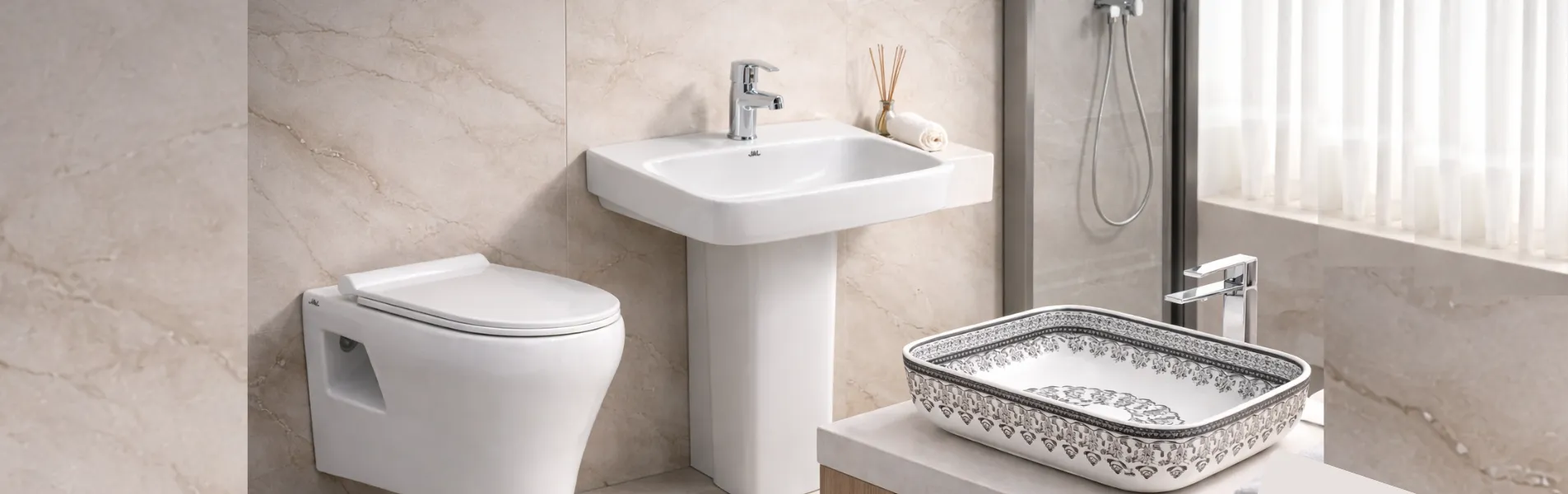
The global construction and real estate industries rely heavily on efficient bathroom infrastructure, which has increased the demand for high-quality sanitary products. From residential apartments and commercial buildings to hotels and hospitals, sanitary ware plays a crucial role in modern facilities. As infrastructure development continues worldwide, the ability of manufacturers to produce and deliver sanitary products in large volumes has become a significant competitive advantage. International manufacturers are increasingly focusing on bulk supply capabilities to meet the demands of large-scale construction projects and global distribution networks.
In today’s highly competitive market, large-scale production capacity and efficient logistics systems are essential for manufacturers who want to serve international buyers. Many global suppliers invest in advanced manufacturing facilities, automation technologies, and integrated supply chain systems to handle high-volume orders. Businesses and distributors looking to partner with reliable suppliers often explore trusted sources such as Sanitary Ware Manufacturers to understand the capabilities and strengths of leading companies in the industry. These partnerships allow contractors, wholesalers, and retailers to ensure consistent product availability while maintaining quality standards across multiple markets.
Large-Scale Manufacturing Infrastructure
One of the key factors that enable international sanitary ware manufacturers to supply products in bulk is their advanced production infrastructure. Modern factories are equipped with automated machinery, precision molding systems, and robotic finishing technologies that significantly increase manufacturing efficiency. These facilities are designed to produce thousands of units per day, including wash basins, bathtubs, toilets, and shower trays.
Automation not only accelerates production but also ensures consistent product quality. By minimizing human error and maintaining strict quality control standards, manufacturers can guarantee uniformity across large orders. This consistency is particularly important for large construction projects where identical designs and specifications are required across multiple buildings.
Efficient Supply Chain and Logistics
Bulk supply is not only about manufacturing capacity; it also depends heavily on effective logistics and supply chain management. International sanitary ware manufacturers typically operate with integrated supply networks that connect raw material suppliers, production facilities, warehouses, and shipping partners.
Efficient logistics systems help manufacturers manage inventory, reduce production delays, and ensure timely delivery of bulk shipments. Many companies establish regional distribution centers and collaborate with global freight partners to deliver products to various continents. These well-structured logistics strategies allow manufacturers to fulfill large orders without compromising delivery timelines.
Customization for Large Orders
Another important capability offered by international sanitary ware manufacturers is customization for bulk buyers. Large developers, hotel chains, and commercial projects often require unique product designs, finishes, and dimensions to match their architectural plans. Manufacturers that specialize in bulk supply frequently provide tailored production solutions to meet these requirements.
Customization can include different colors, materials, textures, and installation styles. For example, luxury hotels may request custom-designed wash basins or bathtubs that match the interior theme of their rooms. By offering flexible manufacturing options, suppliers can meet the specific needs of clients while maintaining large production volumes.
Quality Assurance in Bulk Production
Maintaining high quality during mass production is a major challenge in the sanitary ware industry. International manufacturers address this challenge by implementing strict quality control procedures throughout the production process. These procedures often include material testing, dimensional inspections, surface finishing checks, and durability testing.
Advanced testing laboratories within manufacturing facilities help ensure that every product meets international safety and performance standards. Quality certifications such as ISO standards and environmental compliance certifications further enhance the credibility of bulk suppliers in global markets.
Sustainability in High-Volume Manufacturing
Sustainability has become an essential factor in modern manufacturing, especially for companies producing large volumes of sanitary products. International manufacturers are increasingly adopting eco-friendly production practices to reduce environmental impact.
Energy-efficient machinery, water recycling systems, and sustainable raw materials are now common in large manufacturing plants. Many companies also design water-saving sanitary products, such as low-flow toilets and eco-friendly faucets, which align with global environmental regulations. These sustainable initiatives help manufacturers maintain large-scale production while supporting environmentally responsible construction practices.
Global Market Reach
International sanitary ware manufacturers often serve clients across multiple regions, including Asia, Europe, North America, and the Middle East. Their bulk supply capabilities allow them to meet the demands of distributors, construction firms, and retailers operating in different markets.
Export-oriented manufacturers typically adapt their products to comply with regional standards and regulations. They also provide multilingual customer support, flexible shipping options, and reliable after-sales services. These features make it easier for global buyers to source sanitary products in large quantities with confidence.
Future Growth of Bulk Supply Capabilities
As global urbanization continues and infrastructure development accelerates, the demand for large-scale sanitary ware supply will continue to grow. Manufacturers are investing in smarter production technologies, digital supply chain systems, and automated quality control solutions to further enhance their bulk production capabilities.
The future of the sanitary ware industry will likely see even greater integration of advanced manufacturing technologies and global distribution networks. Companies that successfully combine large production capacity with innovation, sustainability, and efficient logistics will remain key players in meeting the rising global demand for sanitary products.
