

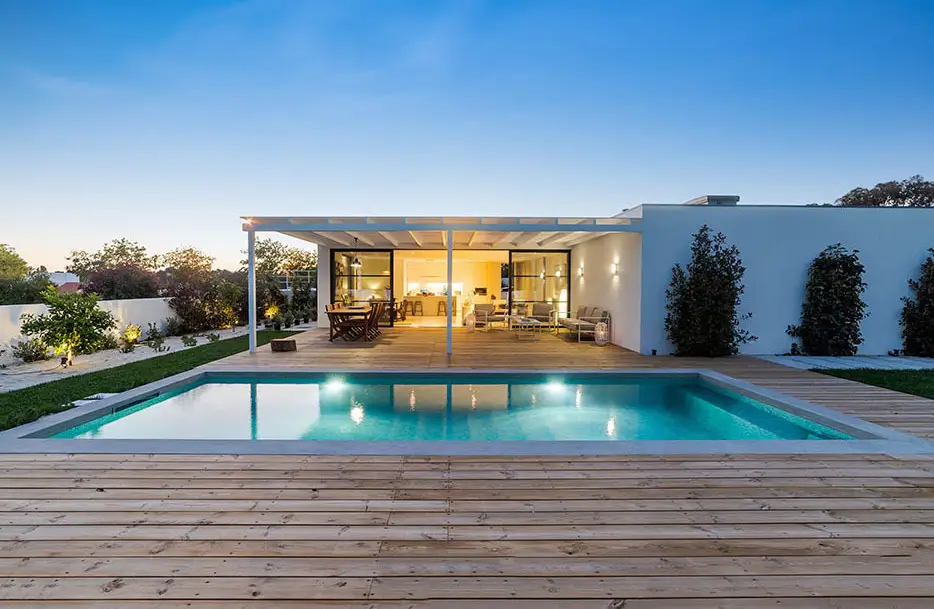
Swimming pools offer a valuable way to relax, exercise, and spend time with family and friends. However, keeping a pool safe and easy to manage requires more than clean water and attractive surroundings. Modern technology, thoughtful design, and reliable equipment can help homeowners create swimming environments that are both practical and secure.
Choosing appropriate Swimming Pool Solutions allows property owners to address everyday challenges, from monitoring water quality to improving access and simplifying maintenance. By combining suitable technology with essential safety measures, pool owners can reduce routine workloads while creating a more comfortable swimming experience.
The Role of Innovation in Modern Pool Design
Traditional swimming pools often require frequent manual checks and routine adjustments to maintain suitable operating conditions. Modern designs can incorporate automated equipment, efficient circulation systems, and practical safety features that make pool management more convenient.
Innovation does not necessarily mean installing the most advanced or expensive equipment. Instead, it involves identifying the features that address a property’s specific needs, available space, expected usage, and maintenance budget.
For example, a family pool may benefit from secure barriers and automatic controls, while a compact exercise pool may prioritize reliable temperature management and easy access. Matching features to actual requirements helps ensure that improvements deliver meaningful benefits.
Smart Technology for Easier Pool Management
Automation has become an important part of modern pool maintenance. Depending on the equipment installed, automated systems can manage filtration schedules, lighting, heating, and certain water-treatment functions.
Automated Water Monitoring
Maintaining balanced water chemistry is essential for swimmer comfort and sanitation. Some monitoring systems measure parameters such as pH and sanitizer levels, helping owners identify when adjustments may be necessary.
Automated monitoring can reduce the effort involved in routine checks, but it should not replace appropriate manual testing, equipment calibration, or professional servicing. Pool owners must follow manufacturer instructions and applicable health guidelines to maintain safe water conditions.
Remote Controls and Scheduling
Compatible smart controls allow users to manage selected pool functions through a dedicated control panel or mobile application. Depending on the system, owners may adjust heating schedules, activate lighting, or manage pump operation remotely.
Scheduling equipment around actual swimming patterns can improve convenience and help avoid unnecessary energy use. However, remote access should never be treated as a substitute for physical safety checks or direct supervision.
Safety Features That Help Reduce Pool Risks
Safety should remain a central consideration in every swimming pool project. Innovative equipment can support risk reduction, but effective protection depends on combining technology with appropriate physical safeguards and responsible behavior.
Secure Barriers and Pool Covers
Pool fencing, self-closing gates, and secure access points help prevent unintended entry into the water. These features are particularly important for households with young children and for properties where visitors may be unfamiliar with the pool area.
Automatic pool covers can provide additional protection when properly designed, installed, and used. Owners should verify that a cover is suitable for its intended safety purpose, as not every pool cover is designed to support a person’s weight or prevent drowning.
Barriers and covers should meet applicable local requirements and be inspected regularly for damage or mechanical problems.
Slip-Resistant Surfaces
Wet pool decks can become slippery, increasing the likelihood of falls. Choosing suitable slip-resistant materials for surrounding walkways, steps, and entry areas can help improve traction.
Good drainage is equally important because standing water can create additional hazards. Regular cleaning helps remove algae, dirt, and other substances that may make surfaces more slippery.
Improved Visibility and Lighting
Proper lighting helps swimmers and other users see pool edges, steps, depth changes, and nearby obstacles. Underwater lights can improve visibility in the water, while pathway lighting supports safer movement around the pool after dark.
All electrical equipment installed near swimming pools must be suitable for its environment and installed according to applicable electrical safety standards. Lighting should complement, rather than replace, direct supervision and other protective measures.
Efficient Equipment for Better Performance
Pool pumps, filters, and heating systems influence both convenience and operating expenses. Selecting equipment that matches the pool’s size and expected usage can improve performance and reduce unnecessary energy consumption.
Variable-Speed Pumps
Variable-speed pumps can operate at different speeds to suit circulation and cleaning requirements. Running a pump at a lower speed for appropriate periods may reduce electricity consumption compared with operating a conventional pump continuously at high speed.
The correct settings depend on the pool’s design, filtration needs, and equipment specifications. Regular inspection and maintenance remain essential for reliable operation.
Advanced Filtration Systems
Filtration removes suspended particles and supports water clarity. Different filter types have different cleaning requirements, operating characteristics, and water-use implications.
A suitable system should be selected according to the pool’s volume, bather load, sanitation method, and maintenance capabilities. Even advanced filtration cannot replace proper disinfection, because clear water is not necessarily safe water.
Energy-Efficient Heating
Pool heating can extend the swimming season in cooler conditions. Efficient heaters, heat pumps, and suitable pool covers can help maintain comfortable temperatures while limiting unnecessary energy use.
Owners should consider local climate, electricity or fuel costs, insulation, and expected operating hours when comparing heating options. A system that is appropriately sized for the intended use is generally easier to operate efficiently.
Convenience Through Thoughtful Pool Design
Technology is only one part of creating a convenient swimming environment. The pool’s physical layout can also reduce daily effort and make it easier for people with different needs to enjoy the space.
Features such as built-in steps, handrails, shallow entry areas, and accessible pathways can improve usability. Adequate space around the pool also makes cleaning, equipment servicing, and movement easier.
For smaller properties, compact pool designs can preserve valuable outdoor space while providing opportunities for relaxation or exercise. Thoughtful equipment placement can further simplify maintenance by keeping service areas accessible without disrupting the surrounding landscape.
Homeowners should consider how the pool will be used throughout the year rather than focusing exclusively on its appearance at installation.
How Innovative Solutions Simplify Maintenance
Regular maintenance remains essential, even when advanced technology is available. Automation can reduce certain manual tasks, but physical cleaning, equipment inspections, and appropriate water testing are still necessary.
A practical maintenance routine should include:
- Checking water chemistry according to recommended testing intervals.
- Removing leaves and debris from the water and skimmer baskets.
- Cleaning filters and inspecting circulation equipment.
- Checking covers, gates, lights, and other safety features.
- Monitoring unusual noises, leaks, or changes in equipment performance.
- Arranging professional servicing when repairs or technical inspections are required.
Automated alerts may help owners notice selected problems earlier, depending on the system’s capabilities. Keeping maintenance records can also reveal recurring issues and support more informed decisions about repairs or equipment replacement.
Balancing Innovation, Cost, and Reliability
Although advanced pool equipment can improve convenience, not every feature offers the same value to every homeowner. Initial purchase prices, installation requirements, maintenance expenses, and expected energy savings should all be considered before making a decision.
A useful approach is to prioritize essential safety measures first, followed by equipment that addresses the property’s most important operational needs. Additional automation and decorative features can be considered once the fundamentals are in place.
Homeowners should also evaluate the reliability of available products, warranty coverage, spare-parts availability, and access to qualified technicians. Systems that are difficult to maintain or repair may create more inconvenience than they eliminate.
Choosing the Right Features for Your Property
The most effective pool improvements depend on the people using the pool and the conditions in which it operates. A household with children may prioritize secure barriers, access controls, and clear visibility. A fitness-focused homeowner might value efficient heating, dependable circulation, and a practical pool layout.
Properties in hot climates may benefit from evaporation control and efficient water management, while indoor pools may require careful humidity control. These differences demonstrate why a needs-based assessment is more useful than selecting features solely because they are popular.
Consulting qualified pool professionals can help property owners evaluate available options, understand installation requirements, and develop a maintenance plan that supports long-term performance.
Conclusion
Innovative swimming pool technology can make pool ownership more convenient by simplifying selected maintenance tasks, improving equipment efficiency, and supporting better monitoring. When combined with thoughtful design, secure barriers, appropriate lighting, and responsible supervision, these improvements can also contribute to a safer swimming environment.
The best results come from choosing features that address real needs rather than adding technology without a clear purpose. By balancing safety, convenience, reliability, and operating costs, homeowners can create a pool that remains practical and enjoyable for years to come.
