

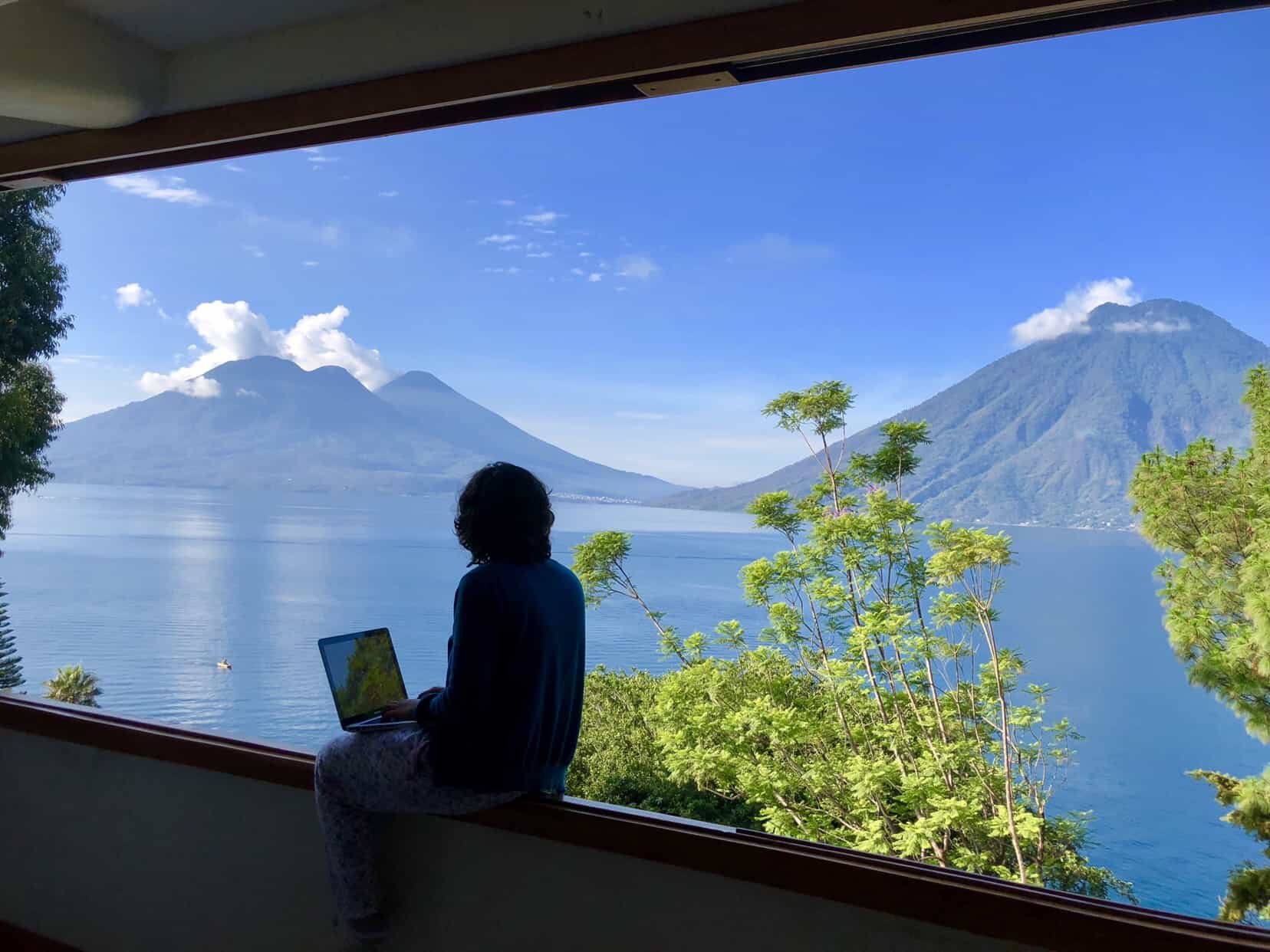
The digital nomad lifestyle has made it possible for many professionals to work from almost anywhere. For parents, this flexibility can create a different way to approach family life, education, and travel. However, becoming a nomadic parent requires more than simply booking a flight and finding remote work.
For a single parent digital nomad, careful planning is especially important. One parent may be responsible for income, childcare, education, travel logistics, and everyday decisions.
The good news is that long-term travel can be structured around your family’s needs. With a realistic budget, suitable destinations, reliable routines, and flexible planning, it is possible to create a lifestyle that supports both work and family.
Understand What the Digital Nomad Lifestyle Involves
Before making the transition, understand what being a digital nomad actually means for your family.
A digital nomad generally works remotely while living temporarily in different locations. This might involve remote employment, freelancing, consulting, running an online business, or providing digital services.
For a single parent, the lifestyle also includes responsibilities that traditional solo travelers may not have to consider.
You need to think about:
- Childcare
- Education
- Healthcare
- Accommodation
- Transportation
- Work schedules
- Social connections
- Immigration requirements
- Family routines
Understanding these responsibilities beforehand can help you create a more sustainable plan.
Start With a Reliable Income
Your income is the foundation of your travel lifestyle.
Before leaving your current home, establish a reliable way to earn remotely. Ideally, your income should be predictable enough to cover regular household expenses and leave room for emergencies.
Potential options include:
- Remote employment
- Freelancing
- Consulting
- Online teaching
- Digital marketing
- Web development
- Graphic design
- Virtual assistance
- Online entrepreneurship
If your income varies from month to month, use a conservative estimate when creating your travel budget.
Avoid basing your plans on your highest-earning months.
Build an Emergency Fund
Unexpected expenses are a normal part of travel.
Your child may need medical treatment, a flight may be canceled, accommodation may become unavailable, or you may experience a temporary reduction in income.
An emergency fund provides a financial buffer for these situations.
Keep these savings separate from your normal travel budget and make sure you can access them when needed.
Create a Family Travel Budget
Budgeting becomes even more important when you are traveling with a child.
Your expenses may include much more than accommodation and flights.
Consider:
- Rent or accommodation
- Groceries
- Restaurants
- Flights
- Local transportation
- Childcare
- Education
- Healthcare
- Travel insurance
- Internet
- Visas
- Activities
- Clothing
- Emergency expenses
Research the cost of living in potential destinations before choosing where to stay.
A location with inexpensive accommodation may have expensive transportation or healthcare, so look at the overall cost rather than focusing on one category.
Choose Destinations Based on Family Needs
A destination that works well for a solo digital nomad may not be ideal for a parent.
When researching locations, consider practical factors such as safety, healthcare, education, transportation, internet connectivity, and access to everyday services.
Look for Reliable Infrastructure
A suitable family destination should make ordinary life reasonably convenient.
Nearby supermarkets, pharmacies, clinics, schools, parks, and public transportation can make a major difference.
Consider the Climate
Weather can affect both your child’s activities and your daily routine.
Consider seasonal temperatures, rainfall, humidity, and extreme weather conditions before committing to a longer stay.
Research Connectivity
If your income depends on remote work, reliable internet should be a priority.
Check accommodation reviews and have a backup mobile data option whenever possible.
Consider Slow Travel
Constantly moving between destinations can make family travel exhausting.
Instead of changing locations every few days, consider staying for several weeks or months.
Slow travel can make it easier to:
- Establish routines
- Find childcare
- Build friendships
- Explore the local area
- Manage work
- Reduce transportation costs
- Give children a sense of stability
It also reduces the amount of time spent packing and organizing transportation.
Plan Your Child’s Education
Education is one of the most important considerations for parents traveling long term.
Depending on your circumstances, your child may attend a local school, international school, online program, or homeschooling arrangement where legally appropriate.
Before traveling, research the educational rules that apply to your situation.
Travel itself can also become part of your child’s learning.
Museums, historical sites, nature experiences, cultural activities, and language exposure can complement structured education.
Build a Practical Childcare Plan
Working remotely while caring for a child can be difficult, particularly when your job involves meetings or deadlines.
Before choosing a destination, research childcare possibilities.
Options may include:
- Local childcare centers
- Schools
- Babysitters
- Family support
- Children’s activity programs
- Short-term childcare services
Always investigate providers carefully and make sure arrangements are appropriate for your child’s age and needs.
Create a Consistent Daily Routine
Children can benefit from predictable routines even when the family is traveling.
You might structure your day around consistent meal, learning, work, and sleep times.
For example:
Morning: Breakfast and education
Late morning: Childcare and focused work
Afternoon: Family activities
Evening: Dinner and relaxation
The exact schedule will depend on your work and your child’s age.
The objective is to create enough consistency without making the routine so rigid that travel becomes stressful.
Find Family-Friendly Accommodation
Accommodation becomes your temporary home, so choose it carefully.
Look for:
- Reliable Wi-Fi
- A kitchen
- Laundry facilities
- Comfortable sleeping arrangements
- Enough space for work and family time
- Safe surroundings
- Nearby shops
- Access to transportation
If you plan to stay for several months, prioritize comfort and practicality over hotel-style luxury.
Separate Work From Family Life
Working remotely can make boundaries difficult.
Set clear working hours and communicate those expectations with your child in an age-appropriate way.
When work is finished, try to put away your devices and focus on family time.
If you have flexibility, schedule demanding work during childcare hours or when your child is occupied with school or independent activities.
Prepare for Healthcare
Healthcare should be part of your planning before you travel.
Research travel or international health insurance and understand what the policy covers.
Keep medical records and important health information securely accessible.
When arriving in a new destination, identify nearby medical facilities and pharmacies.
It is better to know where to go before an emergency occurs.
Organize Your Documents
International travel with children involves important documentation.
Prepare secure copies of:
- Passports
- Birth certificates
- Medical records
- Insurance documents
- School records
- Visa documents
- Emergency contacts
- Relevant parental consent documents
Check expiration dates before departure and keep digital backups in a secure location.
Research Visa Requirements
Visa requirements vary significantly between countries.
Before selecting a destination, research the rules that apply to you and your child.
Depending on the destination, you may need to consider tourist visas, long-stay visas, residence permits, dependent documentation, or digital nomad programs.
Check official government or immigration websites for current requirements before booking long-term accommodation or transportation.
Help Your Child Adjust to Travel
Travel can be exciting, but frequent changes may also be challenging for children.
Talk about upcoming moves before they happen.
Show your child pictures of the destination, explain what the journey will be like, and discuss activities they might enjoy.
Familiar belongings can also provide comfort.
A favorite toy, book, blanket, or family tradition can create continuity between different destinations.
Encourage Social Connections
Children need opportunities to interact with other children.
Look for schools, sports clubs, libraries, community programs, language classes, and family events.
Online communities can also help parents discover local activities.
Staying longer in each destination generally makes it easier to form friendships and become part of the local community.
Make Your Child Part of the Journey
Children can become more engaged when they participate in travel planning.
Depending on their age, allow them to:
- Choose an activity
- Research a destination
- Learn local phrases
- Help plan an outing
- Select a museum
- Keep a travel journal
These activities can turn travel into an educational and collaborative experience.
Prepare for Travel Emergencies
Every traveling family should have a basic emergency plan.
Think about what you would do if:
- Your child became ill
- Your accommodation became unavailable
- A flight was canceled
- Your wallet or phone was lost
- Your internet stopped working
- Your income temporarily changed
Keep emergency savings, backup payment methods, important contacts, document copies, and insurance details readily available.
Take a Trial Trip First
You do not necessarily need to commit to years of travel immediately.
A shorter trip can help you test the lifestyle.
Pay attention to how your child responds to travel, how much work time you need, how much childcare is necessary, and whether your expected budget matches your actual expenses.
Use these lessons to improve your longer-term plan.
Be Flexible With Your Plans
One of the most important skills for a nomadic parent is adaptability.
A destination may not work as expected. Your child may need more stability. Your workload may increase. Costs may change.
Be willing to slow down, change destinations, or temporarily return home if circumstances require it.
Flexibility can make the lifestyle much more manageable.
Make Time for Family Experiences
Digital nomad life should not become an endless cycle of working, packing, and moving.
Schedule time for activities that bring your family together.
Explore local neighborhoods, cook meals, visit parks, read together, attend community events, or simply spend a quiet day at home.
The most valuable part of traveling with your child may be the shared experiences rather than the number of destinations you visit.
Final Thoughts
Becoming a single parent digital nomad requires thoughtful preparation, particularly when it comes to income, childcare, education, healthcare, budgeting, and accommodation.
Start with a stable financial foundation and choose destinations based on your family’s practical needs. Build predictable routines while leaving enough flexibility for travel and unexpected changes.
Most importantly, create a lifestyle that works for both you and your child.
Successful long-term family travel is not about constantly being on the move. It is about finding a sustainable balance between earning an income, supporting your child’s needs, and enjoying the opportunities that living abroad can provide.
