

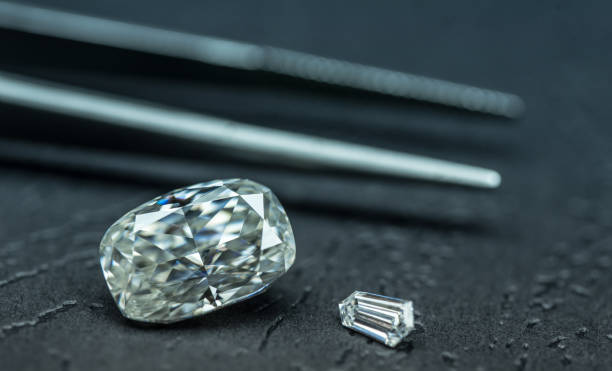
Lab grown diamonds have become an increasingly popular choice for engagement rings, fine jewelry, and investment pieces. They offer exceptional beauty, ethical sourcing, and more affordability compared to natural diamonds. But one of the most common questions buyers ask is: Do lab grown diamonds hold value over time? Let’s explore the key factors that influence diamond value and what you should know before investing.
What Determines the Value of Diamonds?
Whether lab grown or natural, a diamond’s value is influenced by a combination of factors known as the 4 Cs: Cut, Color, Clarity, and Carat weight.
- Cut: A diamond’s sparkle and brilliance are directly tied to its cut quality.
- Color: Diamonds closer to colorless are typically more valuable.
- Clarity: Fewer internal inclusions or blemishes generally increase value.
- Carat Weight: Larger diamonds tend to be more valuable on a per‑carat basis, but quality still matters.
These fundamentals influence value at the time of purchase — and they also play a role in resale potential.
Resale Value: Lab Grown vs. Natural Diamonds
One major difference between lab grown diamonds and natural diamonds is their resale behavior.
Natural Diamonds
Natural diamonds have traditionally held better resale value due to their rarity, historical market demand, and long‑established place in the jewelry market. Buyers often view mined diamonds as durable investments with potential for resale or heirloom value.
Lab Grown Diamonds
Lab grown diamonds are generally more affordable at the time of purchase because they do not involve costly mining processes. However, this affordability often translates to lower resale values. Unlike natural diamonds, lab grown stones are produced in controlled environments, and their supply can be scaled more easily. This can impact how much they hold value over time.
That said, lab grown diamonds still offer tremendous value for what buyers most care about: quality and beauty. For those focused on getting high‑quality stones without paying the higher premiums of natural diamonds, exploring lab grown diamonds wholesale can help you access premium options at competitive prices.
Why Lab Grown Diamonds Might Still Be Worth It
1. Lower Purchase Price
Because lab grown diamonds cost less upfront, you get greater value at purchase — whether a larger carat size or higher quality grade within your budget.
2. Ethical and Sustainable
Lab grown diamonds are conflict‑free and environmentally conscious, which adds non‑monetary value for many buyers today.
3. Quality and Durability
Lab grown diamonds have the same physical and chemical properties as natural diamonds, including a 10 on the Mohs hardness scale. This means they are just as durable and long‑lasting for everyday wear.
4. Growing Market Acceptance
As consumer awareness grows and more buyers prefer ethical jewelry, the demand for lab grown diamonds may continue to rise, potentially strengthening their long‑term market value.
What You Can Expect
While lab grown diamonds typically do not hold resale value as strongly as natural diamonds, they offer significant value at purchase and deliver the same aesthetics and performance. Their worth lies in quality, style, and affordability rather than traditional investment returns.
Conclusion
So, do lab grown diamonds hold value over time? The answer is nuanced. Lab grown diamonds may not maintain high resale prices like natural diamonds, but they provide exceptional value in terms of beauty, ethics, and affordability. For buyers focused on quality and cost‑effectiveness rather than resale profit, lab grown diamonds are a wise and modern choice.
If your priority is premium quality at competitive prices, exploring lab grown diamonds wholesale gives you access to top‑tier stones that fit both style and budget.
