

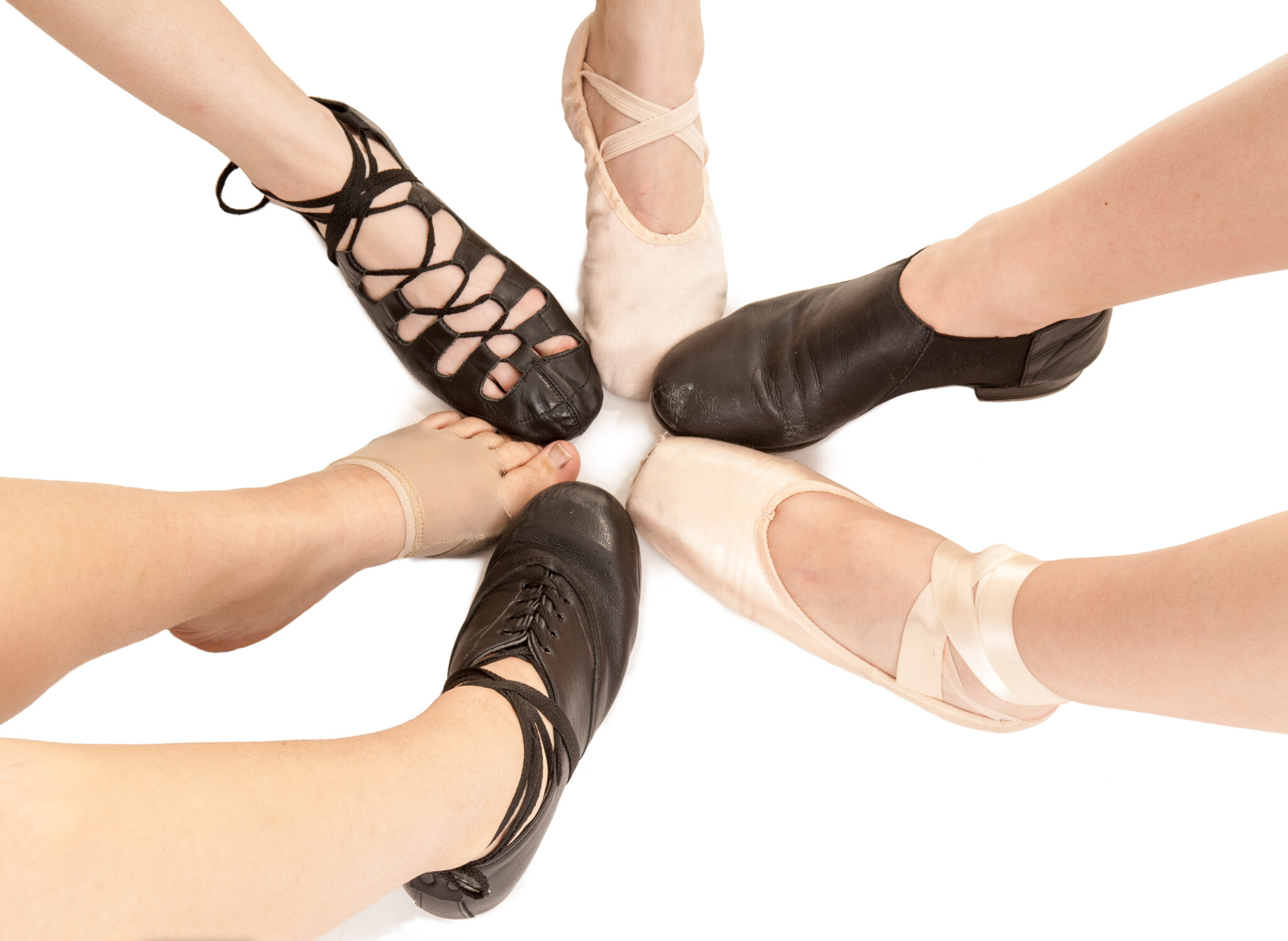
The materials used in dance shoes have a significant impact on comfort, flexibility, durability, and overall performance. Whether you’re practicing daily or preparing for a stage performance, selecting the right material can improve your dancing experience. Different dance styles also require different levels of support, grip, and breathability, making material selection an important part of choosing the right footwear.
Many dancers invest in Custom Dance Shoes because they can select materials that match their specific needs and preferences. From soft leather to elegant satin and modern synthetic fabrics, each material offers unique advantages that contribute to comfort and performance on the dance floor.
Why Material Choice Matters
Dance shoes are designed to move with the feet while providing the right amount of support and flexibility. The material affects how the shoe feels, how long it lasts, and how well it performs during different dance routines.
Choosing the right material can help improve comfort, reduce foot fatigue, and enhance overall movement.
Leather
Leather remains one of the most popular materials for dance shoes because of its durability and flexibility.
Benefits of Leather
- Adapts to the shape of the foot over time
- Provides excellent durability
- Offers a comfortable and secure fit
- Allows natural movement during dancing
Leather is commonly used in ballroom, Latin, jazz, and practice shoes because it balances comfort with long-lasting performance.
Satin
Satin is widely chosen for formal dance performances, especially in ballroom competitions.
Advantages of Satin
- Elegant and professional appearance
- Lightweight construction
- Smooth finish that complements performance attire
- Available in various colors
Although satin offers excellent visual appeal, it generally requires more careful maintenance than leather.
Synthetic Materials
Modern synthetic materials have become increasingly popular due to their affordability and versatility.
Benefits of Synthetic Fabrics
- Lightweight design
- Easy to clean
- Resistant to everyday wear
- Often more affordable than genuine leather
High-quality synthetic shoes can provide reliable comfort while maintaining an attractive appearance.
Mesh Fabric
Some dance shoes include breathable mesh panels to improve airflow.
Why Dancers Choose Mesh
- Better ventilation during long rehearsals
- Helps reduce heat buildup
- Lightweight and flexible
- Improves overall comfort
Mesh is often combined with leather or synthetic materials rather than being used alone.
Suede Soles
While not commonly used for the upper part of the shoe, suede is one of the most important materials for dance shoe soles.
Benefits of Suede Soles
- Provides controlled grip on dance floors
- Allows smooth turns and spins
- Reduces excessive slipping
- Suitable for ballroom and Latin dancing
Proper care is important to maintain the performance of suede soles.
Microfiber
Microfiber has become a popular material in premium dance footwear because of its combination of comfort and durability.
Its advantages include:
- Soft texture
- Lightweight feel
- Good flexibility
- Moisture resistance
- Easy maintenance
Microfiber is often used in both the interior lining and exterior construction of dance shoes.
How to Choose the Right Material
The best material depends on several factors, including:
- Your preferred dance style
- Practice frequency
- Indoor or competition use
- Desired comfort level
- Maintenance preferences
Many dancers prefer a combination of materials to balance durability, flexibility, and appearance.
Caring for Different Materials
Proper maintenance helps extend the life of dance shoes regardless of the material.
Here are a few general care tips:
- Clean leather with appropriate conditioners.
- Protect satin from moisture and stains.
- Wipe synthetic materials with a damp cloth.
- Brush suede soles regularly using a suede brush.
- Store shoes in a cool, dry place after use.
Regular care helps preserve both appearance and performance.
Conclusion
The material used in dance shoes plays an essential role in determining comfort, flexibility, durability, and overall performance. Leather offers long-lasting support, satin provides elegance, synthetic materials deliver practicality, mesh improves breathability, suede enhances floor control, and microfiber combines softness with durability. Understanding the strengths of each material allows dancers to choose footwear that matches their individual needs and helps them perform with greater comfort and confidence.
