

Soil health directly influences crop productivity, nutrient availability, and overall farm efficiency. Among the many soil characteristics that farmers and agronomists monitor, pH is one of the most critical factors. Soil pH affects how easily plants can absorb nutrients, how microorganisms function, and how crops respond to fertilizers and amendments. As agriculture becomes more technology-driven, precise measurement tools are increasingly used to guide soil management practices and improve outcomes.
Accurate pH measurement helps farmers determine whether their soil is acidic, neutral, or alkaline. Each crop type has preferred pH levels for optimal growth. Even slight variations can affect root development, nutrient uptake, and resistance to diseases. For this reason, modern agricultural systems require reliable devices that can monitor soil conditions with consistency and accuracy. These tools support evidence-based decisions and reduce the guesswork traditionally associated with soil testing.
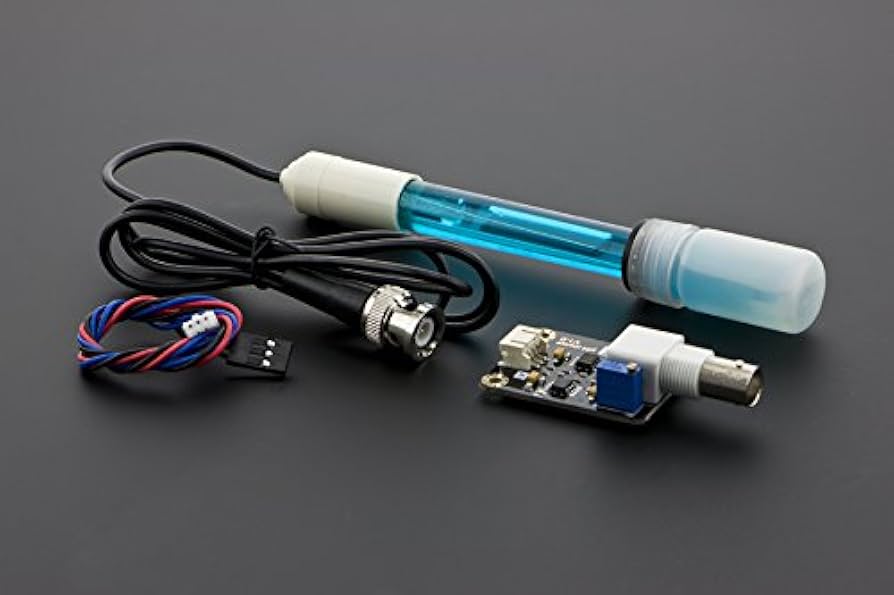
A widely adopted tool for this purpose is the pH sensor, which provides precise readings of soil acidity or alkalinity. Integrating such equipment into agricultural analysis has transformed how farmers evaluate soil performance and manage their fields.
Importance of Soil pH in Crop Production
Soil pH plays a central role in determining how nutrients behave in the soil. Elements such as nitrogen, phosphorus, potassium, and trace minerals are more or less available depending on the soil’s acidity level. For example, highly acidic soils may cause aluminum toxicity, which damages roots, while alkaline soils can limit the availability of essential micronutrients. Maintaining the correct pH range ensures crops receive the nutrients they need to thrive.
Additionally, soil pH influences microbial communities that support organic matter breakdown, nitrogen fixation, and soil structure improvement. A balanced pH creates an environment where beneficial microbes can flourish, contributing to healthier and more productive soil.
How pH Sensors Improve Soil Analysis
Traditional soil testing often involves collecting samples, sending them to a laboratory, and waiting for results. This method, while accurate, takes time and may not reflect real-time conditions. pH sensors provide immediate readings, allowing farmers to respond quickly to changes in soil chemistry.
These devices are designed to measure hydrogen ion activity in soil-water mixtures or directly in semi-solid samples. Their sensitivity and reliability make them ideal for on-site evaluations. Whether used hand-held or integrated into automated monitoring systems, sensors help identify areas requiring adjustment, enabling targeted soil management.
Enhancing Precision Agriculture Practices
Precision agriculture relies on accurate data to optimize crop performance and minimize resource waste. pH sensors contribute significantly to this approach by supplying detailed information about soil variability across a field. Farmers can use sensor data to create pH maps that highlight specific zones needing lime, sulfur, or other amendments.
This allows for variable-rate application, reducing costs and preventing unnecessary chemical use. The result is improved soil health, better crop uniformity, and increased overall efficiency. Additionally, frequent pH monitoring helps ensure long-term soil balance, supporting sustainable farming practices.
Applications in Different Agricultural Environments
pH sensors are useful across a wide range of farming systems, from commercial agriculture to small-scale gardens. In greenhouse operations, maintaining precise pH levels is essential for controlling nutrient solutions in hydroponic setups. Sensors allow growers to adjust nutrient mixes quickly, ensuring plants receive optimal nutrition.
In open-field farming, pH sensors aid in monitoring soil amendments and tracking changes throughout the growing season. Livestock producers also use them to maintain safe and healthy forage conditions. Even in orchard and vineyard management, pH measurement plays a key role in optimizing soil health for perennial crops.
Advantages of Using pH Sensors in Agriculture
The benefits of adopting pH sensors in soil analysis include high accuracy, time savings, and improved decision-making. Real-time data improves responsiveness, while the ability to perform multiple readings across a field provides a more complete understanding of soil conditions. Sensors also reduce the dependence on laboratory testing for routine monitoring, lowering operational costs.
Moreover, these devices are durable, portable, and compatible with modern data systems. Their integration into digital platforms allows farmers to store, compare, and analyze soil data over time, supporting long-term soil improvement strategies.
Conclusion
The use of pH sensors has significantly enhanced agricultural soil analysis by providing farmers with fast, accurate, and actionable information. By understanding soil acidity and making informed adjustments, growers can boost crop yields, improve soil fertility, and promote sustainable farming practices. As agriculture continues to embrace technology, pH sensors will remain essential tools in managing healthy and productive soils.
