

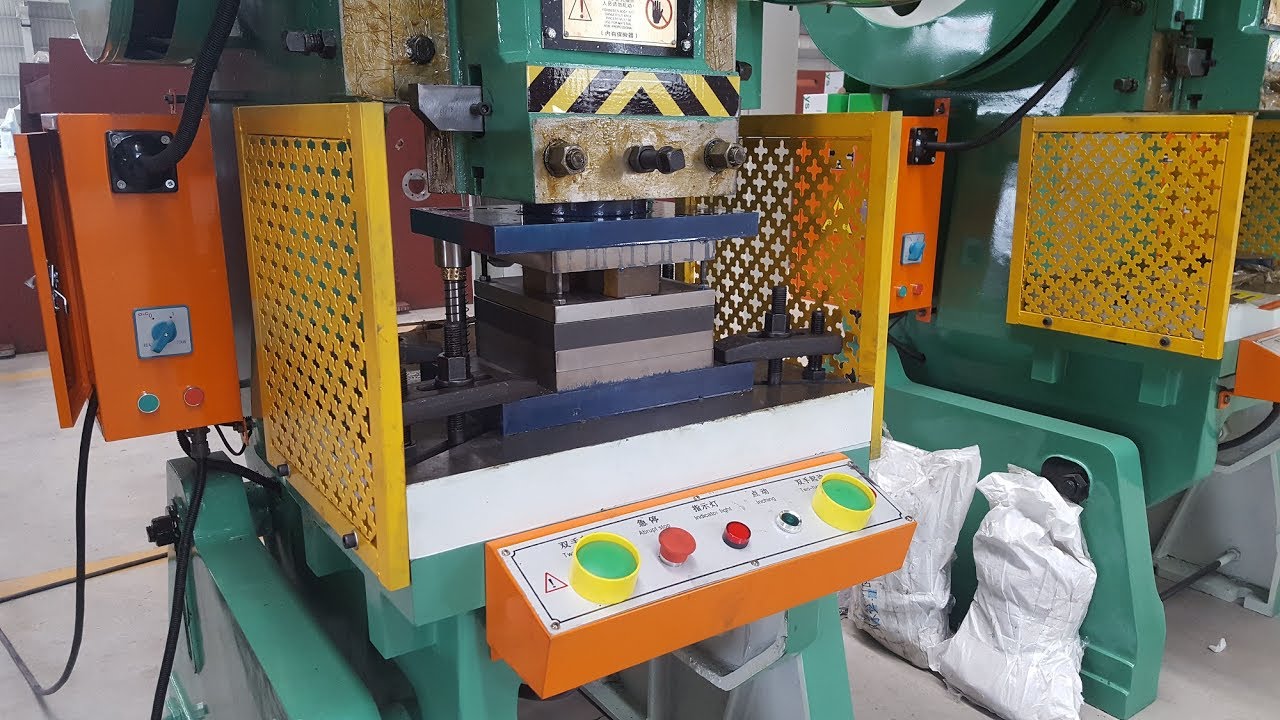
Choosing the right press machine is a critical decision for any manufacturing operation. Press machines are used for a variety of metalworking processes, including stamping, punching, bending, and forming, and selecting the correct machine can directly impact productivity, product quality, and operational safety. The right choice depends on several factors, including production volume, material type, operational requirements, and available budget. Understanding these factors ensures that businesses invest in equipment that meets both current and future manufacturing needs.
A reputable Press Machine provider can guide businesses in selecting the appropriate machine by analyzing production requirements and operational constraints. The selection process begins with identifying the type of work that the machine will perform, the materials to be processed, and the required precision. By evaluating these factors carefully, manufacturers can ensure that the chosen machine offers optimal performance, efficiency, and longevity, while also minimizing maintenance costs and safety risks.
Assessing Production Requirements
The first step in selecting a press machine is to assess production requirements. High-volume operations may benefit from mechanical or servo-driven presses that provide fast cycle times and consistent output. Conversely, smaller or custom production runs may be better suited for hydraulic or pneumatic presses, which offer greater flexibility and adjustable force. Understanding the expected production volume helps in determining the speed, durability, and automation capabilities required in the machine.
Additionally, consider the complexity of the operations. Progressive stamping, deep drawing, and precision forming may require specialized machines or advanced tooling. Machines with programmable control systems and servo technology allow for accurate operation and quick adjustments for different part geometries, making them ideal for complex or varied production needs.
Determining Material Type and Thickness
Material type and thickness play a crucial role in press machine selection. Different metals, such as steel, aluminum, copper, or stainless steel, have varying strengths and ductility, which influence the required machine force and design. Thicker or harder materials generally require hydraulic or mechanical presses with higher tonnage capacities, while lighter materials can be processed efficiently with pneumatic or smaller mechanical presses.
It is also important to consider material properties that affect forming, such as elasticity and work-hardening characteristics. Machines with adjustable force and stroke control are preferable for materials that are prone to deformation or cracking, ensuring consistent quality while minimizing scrap and tool wear.
Evaluating Machine Capacity and Size
Tonnage capacity and bed size are critical specifications when choosing a press machine. Tonnage capacity determines the maximum force the machine can apply, while bed size dictates the largest workpiece that can be accommodated. Selecting a machine with insufficient tonnage or workspace can result in suboptimal performance, damaged tools, or increased production time. It is advisable to choose a machine with a slightly higher capacity than the maximum anticipated workload to allow for future production requirements or unexpected material variations.
Considering Automation and Control Features
Automation and control systems significantly impact machine efficiency and flexibility. Modern press machines often feature programmable logic controllers (PLCs), servo motors, and automated material handling systems. These features improve cycle times, ensure consistent precision, and reduce operator fatigue. Machines with advanced controls are particularly beneficial for high-volume or high-precision operations, as they allow operators to monitor performance, adjust parameters, and reduce errors.
Safety and Compliance
Safety is a non-negotiable factor when selecting a press machine. Machines must comply with international safety standards, including ISO 12100, CE marking, and ANSI B11. Essential safety features include emergency stops, interlocks, light curtains, two-hand operation systems, and pressure-sensitive mats. Ensuring that the machine has robust safety measures protects operators and reduces the risk of accidents in the workplace.
Maintenance and Support
Finally, consider the availability of maintenance services, spare parts, and technical support. Regular maintenance and timely replacement of worn components are crucial for machine longevity and consistent performance. A supplier with strong after-sales support can minimize downtime, provide training for operators, and ensure that the machine continues to operate efficiently over its service life.
Conclusion
Selecting the right press machine requires careful consideration of production requirements, material type, machine capacity, automation features, safety, and maintenance support. By evaluating these factors, manufacturers can choose a machine that enhances productivity, maintains consistent quality, and ensures operator safety. A trusted Press Machine provider can guide businesses through the selection process, offering expert recommendations and customized solutions based on specific operational needs. Investing in the right machine not only improves immediate production outcomes but also supports long-term operational efficiency and growth, making it a vital decision for any manufacturing operation.
