

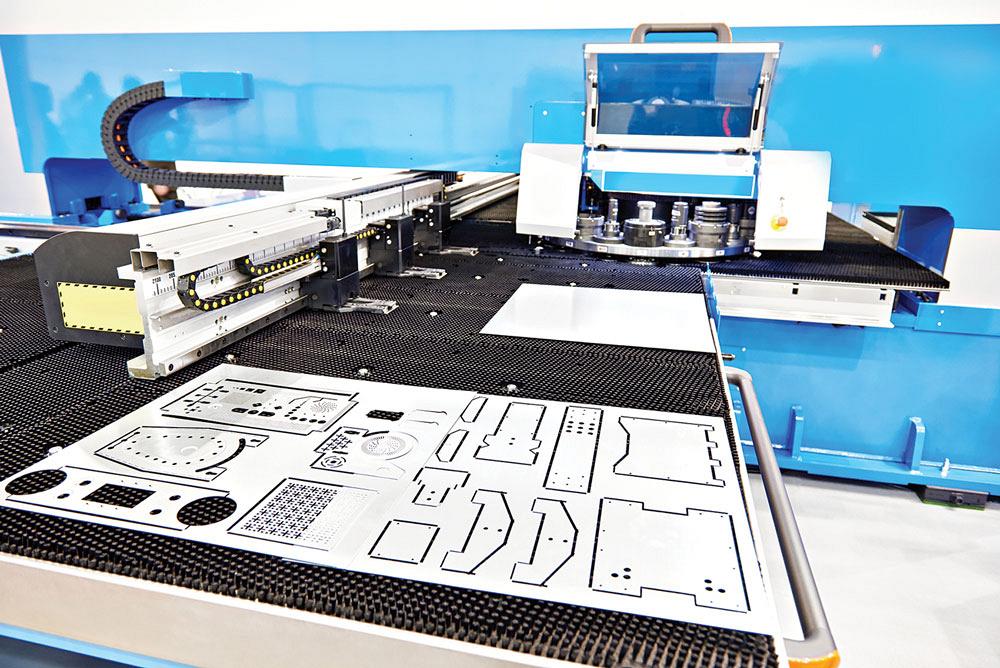
Operating a power punch machine is a critical responsibility in metal fabrication and industrial manufacturing. These machines are designed to punch, cut, and shape metal sheets with high precision, but they also present significant safety risks if not used correctly. Proper training is essential for operators to handle the equipment efficiently, prevent accidents, and ensure consistent production quality. Understanding the training requirements for safe operation is crucial for workshops aiming to maintain a secure and productive work environment.
Understanding the Power Punch Machine
Before operators begin working with a power punch machine, they must first understand its components, functions, and operating principles. A power punch machine utilizes mechanical, hydraulic, or servo-driven systems to exert controlled force on a punch, which then shapes or cuts the metal against a die. Modern machines often feature CNC controls, automated feeders, and advanced safety systems, which enhance both precision and efficiency. Familiarity with these features is necessary to operate the machine safely and effectively. Leading Power Punch Machine manufacturers provide detailed manuals and training guides that explain each component and its role in the overall operation.
Basic Training Requirements
Initial training for operators focuses on fundamental skills and safety practices. Key areas covered in basic training include:
- Understanding Controls: Operators must learn the location and function of switches, levers, emergency stop buttons, and CNC interfaces. Knowing how to properly start, stop, and adjust the machine is critical for safe operation.
- Safety Protocols: Training emphasizes the use of personal protective equipment (PPE), such as gloves, safety glasses, and steel-toed shoes. Operators also learn to follow proper safety procedures when loading materials, changing dies, and maintaining the machine.
- Operational Procedures: Step-by-step guidance on positioning materials, aligning punches and dies, and performing punching sequences ensures consistent output while minimizing risk.
- Routine Maintenance: Basic maintenance training, including lubrication, cleaning, and inspection for worn components, is essential to prevent malfunctions and accidents.
Completing these basic modules provides operators with a strong foundation for safe and productive machine use.
Advanced Training Modules
For workshops that operate high-volume or CNC-enabled power punch machines, advanced training is essential. This training focuses on:
- CNC Programming: Operators learn to program sequences, control stroke length, and adjust punching force for different materials. Proper CNC programming ensures both efficiency and safety.
- Automation Integration: Training covers the use of automated feeders, conveyors, and robotic material handling systems to reduce manual intervention.
- Troubleshooting: Operators are trained to identify common issues such as misaligned punches, die wear, or hydraulic inefficiencies. Effective troubleshooting prevents accidents and minimizes downtime.
- Energy and Efficiency Practices: Advanced training teaches operators how to optimize machine performance while reducing energy consumption and minimizing unnecessary wear.
Advanced training equips operators to handle complex production requirements safely and efficiently.
Hands-On Practice
Practical experience is critical to mastering safe power punch machine operation. Hands-on training allows operators to:
- Load and secure metal sheets correctly
- Align punches and dies with precision
- Execute punching cycles under supervision
- Respond to emergency stops and unexpected events
Supervised practice helps operators develop the confidence and muscle memory needed for accurate and safe operation. It also reinforces theoretical knowledge gained during classroom or online training.
Certification and Compliance
Many industrial facilities and regulatory bodies require operators to obtain certification before using a power punch machine. Certification programs confirm that operators have completed training, understand safety protocols, and can handle the equipment competently. Certification also ensures compliance with workplace safety standards and demonstrates a commitment to employee safety. Regular recertification or refresher courses can further reinforce safe practices and keep operators updated on technological advancements.
Ongoing Training and Safety Culture
Training should not end once operators are certified. Workshops should implement continuous training programs, including refresher courses, safety drills, and updates on new machine features. Maintaining a culture of safety encourages operators to remain vigilant, follow best practices, and report potential hazards promptly. Regular feedback and evaluation of operator performance help identify knowledge gaps and provide opportunities for improvement.
Conclusion
Proper training is essential for operating a power punch machine safely. Comprehensive training includes understanding machine components, mastering basic and advanced operations, hands-on practice, certification, and ongoing refresher programs. By ensuring that operators are well-trained and informed, workshops can reduce the risk of accidents, maintain consistent production quality, and extend the lifespan of equipment. Investing in thorough training and working with reliable Power Punch Machine manufacturers ensures a safer, more efficient, and productive work environment in metal fabrication facilities.
