

Polyvinyl alcohol (PVA) films are widely recognized for their water-soluble, biodegradable, and versatile properties, making them essential in industries such as packaging, detergents, agriculture, and pharmaceuticals. As their use expands, maintaining high-quality standards and adhering to regulatory compliance has become a critical focus for PVA film manufacturers. Ensuring product reliability, safety, and environmental responsibility is essential not only for operational efficiency but also for meeting consumer and industry expectations.
Leading PVA Film Manufacturers prioritize strict quality control and regulatory compliance to deliver consistent and safe products across various applications. For example, PVA Film Manufacturers provide films with customizable thickness, dissolution rates, and mechanical properties while adhering to international standards. Compliance with these standards ensures that products are safe for consumers, suitable for industrial use, and environmentally responsible. High-quality PVA films also help manufacturers build credibility and maintain long-term relationships with clients in highly regulated industries.
Importance of Quality Standards
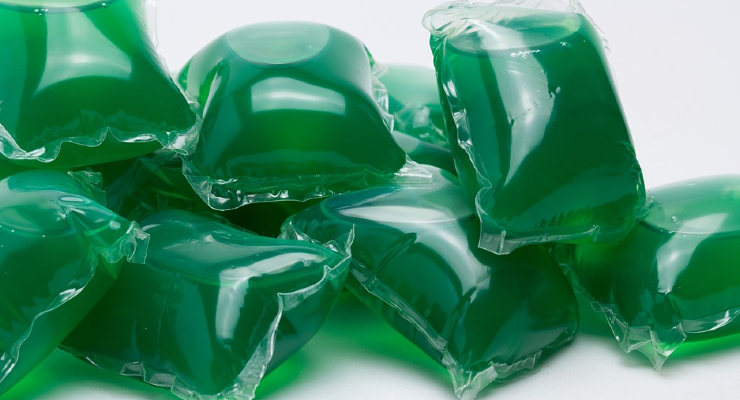
Quality standards are fundamental in PVA film manufacturing because the films are often used in sensitive applications such as food packaging, pharmaceuticals, and single-dose detergent pods. Films must exhibit consistent solubility, uniform thickness, and sufficient tensile strength to perform effectively. Any variation in these properties can lead to product failures, operational inefficiencies, or safety issues. Adhering to quality standards ensures that each batch meets specific requirements, reducing waste, minimizing production errors, and safeguarding the end-user experience.
Regulatory Compliance Requirements
Regulatory compliance is a major component of the PVA film industry, particularly for applications involving human consumption or environmental impact. Manufacturers must ensure that their films meet requirements such as FDA approval for food-contact materials, REACH compliance in Europe, and ISO certifications for quality management. In addition, environmental regulations may mandate the use of biodegradable and non-toxic materials to reduce ecological impact. Compliance with these regulations helps manufacturers avoid legal issues, recalls, or fines while demonstrating commitment to sustainability and public safety.
Certification and Testing Procedures
Professional PVA film manufacturers invest in rigorous testing and certification procedures to ensure consistent quality. Testing often includes analysis of solubility, tensile strength, thickness uniformity, moisture resistance, and chemical stability. Regular audits and inspections are performed to verify adherence to internal and external standards. Certifications such as ISO 9001 for quality management or ISO 14001 for environmental management provide external validation of a manufacturer’s commitment to quality and compliance. These measures enhance trust with customers and regulatory authorities alike.
Customization Within Compliance
PVA film manufacturers also focus on delivering customized solutions that meet both functional requirements and regulatory standards. Films can be tailored to specific thicknesses, dissolution rates, or mechanical properties without compromising compliance. For instance, agricultural coatings may require slower dissolution for nutrient release, while detergent pods need rapid solubility for consumer convenience. Maintaining compliance while offering customized products ensures that manufacturers can serve diverse industries effectively and responsibly.
Sustainable Practices and Environmental Compliance
Sustainability is increasingly a key consideration in quality standards for PVA films. Manufacturers are adopting eco-friendly production methods, using biodegradable raw materials, and ensuring that films dissolve completely without leaving harmful residues. Compliance with environmental standards demonstrates corporate responsibility and aligns with global trends toward reducing plastic waste. Suppliers that prioritize sustainability not only meet regulatory requirements but also gain competitive advantages by appealing to environmentally conscious customers.
Supplier Audits and Traceability
Maintaining high quality standards requires traceability and supplier oversight. Reputable PVA film manufacturers implement strict supply chain management practices, including supplier audits, material verification, and batch traceability. These practices ensure that raw materials meet required specifications and that the final product remains consistent and reliable. Traceability also facilitates problem resolution and helps manufacturers respond quickly to any quality or compliance concerns.
Long-Term Benefits of Compliance
Adhering to quality standards and regulatory compliance provides long-term benefits for PVA film manufacturers and their clients. Consistent quality improves operational efficiency, reduces waste, and minimizes the risk of product recalls. Regulatory adherence ensures safe and reliable products, strengthens brand reputation, and builds consumer trust. Moreover, manufacturers that invest in quality and compliance are better positioned to enter new markets, expand product applications, and maintain competitiveness in an increasingly regulated global environment.
In conclusion, quality standards and compliance are critical for PVA film manufacturers to ensure product reliability, safety, and environmental responsibility. Through rigorous testing, certification, customization, and sustainable practices, manufacturers can meet the stringent requirements of diverse industries while maintaining consistent product performance. Prioritizing quality and compliance not only enhances operational efficiency and customer satisfaction but also strengthens long-term business growth and market credibility.
