

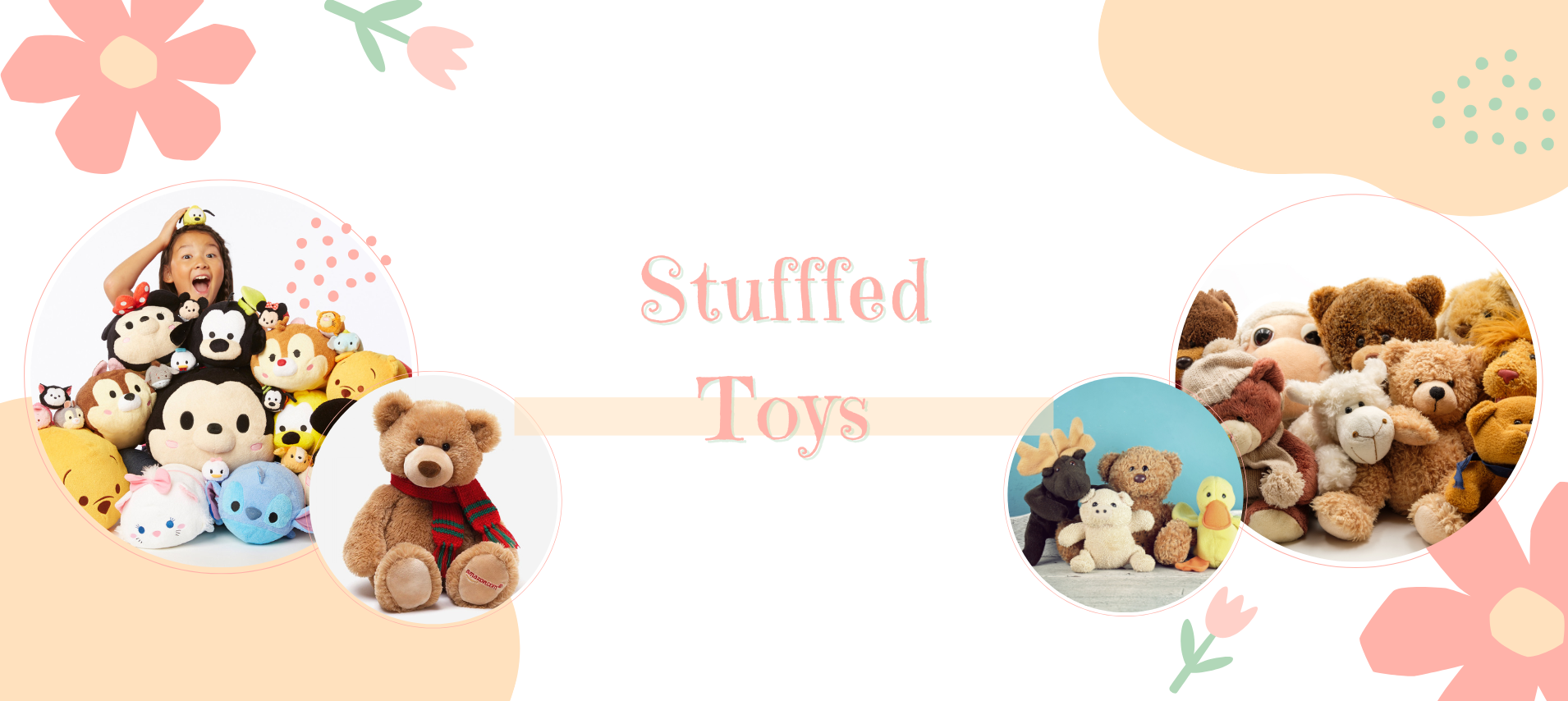
For brands and event organizers looking to create high-quality custom plush toys, understanding production timelines is critical. Timely production ensures that products are ready for launches, promotional campaigns, or special events. Working closely with a reliable custom plush manufacturer helps streamline the process, reduce delays, and ensure that deadlines are met without compromising quality or safety.
Initial Consultation and Design Approval
The production timeline begins with the initial consultation between the brand and the manufacturer. During this phase, the manufacturer reviews design concepts, discusses material options, and assesses the complexity of the plush toy. This step also includes establishing budget expectations and clarifying any customization requirements.
Partnering with an experienced custom plush manufacturer ensures that the design is feasible and that potential production challenges are addressed early. Manufacturers provide guidance on size, materials, embroidery, accessories, and other elements that may affect production time. Clear communication during this stage lays the foundation for a smooth production process and accurate timeline estimation.
Once the design concept is approved, the manufacturer may create a prototype or sample. The prototype allows the client to evaluate material quality, stitching, and overall design. Any necessary adjustments are made at this stage before committing to full-scale production. Prototyping is an essential step to minimize revisions during mass production, which can cause delays if overlooked.
Material Sourcing and Preparation
After design approval, the next stage involves sourcing and preparing materials. High-quality fabrics, fillings, threads, and accessories must be selected and tested for safety compliance. The time required for material sourcing can vary depending on availability, shipping times from suppliers, and the complexity of the materials chosen.
Custom plush manufacturers often have established relationships with trusted suppliers, which helps reduce lead times for materials. Efficient sourcing ensures that production can begin promptly and reduces the likelihood of delays caused by material shortages. Some manufacturers also maintain stock of common fabrics and fillings to accelerate the production process.
Production and Assembly
The production phase is where the plush toy begins to take shape. Skilled artisans cut, sew, and assemble the toy according to the approved prototype. This includes stitching panels together, inserting stuffing, attaching accessories, and performing any additional customization, such as embroidery or sound modules.
The complexity of the design and the size of the order significantly influence production timelines. Larger orders or intricate designs with multiple features naturally require more time. Manufacturers with advanced machinery and experienced teams can handle complex production efficiently while maintaining consistent quality across all units.
Quality Control and Safety Checks
Quality control is integrated throughout the production process to ensure that the final product meets design specifications and safety standards. This includes inspecting stitching, stuffing, accessory attachment, and overall durability. Toys intended for children must also comply with safety regulations such as ASTM, EN71, and CPSIA.
Batch testing and final inspections are critical steps that help detect and address defects before products leave the factory. Thorough quality control may slightly extend production timelines, but it ensures that the finished plush toys are safe, reliable, and consistent in appearance.
Packaging and Shipping
Once production and quality checks are complete, the manufacturer prepares the plush toys for packaging and shipment. Packaging can be customized to include branding, event information, or promotional messaging. Shipping schedules are coordinated to ensure timely delivery, especially when products are needed for specific events or campaigns.
Manufacturers with logistics expertise can handle complex shipping requirements, such as multiple delivery locations or time-sensitive shipments. Clear communication about deadlines and delivery expectations is crucial at this stage to prevent any disruption to the client’s marketing or event plans.
Factors That Affect Production Timelines
Several factors can influence the overall production timeline when working with a custom plush manufacturer. These include:
- Order volume: Larger quantities naturally require more time to produce.
- Design complexity: Detailed features, embroidery, or special accessories increase production time.
- Material availability: Rare or specialized materials may take longer to source.
- Customization requirements: Prototyping, adjustments, and special requests can extend the timeline.
- Quality control processes: Thorough testing and inspections are essential but may add time to the schedule.
Conclusion
Understanding production timelines with custom plush manufacturers is essential for brands and event organizers who want to deliver high-quality products on schedule. From initial consultation and design approval to material sourcing, production, quality control, and shipping, each stage plays a critical role in ensuring timely delivery.
Working with an experienced and reliable custom plush manufacturer allows brands to anticipate lead times, plan for contingencies, and maintain product quality. Clear communication, early prototyping, and careful planning help ensure that custom plush toys meet both creative and operational goals, making the production process efficient and predictable.
