

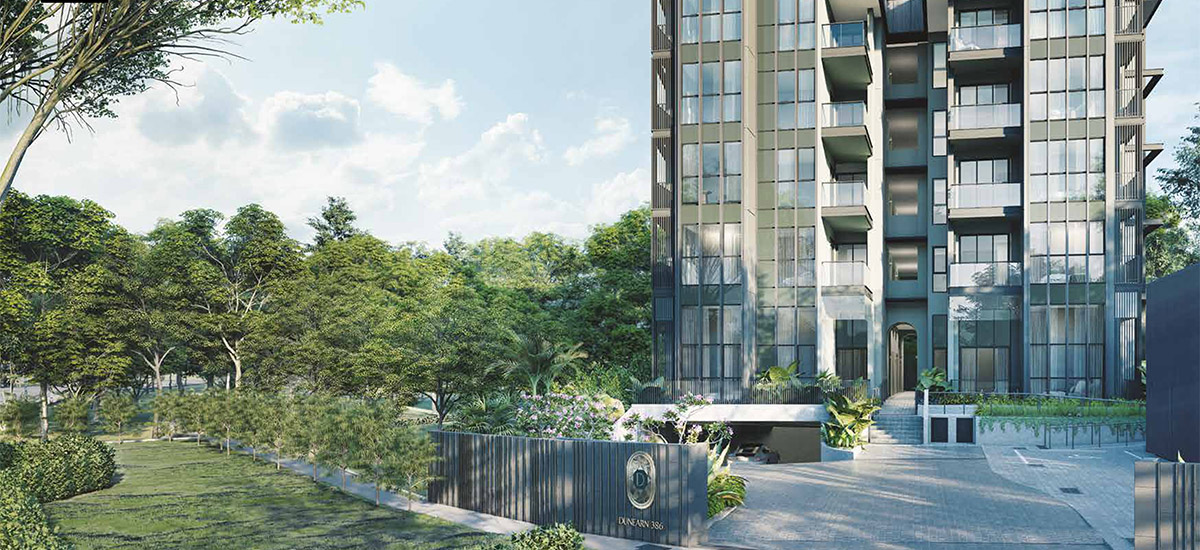
Effective lighting and thoughtful space planning are essential elements in modern residential design. They influence how a space feels, functions, and is experienced by its occupants. In high-end property developments, these factors play a key role in enhancing comfort, aesthetics, and practicality. The Dunearn House Showflat in Singapore’s Bukit Timah district serves as an excellent example of how strategic lighting and space planning can elevate the living experience and help potential buyers visualize the possibilities of a residential unit.
The Dunearn House Showflat demonstrates how well-executed lighting and spatial design can transform a unit into a functional, welcoming, and visually appealing home. By showcasing open-concept layouts, carefully planned furniture arrangements, and layered lighting techniques, the showflat allows prospective buyers to understand the potential of the residential units. Visitors gain insight into how natural light interacts with interior spaces and how artificial lighting enhances both ambiance and functionality.
Importance of Lighting in Residential Spaces
Lighting serves both functional and aesthetic purposes in a home. Proper illumination ensures that tasks such as cooking, reading, and working can be carried out efficiently, while also influencing mood, perception of space, and the overall visual appeal of interiors. In the Dunearn House Showflat, natural lighting is maximized through large windows and glass doors that allow sunlight to penetrate deep into living areas. This not only reduces reliance on artificial lighting during the day but also creates a bright, open, and inviting atmosphere.
Artificial lighting is layered to provide multiple levels of illumination, including ambient lighting for general brightness, task lighting for specific activities, and accent lighting to highlight design features or decor. The strategic use of recessed ceiling lights, pendant fixtures, and wall-mounted lights in the showflat demonstrates how lighting can define different areas within a space while enhancing the aesthetic appeal.
Space Planning and Layout Efficiency
Space planning is a critical component of residential design, as it determines how effectively a unit can accommodate daily activities, furniture, and storage. The Dunearn House Showflat illustrates the principles of efficient layout planning, using open-concept designs that integrate living, dining, and kitchen areas to create a sense of openness and connectivity.
Each room in the showflat is positioned to optimize natural light, ventilation, and privacy. Bedrooms are located away from high-traffic areas, ensuring quiet and restful spaces, while kitchens are designed with functional workflows and sufficient storage. Thoughtful space planning also allows for flexible usage, enabling residents to customize rooms for work, leisure, or additional storage without feeling cramped.
Furniture Placement and Flow
In addition to lighting and layout, furniture placement plays a key role in space planning. The Dunearn House Showflat demonstrates how strategic positioning of furniture can enhance movement, accessibility, and comfort. Open pathways, defined seating areas, and multifunctional furniture contribute to an organized and harmonious environment.
By arranging furniture to complement both the layout and lighting design, the showflat helps visitors visualize how their own belongings could fit into the space. This approach emphasizes functionality while maintaining aesthetic balance and maximizing the usability of each square foot.
Enhancing Ambiance and Comfort
Layered lighting and carefully planned spaces contribute to the overall ambiance and comfort of a residential unit. Warm tones, indirect lighting, and well-placed accent lights create cozy areas, while brighter task lighting ensures practicality for daily routines. In the Dunearn House Showflat, the combination of natural sunlight, artificial lighting, and spatial flow produces a welcoming and balanced environment that demonstrates the potential of the actual units.
This approach also allows potential buyers to appreciate the relationship between light and space, understanding how different times of day or weather conditions might affect the living experience. By presenting a realistic model, the showflat helps buyers make informed decisions about unit orientation, furniture placement, and interior finishes.
Maximizing Functionality in Small and Large Units
Showflats often include a variety of unit sizes to demonstrate how lighting and space planning principles can be applied across different layouts. In smaller units, careful lighting and open-concept design help create a sense of spaciousness, while in larger units, layered lighting and room zoning ensure that each area remains functional and inviting.
The Dunearn House Showflat highlights these strategies, showing how natural and artificial lighting, combined with efficient space planning, can optimize both small and large living areas. This flexibility caters to diverse buyer needs, whether they are singles, couples, or families seeking larger accommodations.
Conclusion
Lighting and space planning are fundamental to creating a comfortable, functional, and visually appealing residential environment. The Dunearn House Showflat effectively demonstrates how these design principles can enhance daily living, from maximizing natural light and layered artificial lighting to optimizing layouts and furniture placement.
By providing a tangible, immersive experience, the showflat allows prospective buyers to understand the potential of each unit, helping them make informed decisions. Proper lighting and thoughtful space planning not only improve aesthetics and usability but also contribute to long-term satisfaction, making these elements essential considerations in modern condominium living.
