

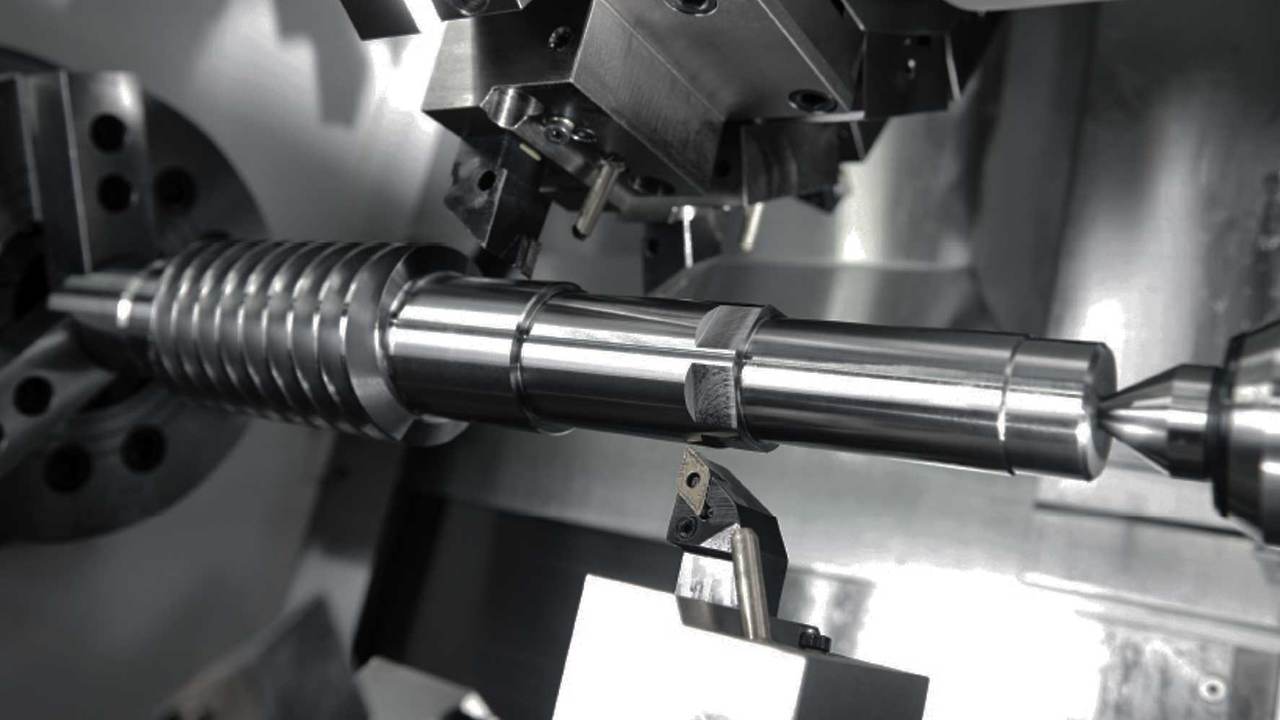
CNC lathe machines are at the heart of modern precision manufacturing, providing automated, accurate, and efficient turning operations for a variety of industries. The production of these machines requires highly specialized equipment, advanced technologies, and skilled technicians working in a well-organized facility. Understanding the key machines and technologies used in a CNC lathe factory sheds light on the complexity, innovation, and precision involved in producing reliable CNC lathes.
A modern CNC Lathe Factory relies on a combination of mechanical, electronic, and software-driven technologies to manufacture high-quality machines. From machining critical components to assembling and testing the final product, each stage of production integrates advanced equipment to ensure accuracy, durability, and performance. The integration of these technologies enables manufacturers to meet the growing demand for high-precision and high-efficiency CNC lathe machines across global industries.
Precision Machining Equipment
The backbone of a CNC lathe factory is its precision machining equipment. This includes high-accuracy milling machines, surface grinders, lathes, and cutting tools that shape raw materials into critical components. These machines are capable of producing complex geometries with tight tolerances, ensuring that components such as machine beds, spindle assemblies, and guideways meet strict specifications.
Advanced CNC machining centers are often used to produce multiple parts simultaneously, increasing efficiency and reducing production time. High-speed spindles and precision tool holders improve cutting accuracy and surface finish quality, while automated material handling systems reduce human error and optimize workflow.
Automation and Robotic Systems
Modern CNC lathe factories heavily rely on automation to streamline production. Robotic arms, automated guided vehicles (AGVs), and conveyors transport components between different production stages, reducing manual handling and minimizing the risk of damage. Automation in assembly ensures that critical alignments, torque settings, and part placements are consistent across all machines.
Robotic systems also play a crucial role in repetitive tasks such as loading and unloading materials, tool changes, and quality inspections. By integrating automation, CNC lathe factories can maintain high throughput while improving accuracy and reducing labor-intensive processes.
Advanced Measurement and Inspection Tools
Quality control is a critical component of CNC lathe production, and advanced measurement technologies are essential to ensure precision. Coordinate Measuring Machines (CMMs), laser alignment systems, and high-resolution sensors are used to verify component dimensions, surface flatness, and alignment.
These tools provide real-time feedback during both component manufacturing and final assembly. By identifying deviations early, manufacturers can make adjustments before the machine reaches the final stage, ensuring that every CNC lathe meets stringent performance and accuracy standards.
Electronic and Control Systems
A CNC lathe factory also focuses on integrating advanced electronic and control systems into the machines. CNC controllers, servo drives, sensors, and wiring harnesses form the backbone of machine automation and precision control. These components are carefully installed and calibrated to ensure smooth communication between the mechanical and electronic parts of the machine.
Control software plays a significant role in modern CNC lathes, allowing operators to program complex operations, simulate tool paths, and optimize machining cycles. Factories often use testing stations to validate software functionality and ensure that each machine responds accurately to programmed instructions.
Testing and Validation Technologies
Testing is an essential process in any CNC lathe factory. Machines undergo rigorous testing to ensure mechanical stability, spindle accuracy, and operational reliability. Load testing, high-speed spindle trials, and repeatability assessments verify that each machine can maintain performance under demanding conditions.
Simulation software and virtual testing tools are also increasingly used to anticipate potential issues in tool paths, machining operations, or control software. By validating machines before shipment, manufacturers can guarantee consistent quality and reduce the likelihood of errors or downtime at the customer site.
Integration of Smart Manufacturing
Smart manufacturing technologies are increasingly becoming standard in modern CNC lathe factories. Internet of Things (IoT) devices, real-time monitoring systems, and predictive maintenance tools enable manufacturers to track machine performance, optimize workflow, and anticipate potential failures.
Data collected from sensors can inform production planning, improve resource allocation, and enhance machine reliability. Factories that incorporate smart technologies are better equipped to deliver machines that meet modern industry demands while reducing waste and energy consumption.
Skilled Workforce and Training Systems
Even with advanced machines and automation, skilled personnel are essential in a CNC lathe factory. Engineers, technicians, and quality inspectors bring expertise to machining, assembly, calibration, and testing processes. Continuous training ensures that staff stay current with new technologies, safety protocols, and manufacturing techniques.
A knowledgeable workforce, combined with advanced machinery and automation, allows the factory to maintain high production standards and produce CNC lathes capable of precise and efficient operation.
Conclusion
A CNC lathe factory relies on a combination of precision machining equipment, automation, advanced measurement tools, electronic control systems, and smart manufacturing technologies to produce high-quality machines. Each component and technology contributes to the accuracy, reliability, and efficiency of the final product. Skilled personnel and rigorous quality control further enhance production outcomes, ensuring that CNC lathe machines meet the stringent requirements of modern manufacturing industries. By understanding the key machines and technologies used in these factories, it becomes clear how modern CNC lathes achieve the precision, performance, and durability demanded by today’s industrial applications.
