

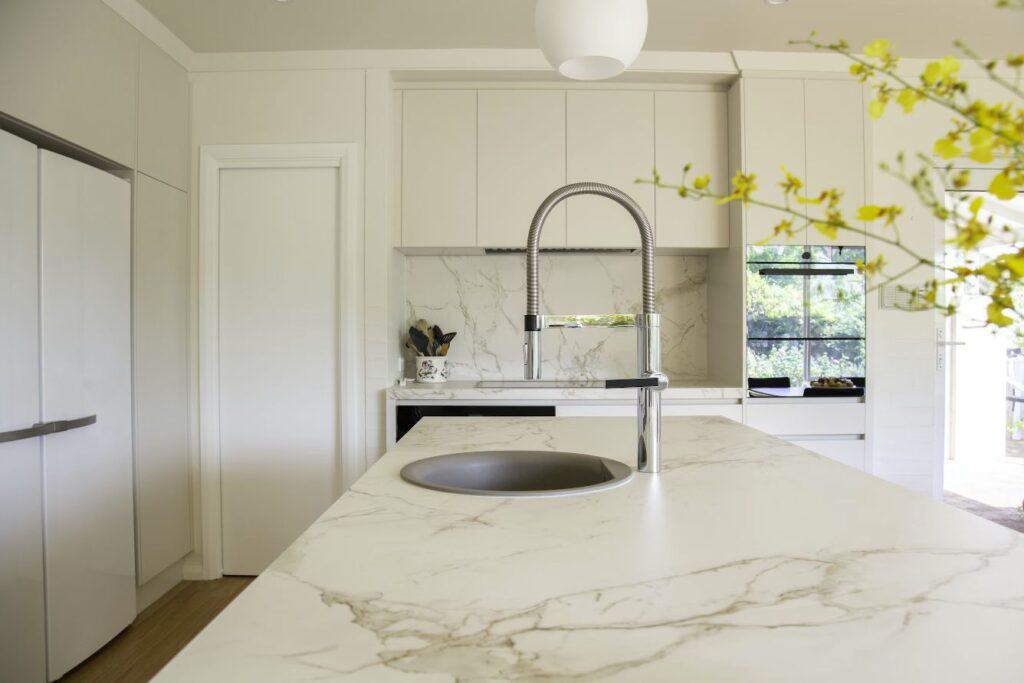
The world of interior design has evolved rapidly over the past few decades, and materials used in construction and decoration have advanced alongside it. Among the most notable developments is the growing popularity of solid surface materials. These engineered materials have transformed how designers approach kitchens, bathrooms, commercial counters, and public interior spaces. Their seamless appearance, durability, and flexibility allow designers to create modern, clean, and highly functional environments. As a result, manufacturers have focused heavily on innovation to expand the design possibilities of solid surface products.
Solid surface materials are known for their ability to combine aesthetics with functionality. Designers can mold, shape, and customize them to meet the specific needs of modern architecture. A trusted Solid Surface Solid Surface Manufacturer such as Solid Surface Solid Surface Manufacturer plays a major role in developing new design solutions that enhance both visual appeal and performance. By introducing new colors, textures, fabrication techniques, and customization options, manufacturers are continuously redefining the possibilities of solid surface materials in contemporary design.
Advanced Color and Pattern Development
One of the most important design innovations introduced by manufacturers is the development of advanced color and pattern collections. Early solid surface materials were limited to simple colors and minimal patterns. Today, manufacturers have significantly expanded their design ranges to include stone-like textures, marble-inspired veins, terrazzo patterns, and artistic color blends.
These new designs allow architects and designers to achieve the look of natural stone while maintaining the practical benefits of engineered surfaces. Modern manufacturing technologies enable precise pigment distribution and controlled pattern creation, resulting in visually striking surfaces that remain consistent across large installations. This innovation gives designers greater creative freedom while ensuring uniformity in large-scale projects.
Seamless Design Capabilities
Another major innovation in solid surface design is the ability to create completely seamless installations. Unlike traditional materials such as granite or tile, solid surface sheets can be joined together with nearly invisible seams. This capability allows designers to produce continuous surfaces for countertops, wall panels, reception desks, and large commercial installations.
Seamless design not only enhances the visual appeal of a space but also improves hygiene and maintenance. The absence of visible joints prevents the accumulation of dirt, moisture, and bacteria, making solid surface materials ideal for hospitals, laboratories, restaurants, and healthcare facilities. This innovation combines design elegance with practical functionality.
Thermoforming and Curved Designs
Thermoforming technology has opened new possibilities for creative interior design using solid surface materials. By applying controlled heat, manufacturers and fabricators can bend and shape solid surface sheets into curves, waves, and three-dimensional forms. This process allows designers to move beyond flat surfaces and explore more dynamic and organic shapes.
Curved reception desks, flowing wall panels, sculptural sinks, and custom furniture pieces are now possible thanks to thermoforming. This design flexibility allows architects to create distinctive interiors that stand out visually while maintaining structural integrity and durability.
Integrated Sink and Countertop Designs
Another important design innovation is the integration of sinks and countertops into a single seamless unit. Solid surface materials can be molded and joined in a way that eliminates gaps between surfaces. Integrated sinks are particularly popular in bathrooms, kitchens, and healthcare environments where cleanliness and easy maintenance are essential.
These integrated designs provide a smooth, continuous surface that improves both aesthetics and hygiene. Water, soap, and debris cannot accumulate in joints or seams, making cleaning easier and reducing the risk of bacterial growth. This innovation demonstrates how design and practicality can work together in modern interior solutions.
Backlit and Translucent Surface Effects
Some modern solid surface materials are designed with translucent properties that allow light to pass through them. This innovation enables designers to create stunning backlit surfaces for decorative walls, bar counters, reception desks, and feature panels.
When LED lighting is installed behind translucent solid surface panels, it produces a glowing effect that adds depth and visual interest to interior spaces. Designers can experiment with lighting patterns, gradients, and artistic effects to create unique focal points within a room. This combination of lighting and material design has become increasingly popular in hospitality, retail, and luxury commercial environments.
Custom Fabrication and Artistic Design
Customization is another area where solid surface manufacturers have introduced significant design innovations. Modern fabrication techniques allow materials to be cut, engraved, carved, or shaped into highly personalized forms. Designers can incorporate logos, decorative patterns, and artistic elements directly into the surface material.
Custom fabrication enables businesses to create branded environments that reflect their identity and design vision. Hotels, corporate offices, restaurants, and retail stores often use customized solid surface installations to create distinctive interior experiences for visitors and customers.
Expanding Possibilities in Modern Design
Design innovation continues to drive the evolution of solid surface materials in the global interior design industry. Manufacturers are constantly developing new colors, textures, fabrication technologies, and lighting applications that expand the creative potential of these materials. Their efforts allow designers to combine beauty, functionality, and durability in a wide variety of architectural projects.
As modern spaces demand greater creativity and performance, solid surface manufacturers will continue to play a key role in shaping future design trends. Through ongoing research, technological advancement, and collaboration with designers, they are helping redefine how materials can enhance both residential and commercial interiors.
