

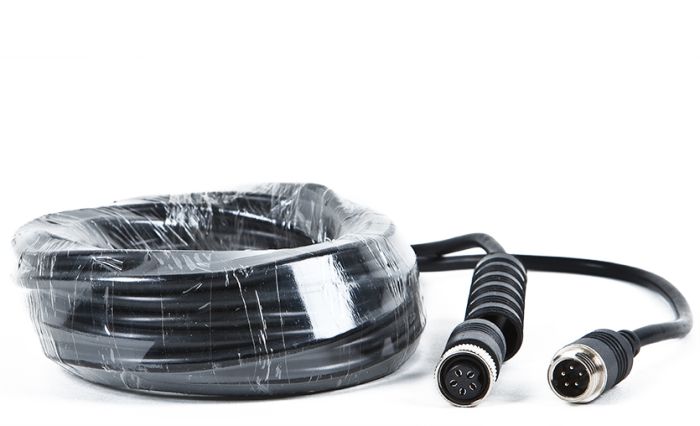
Modern surveillance systems rely on multiple components working together to deliver clear and continuous video monitoring. While cameras and recording devices are essential, the performance of the entire system often depends on something much smaller but equally important: connectors.
In CCTV installations, connectors ensure that video signals and power flow smoothly between devices. Understanding the different types of connectors helps in selecting the right components for stable and reliable system performance. Many surveillance setups depend on high-quality cctv cable connectors to maintain consistent connectivity and reduce system failures.
Why CCTV Connectors Matter in Surveillance Systems
Connectors act as the physical link between cables and devices such as cameras, DVRs, and power supplies. Without secure connections, even high-quality equipment may fail to perform properly.
Well-designed connectors help:
- Maintain stable video transmission
- Ensure uninterrupted power supply
- Reduce signal interference
- Improve long-term system reliability
They are a small but essential part of any CCTV infrastructure.
BNC Connectors in CCTV Systems
BNC connectors are the most commonly used connectors in analog and HD-over-coax surveillance systems.
Key Features of BNC Connectors
- Twist-and-lock mechanism for secure attachment
- Strong resistance to accidental disconnection
- Reliable signal transmission for video data
- Compatibility with multiple CCTV formats
Where BNC Connectors Are Used
BNC connectors are widely used in:
- Analog CCTV systems
- HD-TVI cameras
- HD-CVI surveillance systems
- AHD video setups
They are preferred for their durability and stable performance in professional surveillance environments.
RCA Connectors in CCTV Applications
RCA connectors are another type of video connector sometimes found in basic or older CCTV systems.
Characteristics of RCA Connectors
- Simple plug-and-play design
- Easy to connect and disconnect
- Common in consumer electronics
CCTV Usage
While not widely used in modern professional surveillance systems, RCA connectors may still appear in:
- Basic home security setups
- Legacy CCTV systems
- Low-cost monitoring equipment
They are generally less secure than BNC connectors, making them less suitable for critical surveillance applications.
DC Power Connectors in CCTV Systems
CCTV cameras require a constant power supply to operate. DC power connectors are responsible for delivering electricity from power adapters or centralized power supplies.
Features of DC Connectors
- Standardized cylindrical plug design
- Simple installation process
- Reliable power transmission
- Widely compatible with CCTV cameras
Importance in Surveillance Systems
Without stable power connectors, cameras may experience:
- Sudden shutdowns
- System rebooting
- Loss of recorded footage
DC connectors ensure continuous camera operation, which is essential for security monitoring.
Other Common CCTV Connectors
In addition to BNC, RCA, and DC connectors, other types are also used depending on system requirements.
F-Type Connectors
F-type connectors are commonly used in coaxial cable systems and may appear in certain CCTV installations. They provide strong shielding and are suitable for longer cable runs.
Ethernet (RJ45) Connectors
In IP-based surveillance systems, RJ45 connectors are used for both data and power transmission (PoE systems). These connectors are standard in modern network cameras.
Terminal Block Connectors
Used in some professional installations, terminal block connectors allow secure wiring for power and signal distribution in centralized systems.
Choosing the Right CCTV Connector Type
Selecting the correct connector depends on system design, camera type, and installation environment.
Consider the Following Factors
- Type of CCTV system (analog or IP)
- Distance between devices
- Power requirements
- Environmental conditions
- Compatibility with existing equipment
Using the wrong connector type can lead to performance issues or system instability.
Common Problems Caused by Poor Connectors
Low-quality or incorrectly installed connectors can negatively affect surveillance performance.
Signal Issues
- Flickering video
- Weak image quality
- Signal interruptions
Power Problems
- Camera shutdowns
- Inconsistent performance
- Equipment damage risk
Maintenance Challenges
- Frequent reconnections
- Difficult troubleshooting
- Increased system downtime
Best Practices for Using CCTV Connectors
Proper selection and installation of connectors improve system reliability and performance.
Use High-Quality Components
Durable connectors reduce the risk of corrosion, wear, and signal loss.
Ensure Proper Installation
Secure connections help prevent accidental disconnections and unstable signals.
Match Connectors with System Type
Always use connectors designed for your specific CCTV system to ensure compatibility.
Regular Inspection
Routine checks help identify wear or damage before it affects system performance.
Conclusion
CCTV connectors play a crucial role in ensuring stable video transmission and reliable power delivery in surveillance systems. From BNC and RCA to DC and Ethernet connectors, each type serves a specific purpose in maintaining system performance.
Understanding these connector types helps in building more efficient and dependable security systems. With proper selection and installation, CCTV systems can operate smoothly and provide consistent monitoring across various environments.
