

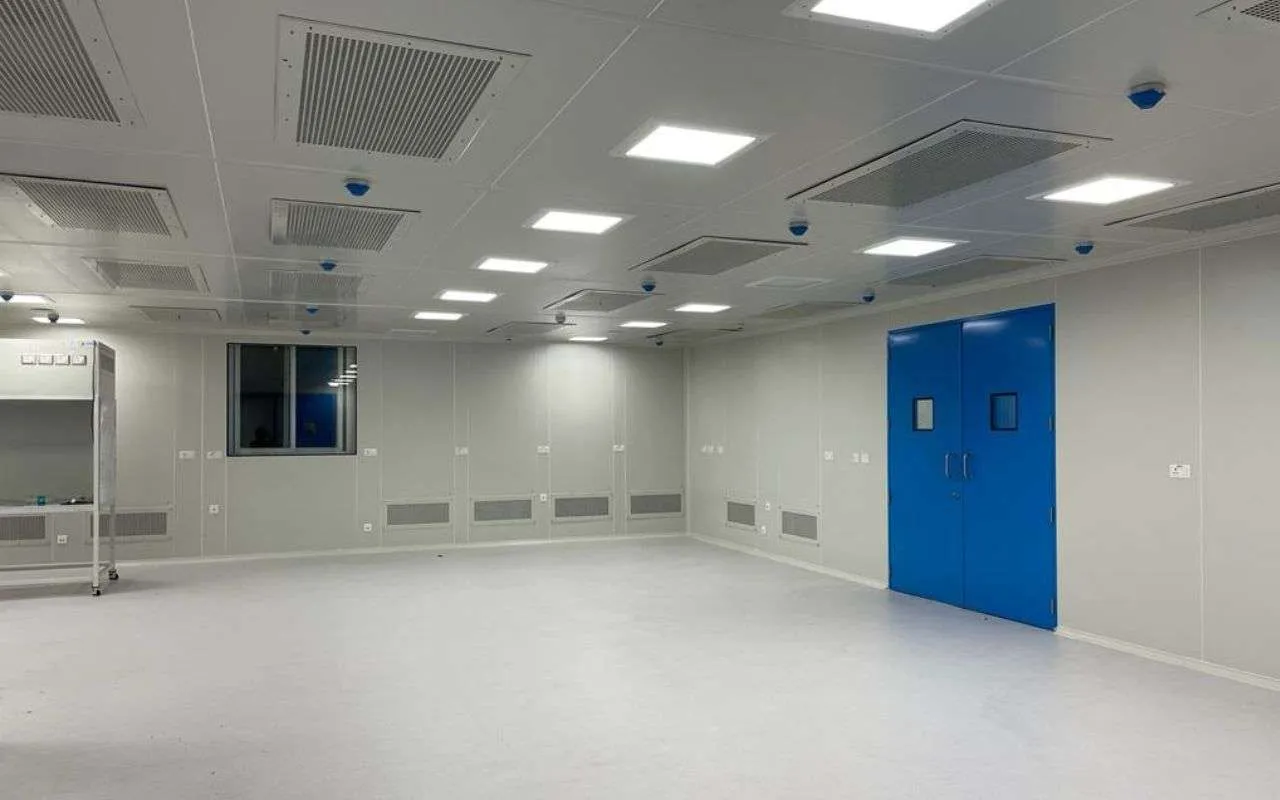
Cleanroom facilities are highly controlled environments used in industries where even minor contamination can lead to significant quality, safety, or regulatory issues. Because of their complexity, building and operating these facilities involves multiple technical, financial, and compliance-related risks. Effective risk management is therefore essential throughout the project lifecycle.
A structured and integrated approach such as a Cleanroom Turnkey Project helps reduce uncertainty by combining design, engineering, construction, and validation under a unified execution model. However, even with this integrated approach, careful planning is required to identify and control potential risks.
Early Identification of Project Risks
Risk management begins at the earliest stage of the project. Identifying potential risks during planning allows teams to develop mitigation strategies before problems occur.
Common early-stage risks include:
- Incomplete or unclear project requirements
- Misalignment between design and operational needs
- Underestimated budget or timeline constraints
- Regulatory compliance misunderstandings
By addressing these issues early, project teams can reduce the likelihood of costly changes later in the process.
Design and Engineering Risks
One of the most critical areas of risk in cleanroom projects is the design phase. Cleanroom systems require precise coordination between mechanical, electrical, and structural engineering disciplines.
If design coordination is weak, it can lead to system conflicts and performance issues.
Key design-related risks include:
- Improper HVAC airflow and pressure design
- Incompatible system integration between disciplines
- Incorrect material selection for cleanroom environments
- Insufficient allowance for future expansion
In a Cleanroom Turnkey Project, integrated engineering helps reduce these risks by ensuring all systems are designed together from the beginning.
Construction and Installation Risks
During construction, risks often arise from execution errors, material handling issues, or deviations from design specifications. Cleanroom environments require high precision, so even minor installation mistakes can impact performance.
Typical construction risks include:
- Improper sealing of cleanroom panels
- Misalignment of HVAC ducting systems
- Damage to prefabricated components during transport
- Non-compliance with installation standards
Strict supervision and step-by-step quality checks are essential to minimize these risks.
Regulatory and Compliance Risks
Cleanroom facilities must meet strict regulatory standards such as ISO classifications and GMP guidelines. Failure to comply can result in project delays, failed audits, or rejection of facility certification.
Compliance risks often stem from:
- Lack of early regulatory planning
- Inadequate documentation and traceability
- Late-stage validation failures
- Misinterpretation of industry standards
Integrating compliance requirements into the design and engineering phases significantly reduces these risks.
Schedule and Budget Risks
Time and cost overruns are common challenges in complex construction projects. In cleanroom development, delays can have a direct impact on production timelines and market entry.
Key factors contributing to schedule and budget risks include:
- Delays in material procurement
- Poor coordination between contractors
- Unexpected design modifications
- Inefficient project sequencing
A structured Cleanroom Turnkey Project reduces these risks by centralizing responsibility and improving coordination across all phases.
Quality Control Risks
Maintaining consistent quality throughout the project is essential for cleanroom performance. Any deviation in materials, installation, or system integration can affect operational reliability.
Quality-related risks include:
- Use of non-compliant or low-grade materials
- Inconsistent installation practices
- Lack of inspection during critical stages
- Failure to meet performance specifications
Implementing strict quality assurance procedures helps ensure that all systems meet required standards.
Operational Risks After Commissioning
Risk management does not end once the cleanroom is operational. Ongoing risks must also be considered to ensure long-term performance and compliance.
These include:
- Equipment failure or system degradation
- Environmental instability (airflow, temperature, humidity)
- Inadequate maintenance practices
- Changes in regulatory requirements
Continuous monitoring systems and preventive maintenance programs help reduce operational risks over time.
Risk Mitigation Through Integrated Project Delivery
One of the main advantages of a turnkey approach is its ability to reduce risk through integration. When a single team manages design, construction, and validation, coordination becomes more efficient and accountability is clearer.
This approach helps:
- Improve communication between engineering teams
- Reduce design and installation conflicts
- Ensure consistent quality control standards
- Streamline compliance and validation processes
Conclusion
Risk management is a critical component of any cleanroom development project due to the technical complexity and strict regulatory requirements involved. From design and construction to validation and operation, each phase presents unique challenges that must be carefully managed.
A Cleanroom Turnkey Project helps minimize these risks by integrating all project stages into a unified system. With proper planning, coordination, and quality control, organizations can achieve safer, more efficient, and fully compliant cleanroom facilities that support long-term operational success.
