

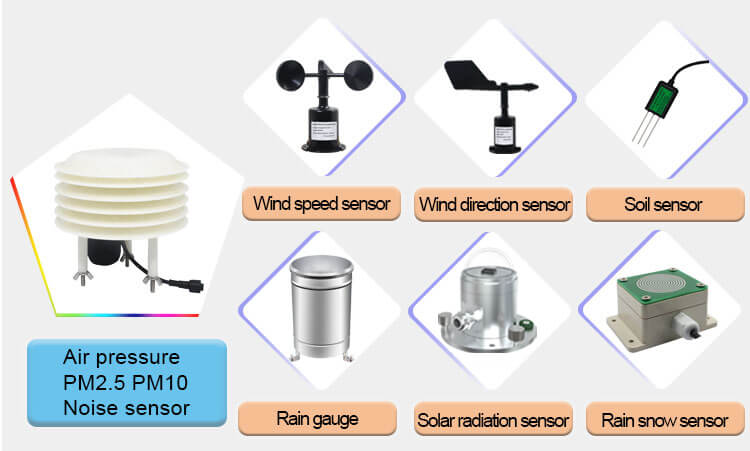
The sensor industry has grown rapidly in recent years, driven by increasing demand for smart devices, environmental monitoring, industrial automation, and Internet of Things (IoT) applications. Sensors play a critical role in collecting accurate data that powers decision-making and automation across multiple sectors. However, manufacturing high-quality sensors is not without its challenges. Sensor manufacturers face technical, economic, and market-related hurdles that require innovative solutions to maintain accuracy, reliability, and competitiveness.
A reputable Sensor Manufacturer must navigate these challenges while delivering precise and durable products. Meeting customer expectations for high performance, maintaining production efficiency, and staying ahead in a rapidly evolving technological landscape are constant pressures for sensor producers. Understanding these challenges sheds light on the complexity of the industry and the importance of investing in robust design, manufacturing, and quality control processes.
Technological Complexity and Innovation Pressure
One of the primary challenges for sensor manufacturers is keeping up with technological advancements. Sensors are expected to be smaller, more energy-efficient, and capable of higher accuracy than ever before. Integrating new materials, microelectronics, and wireless communication technologies into compact designs requires substantial research and development (R&D) investments.
Innovation pressure is particularly high in sectors such as healthcare, environmental monitoring, and IoT applications, where customers demand cutting-edge sensors that provide real-time data with minimal error. Manufacturers must continuously improve sensor performance while ensuring reliability, durability, and compatibility with existing systems, which can be both technically and financially demanding.
Supply Chain and Material Constraints
Another significant challenge is securing a stable supply of high-quality materials and components. Sensors often rely on specialized materials, such as high-purity metals, semiconductors, or sensitive polymers, which may be subject to global supply fluctuations. Disruptions in the supply chain, whether due to geopolitical issues, natural disasters, or logistical delays, can impact production timelines and increase costs.
Manufacturers must also address the challenge of sourcing environmentally compliant materials that meet international standards, including RoHS and REACH regulations. Balancing material quality, sustainability, and cost-effectiveness is a critical factor in ensuring long-term production reliability.
Precision and Calibration Challenges
Accuracy is the cornerstone of sensor functionality, yet maintaining precise calibration throughout manufacturing and operational life presents a challenge. Sensors must consistently perform within strict tolerances, despite environmental factors such as temperature fluctuations, humidity, or mechanical vibrations.
Achieving high precision often requires advanced manufacturing techniques and frequent calibration checks, which can be time-consuming and costly. In industries where errors can lead to operational failures, safety risks, or regulatory violations, sensor manufacturers must invest in robust testing and quality assurance processes to guarantee reliability.
Market Competition and Pricing Pressures
The sensor market is highly competitive, with numerous manufacturers offering similar products. Companies face the dual challenge of maintaining high product quality while keeping prices competitive. Cost pressures can lead to trade-offs in material selection, production methods, or sensor performance, making it difficult to sustain profitability without compromising quality.
Furthermore, customer expectations are evolving. Buyers now demand not only accurate and reliable sensors but also additional features such as wireless connectivity, IoT compatibility, and user-friendly integration. Sensor manufacturers must balance feature enhancements with cost and complexity to remain competitive in global markets.
Regulatory Compliance and Certification
Compliance with international standards and certifications is essential for sensor manufacturers, but navigating these regulatory requirements can be challenging. Different industries and regions require adherence to specific guidelines, including safety standards, electromagnetic compatibility, and environmental regulations. Ensuring that products meet these standards often involves rigorous testing, documentation, and periodic audits, which can be resource-intensive.
Failure to comply with regulatory requirements can result in fines, reputational damage, or product recalls, making regulatory adherence a significant operational concern for sensor manufacturers.
Workforce Skills and Training
The development and manufacturing of advanced sensors require highly skilled personnel in areas such as electronics, materials science, software engineering, and calibration techniques. Recruiting and retaining qualified staff can be a challenge, particularly as the industry demands increasingly specialized knowledge.
Manufacturers must invest in continuous training programs to keep their workforce up to date with the latest technologies, fabrication methods, and quality control standards. Without skilled personnel, even advanced equipment cannot guarantee consistent sensor accuracy and reliability.
Conclusion
Sensor manufacturers today operate in a complex landscape characterized by technological innovation, supply chain constraints, precision requirements, competitive pressures, regulatory obligations, and workforce challenges. Successfully navigating these hurdles requires a combination of advanced R&D, robust quality assurance processes, efficient production methods, and skilled personnel.
A reliable Sensor Manufacturer invests in innovation, maintains strict quality standards, ensures regulatory compliance, and adapts to market demands to deliver sensors that meet the highest performance expectations. Addressing these challenges not only ensures the accuracy and durability of sensors but also strengthens the manufacturer’s reputation and competitiveness in a rapidly growing and increasingly demanding market.
