

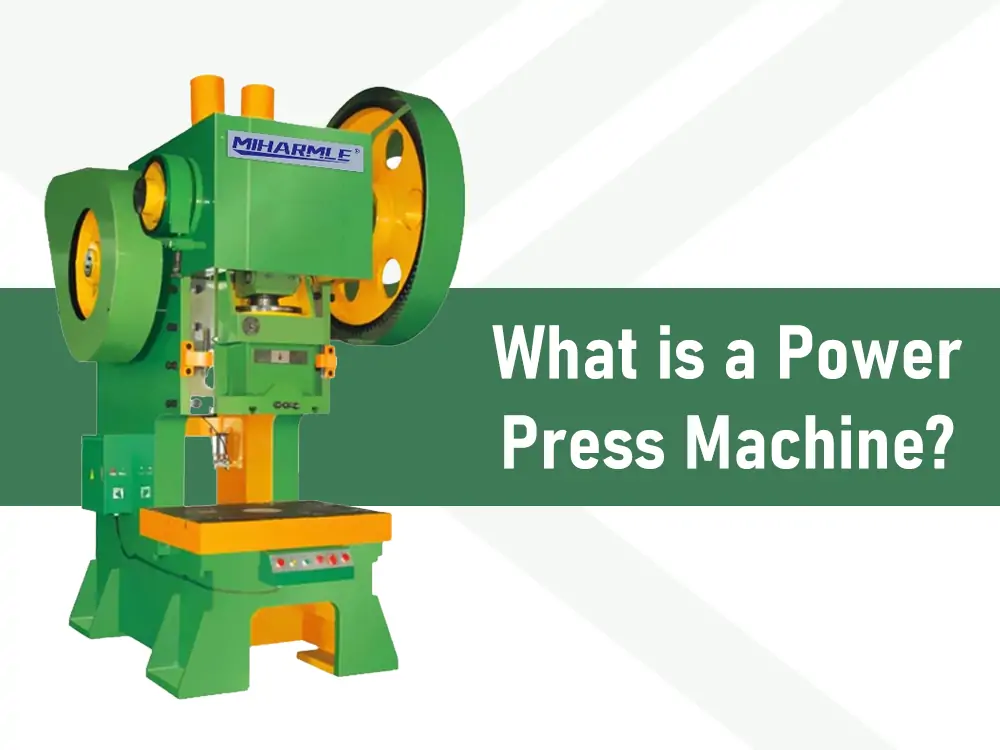
Quality assurance is a critical aspect of modern manufacturing, particularly in the production of press machines. These machines are essential in shaping, cutting, and forming metal components, and their reliability directly affects production efficiency, safety, and product quality. Implementing robust quality assurance practices in press machine factories ensures that every machine meets rigorous performance standards before it reaches the customer. From raw material inspection to final testing, modern factories integrate systematic procedures to maintain consistent quality across all stages of production.
A Press Machine Factory combines advanced engineering, skilled labor, and quality control systems to produce reliable industrial machines. For detailed insights into industrial models and quality standards, you can explore Press Machine Factory. Quality assurance in such facilities is not just about inspecting finished machines but involves a comprehensive approach encompassing design, material selection, manufacturing processes, assembly, and post-production testing. This holistic approach ensures that machines are durable, safe, and capable of meeting high-volume industrial demands.
Design Verification and Engineering Standards
Quality assurance begins at the design stage. Engineers create detailed specifications and computer-aided design (CAD) models, which are verified for structural integrity, force distribution, and operational efficiency. Design simulations test how the machine will perform under various conditions, including load stress, vibration, and repetitive cycles. Any potential weaknesses are addressed before physical components are manufactured. By integrating quality control at the design phase, factories reduce the likelihood of defects and improve overall machine reliability.
Engineering standards also define acceptable tolerances for critical components. Modern press machine factories adhere to national and international quality certifications such as ISO and CE, which provide benchmarks for precision, safety, and consistency. Compliance with these standards ensures that the machines meet global industrial requirements and maintain high operational performance.
Raw Material Inspection and Component Quality
The next crucial step in quality assurance is inspecting raw materials and components. High-grade steel and alloys are commonly used in frames, rams, and other critical parts to ensure durability and resistance to stress. Materials are tested for tensile strength, hardness, and consistency before production begins. Component quality is equally important. Bearings, hydraulic cylinders, gears, and electronic systems are sourced from certified suppliers and inspected upon arrival.
Consistent quality in materials and components prevents early wear, operational errors, and safety hazards. Factories often maintain detailed documentation of supplier certifications, batch tests, and inspection records to ensure traceability and accountability.
Precision Manufacturing Processes
Modern press machine factories employ advanced manufacturing techniques to maintain consistent quality. CNC machining, laser cutting, and automated welding processes are used to produce components with high precision. Each part is manufactured within strict tolerances, ensuring that it fits accurately during assembly. Precision in manufacturing reduces stress on the machine frame, improves efficiency, and extends the service life of both the press and its tooling.
During production, in-process inspections are conducted at multiple stages to detect deviations early. This proactive approach helps prevent defective components from being assembled into the final machine, ensuring that only high-quality parts progress through the production line.
Assembly Accuracy and Standardized Procedures
The assembly process is a critical stage where quality assurance is closely monitored. Skilled technicians follow standardized procedures to assemble frames, rams, drive systems, and safety mechanisms. Precision alignment of the ram, proper installation of clutch and brake systems, and secure mounting of dies and bolsters are all essential to ensure smooth operation.
Factories often use checklists, torque specifications, and specialized tools to maintain assembly accuracy. Quality assurance teams oversee assembly processes to verify that every machine meets design specifications and safety requirements before moving to the testing phase.
Functional Testing and Performance Evaluation
After assembly, each press machine undergoes functional testing to evaluate its performance. Tests include verifying stroke accuracy, force consistency, speed, and operational reliability under simulated working conditions. Safety features such as emergency stops, guards, and light curtains are tested to ensure compliance with regulatory standards. Any deviations identified during testing are corrected before the machine is approved for shipment.
Some factories conduct production trials using sample materials to assess real-world performance. These tests confirm that the press machine can operate efficiently under actual production loads and conditions, further ensuring customer satisfaction.
Continuous Improvement and Documentation
Modern press machine factories implement continuous improvement practices as part of their quality assurance programs. Feedback from customers, internal audits, and performance data are analyzed to refine manufacturing processes, enhance machine designs, and improve testing protocols. Detailed documentation of every step—from design verification to final testing—provides traceability and supports compliance with industry standards.
Conclusion
Quality assurance in modern press machine factories is a comprehensive, multi-stage process that ensures machines are reliable, efficient, and safe. From design verification and raw material inspection to precision manufacturing, assembly, and functional testing, every step is carefully monitored and controlled. By adhering to rigorous quality practices, press machine factories deliver equipment that meets demanding industrial standards, reduces operational risks, and enhances long-term productivity. These practices not only maintain product quality but also build trust and confidence in the machines supplied to manufacturers worldwide.
