

Maintaining optimal water quality is critical for the health, growth, and productivity of aquatic organisms in aquaculture systems. Among the various water quality parameters, pH plays a significant role, influencing biological processes, nutrient availability, and overall ecosystem stability. Monitoring and controlling pH levels ensures that fish, shrimp, and other aquatic species thrive in a healthy and balanced environment.
Role of pH Monitoring in Aquaculture
The pH of water indicates its acidity or alkalinity on a scale of 0 to 14, with 7 considered neutral. Values below 7 are acidic, while those above 7 are alkaline. Maintaining the proper pH range is vital in aquaculture because extreme pH levels can stress aquatic organisms, impair growth, reduce immunity, and even cause mortality.
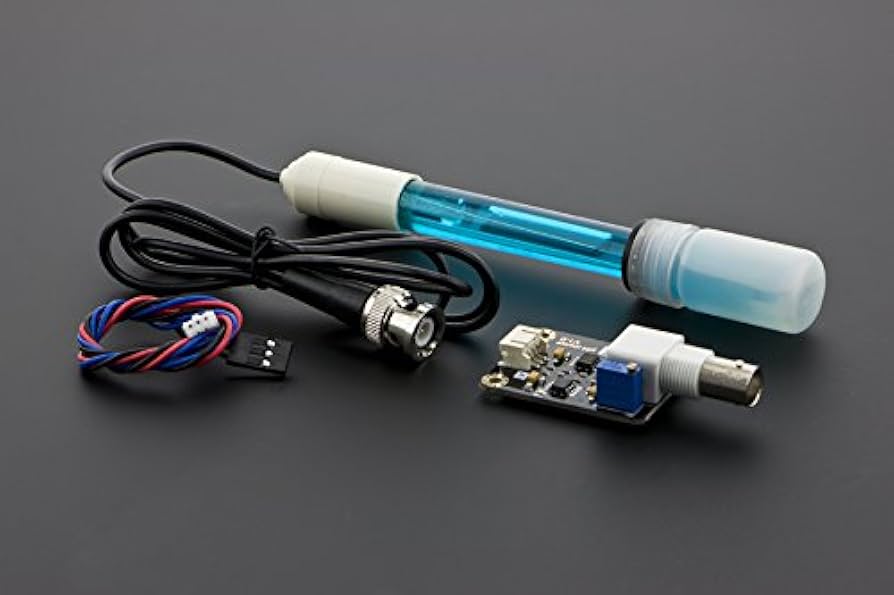
A water ph sensor is an essential tool in aquaculture for continuously monitoring these levels. By converting chemical activity in water into precise electrical signals, these sensors allow operators to make informed adjustments to feeding schedules, aeration, or water treatment procedures. Real-time data from pH sensors helps maintain stable water conditions, which is crucial for sustainable aquaculture operations.
How a Water pH Sensor Functions
A water pH sensor typically includes a measuring electrode and a reference electrode. The measuring electrode interacts with hydrogen ions in the water, generating a voltage proportional to the ion concentration. The reference electrode provides a stable baseline to measure this voltage difference accurately. This electrical signal is then converted into a pH value that can be displayed on a monitor or integrated into automated control systems.
Modern sensors often incorporate temperature compensation to ensure accurate readings across fluctuating water temperatures. Durable construction and protective membranes make them suitable for long-term use in aquaculture tanks, ponds, and recirculating systems.
Applications in Aquaculture Systems
Water pH sensors are used in various aquaculture setups, from small-scale tanks to large commercial ponds. In recirculating aquaculture systems (RAS), pH sensors help maintain water chemistry within optimal ranges, preventing harmful fluctuations that could affect fish health. In outdoor ponds, these sensors detect changes caused by rainfall, runoff, or algal growth, allowing timely corrective actions.
Sensors also assist in monitoring pH during the addition of chemicals such as lime or acid to stabilize water conditions. Continuous monitoring ensures that adjustments are precise and minimizes the risk of overcorrection, which could harm aquatic life.
Integration with Automated Aquaculture Systems
Modern aquaculture increasingly relies on automated monitoring and control systems to optimize productivity. Water pH sensors can be integrated with aeration systems, feeders, and water treatment units to maintain ideal conditions automatically. Alerts generated by sensors allow operators to respond quickly to unexpected changes, reducing stress on aquatic organisms and improving survival rates.
Continuous data logging from pH sensors also enables long-term trend analysis, helping operators make informed decisions regarding water management, stocking density, and feed strategies. This leads to higher efficiency and more sustainable aquaculture operations.
Factors Affecting Sensor Accuracy and Longevity
To ensure reliable performance, pH sensors require proper maintenance and regular calibration with standard buffer solutions. Factors such as fouling from algae, biofilms, or suspended solids can reduce accuracy, as can exposure to extreme pH or temperature conditions. Choosing sensors specifically designed for aquaculture environments and following recommended cleaning and storage procedures extends their lifespan and ensures consistent results.
Benefits of Accurate pH Monitoring
Accurate pH monitoring supports healthier aquatic organisms, improved growth rates, and reduced mortality. It enhances water treatment efficiency, minimizes chemical waste, and provides data for better operational planning. By leveraging water pH sensors, aquaculture operators can create stable and optimal environments, leading to increased productivity and profitability while maintaining sustainable practices.
Conclusion
A water pH sensor is a vital instrument in aquaculture systems, providing continuous, accurate monitoring of water acidity and alkalinity. Its application ensures stable conditions, promotes healthy aquatic life, and supports efficient and sustainable operations. Understanding the importance of pH and using advanced sensor technology empowers aquaculture operators to maintain high standards in water quality management, ultimately resulting in more productive and resilient aquaculture systems.
