

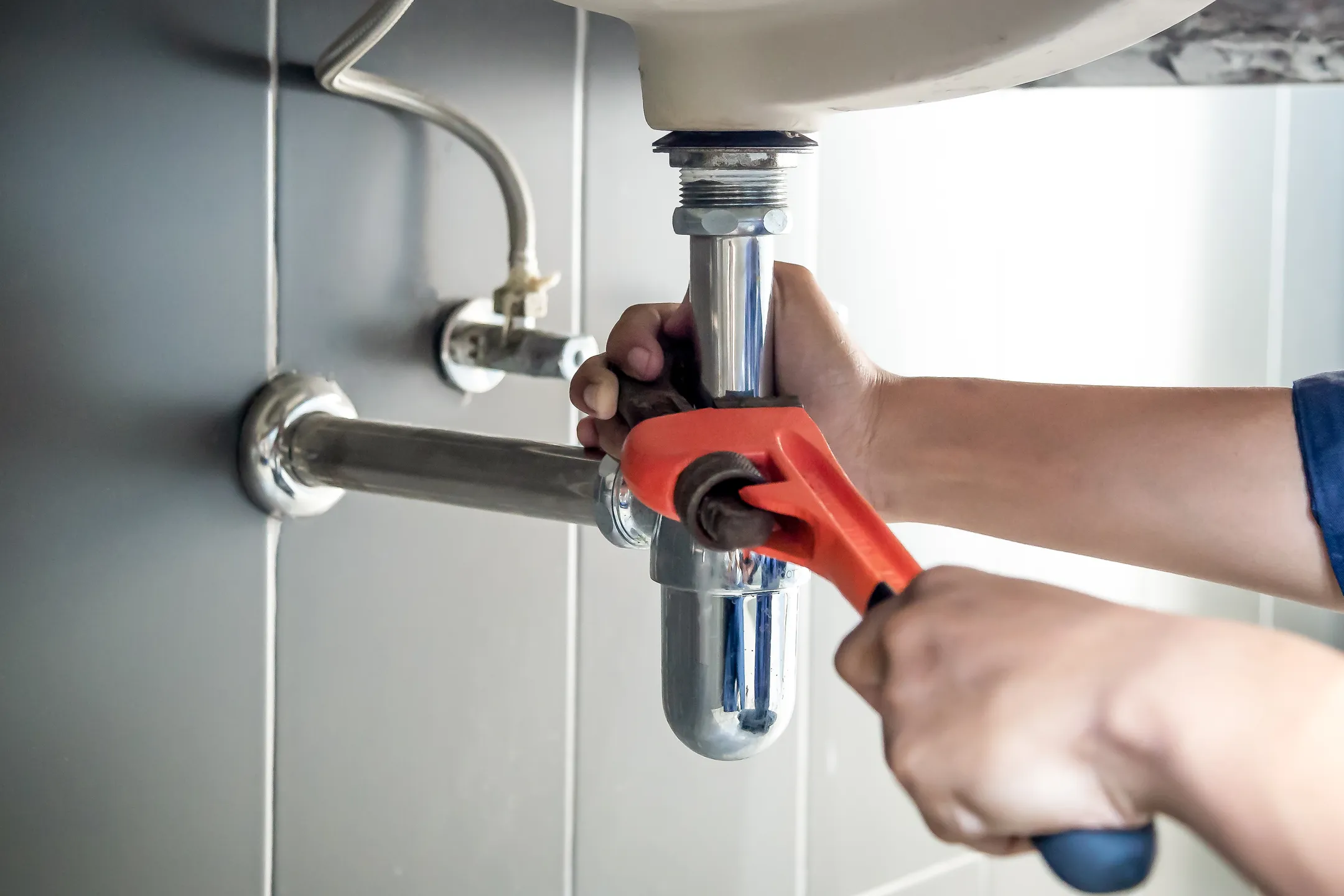
Plumbing issues can strike at the most inconvenient times, often causing water damage, flooding, or disruption to your daily routine. From burst pipes to overflowing toilets, timely intervention is essential to prevent minor problems from escalating into major disasters. Understanding when and why to call an emergency plumber ensures your home remains safe, functional, and protected from costly water damage.
An emergency plumber provides rapid response services for urgent plumbing issues. These professionals are equipped with the tools, expertise, and experience to handle high-pressure situations efficiently, minimizing damage and restoring normalcy as quickly as possible.
Common Scenarios Requiring an Emergency Plumber
Plumbing emergencies can vary widely, but certain situations demand immediate attention:
1. Burst Pipes
A burst pipe can release a large volume of water in a short time, potentially flooding your home. This can cause structural damage, mold growth, and ruined flooring or furniture if not addressed promptly.
2. Blocked Drains or Sewage Backups
Severe blockages in drains or toilets can lead to wastewater overflowing into your home, creating unsanitary conditions. Emergency plumbers have the equipment to clear even the most stubborn clogs safely.
3. Water Heater Failures
A malfunctioning water heater can lead to leaks, electrical hazards, or loss of hot water. Prompt repair or replacement ensures both safety and comfort.
4. Gas Leaks
Gas plumbing issues are particularly dangerous. If you detect the smell of gas, an emergency plumber can safely isolate the problem and carry out immediate repairs to prevent accidents.
5. Sudden Water Loss or Low Pressure
A sudden drop in water pressure or loss of supply may indicate a major leak or pipe damage. Rapid diagnosis and repair by an emergency plumber prevent further complications.
Benefits of Hiring an Emergency Plumber
Calling an emergency plumber offers several advantages beyond the immediate repair:
1. Rapid Response
Emergency plumbers are available 24/7, ensuring problems are addressed immediately, even during nights, weekends, or holidays. This quick action minimizes property damage and inconvenience.
2. Expertise and Experience
Professional emergency plumbers have extensive training to diagnose issues quickly and implement effective solutions. Their experience allows them to handle complex plumbing challenges safely.
3. Advanced Tools and Equipment
Emergency plumbing requires specialized equipment, such as high-pressure drain cleaners, pipe cameras, and leak detection tools. Professionals bring the right tools to address the issue efficiently.
4. Safety Assurance
Plumbing emergencies can pose electrical, water, or gas hazards. Hiring a trained professional ensures repairs are carried out safely, protecting your home and family.
5. Long-Term Solutions
Emergency plumbers don’t just provide temporary fixes. They identify underlying problems and offer long-term solutions, reducing the likelihood of recurring emergencies.
How to Handle a Plumbing Emergency While Waiting for Help
While waiting for an emergency plumber to arrive, homeowners can take some precautionary steps:
- Shut Off the Water Supply: Stop the flow of water to prevent flooding or further leaks.
- Turn Off Electricity: In areas affected by water, switch off nearby electrical circuits to avoid shocks.
- Contain Water: Use buckets, towels, or mops to limit water spread.
- Document the Damage: Take photos for insurance purposes and future reference.
- Avoid DIY Repairs That Risk Safety: Some issues, like gas leaks or major pipe bursts, require professional handling.
Choosing the Right Emergency Plumber
Not all plumbers offer emergency services. When selecting a reliable emergency plumber, consider:
- Availability: Ensure they provide 24/7 response for urgent cases.
- Experience: Look for years of experience in handling high-pressure plumbing emergencies.
- Certifications: Verify licenses and certifications to ensure professional standards.
- Customer Reviews: Feedback from previous clients can indicate reliability and quality of service.
- Transparency in Pricing: Understand emergency call-out charges and service fees upfront.
Preventing Future Plumbing Emergencies
While emergencies can’t always be avoided, regular maintenance reduces the likelihood of sudden plumbing disasters:
- Inspect pipes and fittings for signs of corrosion or wear
- Schedule regular drain cleaning to prevent blockages
- Test water heaters and pressure relief valves periodically
- Install water leak detectors in high-risk areas
- Address minor leaks or dripping taps immediately before they escalate
Conclusion
An emergency plumber is an essential resource for homeowners facing urgent plumbing issues. From burst pipes and water heater malfunctions to blocked drains and gas leaks, timely intervention prevents damage, ensures safety, and restores home functionality. By understanding common emergencies, knowing how to act in the meantime, and choosing a reliable professional, homeowners can protect their property and enjoy peace of mind, knowing that expert help is available whenever it’s needed.
