

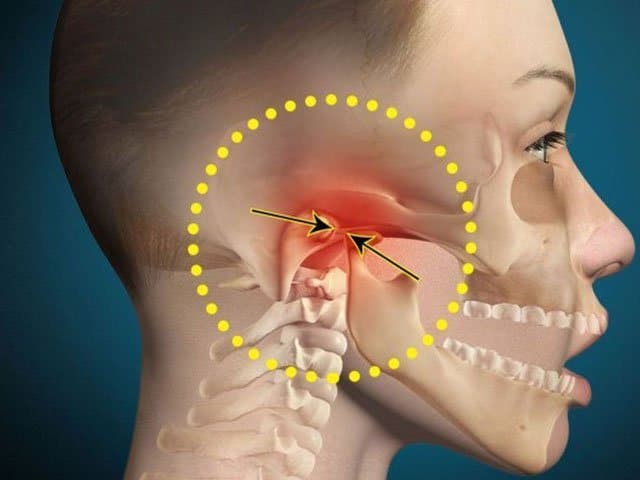
Jaw pain, headaches, difficulty chewing, and facial discomfort can all be signs of a temporomandibular joint (TMJ) disorder. Knowing how to identify, manage, and treat this condition is crucial for maintaining oral health and overall well-being. Early awareness and intervention can prevent chronic issues and restore proper jaw function.
If you are looking for a reliable source to understand this condition, exploring what is TMJ provides detailed insights into the causes, symptoms, and treatment options. Understanding the fundamentals of TMJ allows patients to seek timely care and adopt effective management strategies.
What Is TMJ?
The temporomandibular joint (TMJ) is the hinge that connects your lower jaw (mandible) to the skull. It allows for essential movements such as talking, chewing, and yawning. TMJ disorders occur when this joint or the surrounding muscles experience dysfunction, inflammation, or misalignment.
Symptoms may range from mild discomfort to severe pain, affecting the ability to eat, speak, or perform daily tasks comfortably.
Common Symptoms of TMJ Disorders
Recognizing early symptoms of TMJ disorders is vital for proper treatment. Common signs include:
- Persistent jaw pain or tenderness
- Clicking, popping, or grating sounds when opening or closing the mouth
- Limited jaw mobility or jaw locking
- Headaches, earaches, or facial pain
- Difficulty chewing, biting, or speaking
Timely intervention can prevent these symptoms from becoming chronic and affecting overall quality of life.
Causes of TMJ Disorders
TMJ disorders can develop from various factors, often acting together:
Jaw Injuries
Physical trauma, such as accidents or blows to the jaw, can damage the joint or surrounding muscles, leading to dysfunction.
Teeth Grinding and Clenching
Bruxism, the habit of grinding or clenching teeth, can put excessive pressure on the TMJ, causing inflammation and discomfort.
Arthritis
Osteoarthritis or rheumatoid arthritis can deteriorate the joint over time, contributing to pain and restricted movement.
Malocclusion (Bite Misalignment)
Misaligned teeth or an improper bite can create uneven pressure on the jaw, leading to TMJ strain.
Stress and Muscle Tension
Emotional stress can increase jaw muscle tension, aggravating TMJ symptoms and triggering flare-ups.
Diagnosing TMJ Disorders
Accurate diagnosis is essential for effective management. Healthcare providers typically use:
- Physical Examination: Assess jaw movement, alignment, and joint sounds
- Palpation: Identify tender or tight muscles
- Imaging Studies: X-rays, CT scans, or MRI to evaluate joint structure
- Functional Analysis: Check bite and jaw mechanics
These evaluations help identify the underlying cause and guide a personalized treatment plan.
Treatment Options for TMJ
Treatment depends on severity, underlying cause, and individual patient needs. Combining multiple approaches often yields the best outcomes.
Non-Invasive Treatments
Mild to moderate TMJ disorders often respond well to conservative care:
- Medications: Anti-inflammatory drugs or muscle relaxants relieve pain and swelling
- Jaw Exercises: Stretching and strengthening exercises improve flexibility
- Heat or Cold Therapy: Warm compresses or ice packs reduce discomfort
- Stress Management: Relaxation techniques lower muscle tension
- Mouthguards or Splints: Prevent teeth grinding and reduce joint strain
Minimally Invasive Treatments
If symptoms persist, minimally invasive options may include:
- Injections: Corticosteroid or Botox injections to reduce inflammation and relax muscles
- Arthrocentesis: Flushing the joint with fluid to remove debris and reduce inflammation
Surgical Options
Surgery is considered for severe or chronic cases:
- Arthroscopy: Small instruments repair or remove damaged tissue inside the joint
- Open-Joint Surgery: Reconstruction or replacement of the joint may be necessary in rare, severe cases
Benefits of Early TMJ Treatment
Seeking timely treatment for TMJ disorders offers several advantages:
Pain Relief
Proper management alleviates jaw pain, headaches, and facial discomfort effectively.
Improved Jaw Function
Treatment restores normal chewing, speaking, and jaw mobility, improving everyday life.
Prevention of Long-Term Damage
Early intervention reduces the risk of chronic inflammation, joint degeneration, and abnormal tooth wear.
Enhanced Quality of Life
Reduced pain and restored function contribute to better sleep, lower stress, and improved overall well-being.
Self-Care Strategies for TMJ Relief
Alongside professional treatment, self-care measures can help manage symptoms and prevent flare-ups:
- Avoid hard, chewy, or sticky foods that strain the jaw
- Apply warm compresses or ice packs for temporary relief
- Practice relaxation and stress-reduction techniques
- Maintain good posture to reduce strain on the jaw and neck
- Temporarily follow a soft diet during pain episodes
Consistent self-care complements professional treatment and supports long-term recovery.
When to Seek Help
Consult a healthcare provider if you experience:
- Persistent or worsening jaw pain
- Clicking, popping, or locking of the jaw
- Difficulty chewing, biting, or speaking
- Frequent headaches, earaches, or facial pain
Early evaluation ensures proper diagnosis and timely treatment, preventing chronic complications.
Conclusion
Understanding what is TMJ is the first step toward effective management and relief from jaw pain. This disorder can impact daily life, but early evaluation and treatment can restore function, reduce pain, and improve quality of life.
From conservative therapies to minimally invasive procedures and surgical options for severe cases, treatment is tailored to each patient’s condition. Combining professional care with self-care practices ensures long-lasting relief and better oral health, allowing patients to maintain comfort and function in their daily activities.
