

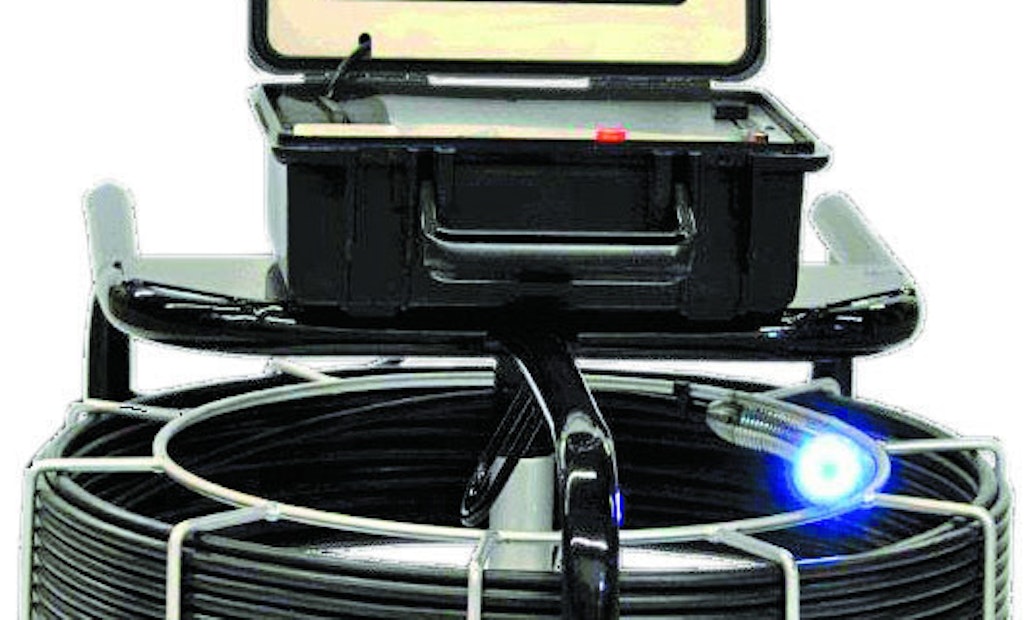
Innovation in sewer inspection technology has been critical to the development of efficient urban infrastructure maintenance. As pipelines age and networks expand, municipalities and contractors face growing challenges in identifying defects and ensuring system integrity. The advancement of camera-based inspection solutions has transformed how these inspections are conducted, and a key driver behind this progress is research and development (R&D) within the sewer camera industry.
How R&D Shapes the Industry
Research and development in sewer camera manufacturing focuses on enhancing image quality, improving mobility, increasing durability, and integrating intelligent software. Manufacturers continually invest in R&D to address the unique challenges of underground pipeline inspection. Companies such as Sewer Camera Manufacturers have played a pivotal role by introducing innovative technologies that combine high-definition imaging, robust construction, and advanced navigation features, enabling inspectors to detect minor issues before they escalate into major problems.
Advancements in Imaging Technology
A central focus of R&D in sewer cameras is the development of high-resolution imaging systems. Modern cameras feature HD and 4K sensors capable of capturing minute details in challenging environments. Precision optics, wide-angle lenses, and adjustable focus mechanisms ensure that even small cracks, corrosion, and blockages are visible. Continuous improvements in imaging technology have significantly increased inspection accuracy and reduced the need for repeated assessments.
Lighting and Visibility Enhancements
Effective illumination is essential for underground inspections, and R&D has driven major improvements in this area. Manufacturers now incorporate high-intensity LED lighting systems that provide consistent illumination without glare or shadows. Adaptive lighting technologies, developed through extensive research, adjust brightness based on pipe diameter, surface reflectivity, and distance from the camera. These innovations allow inspectors to obtain clear visuals in pipes of varying sizes and conditions.
Durability and Structural Innovation
Sewer cameras must withstand harsh operating conditions, including water, chemicals, debris, and mechanical impacts. R&D efforts have led to rugged designs with stainless steel housings, waterproof seals, and scratch-resistant lenses. By enhancing durability, manufacturers reduce equipment downtime and maintenance costs, ensuring that inspection teams can rely on their cameras during extended use in demanding environments.
Flexible Mobility and Cable Innovation
Navigating complex pipeline systems requires both flexibility and strength in camera mobility. Research in cable materials, push rods, and mechanical design has resulted in components that allow smooth maneuverability while maintaining signal integrity. These innovations help cameras traverse long distances, tight bends, and various pipe diameters, enabling comprehensive inspections without disrupting pipeline operations.
Integration of Digital Tools and Software
R&D has also focused on incorporating digital recording, annotation, and analytical tools into sewer camera systems. Advanced software enables inspectors to capture high-resolution images, create detailed reports, and store inspection data for future reference. Additionally, AI-driven software can detect defects, measure pipe conditions, and identify trends, transforming inspection data into actionable insights for maintenance planning and resource allocation.
Real-Time Monitoring and Remote Access
Recent R&D initiatives have expanded the capabilities of sewer cameras to include real-time monitoring and wireless connectivity. Operators can stream live footage to remote locations, enabling collaborative assessments and faster decision-making. This innovation supports emergency interventions, reduces inspection time, and increases the overall efficiency of municipal and industrial pipeline management.
The Future Impact of R&D in Sewer Cameras
The continuous investment in research and development by sewer camera manufacturers is shaping the future of pipeline inspection. Innovations in imaging, lighting, durability, mobility, and software intelligence ensure that inspections are more accurate, efficient, and safe. As urban infrastructure networks grow and age, R&D will remain a critical factor in developing technologies that allow municipalities and contractors to maintain reliable and sustainable sewer systems effectively.
