

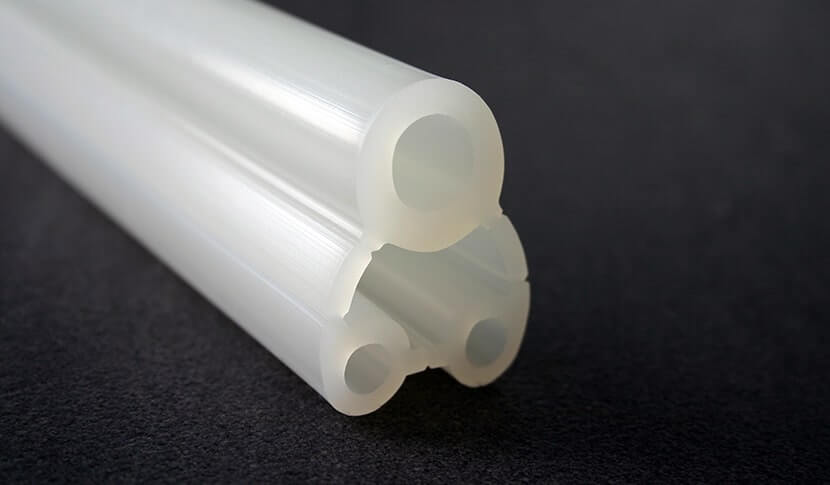
Introduction to Medical Grade Tubing
Medical grade tubing is a crucial component in modern healthcare, playing an essential role in drug delivery and fluid transfer systems. From intravenous therapy and infusion pumps to dialysis machines and laboratory fluid handling, medical tubing ensures the accurate, safe, and efficient transport of medications, saline solutions, and biological fluids. The quality and reliability of tubing directly impact patient safety and the effectiveness of treatments, making the selection of high-grade materials critical.
High-quality Medical Grade Tubing is engineered to meet stringent regulatory standards, including FDA and ISO certifications. This ensures biocompatibility, chemical stability, sterilization compatibility, and mechanical durability, all of which are essential for maintaining the integrity of drug delivery and fluid transfer systems.
Biocompatibility and Patient Safety
Biocompatibility is one of the defining features of medical grade tubing. Tubing must be non-toxic, chemically inert, and safe for direct contact with human tissues, blood, and medications. Biocompatible tubing minimizes the risk of allergic reactions, irritation, or contamination, which is critical in intravenous therapy, catheters, and other fluid delivery systems.
Using non-compliant tubing can result in serious adverse effects for patients, including infections or medication degradation. Medical grade tubing ensures that fluids maintain their purity and efficacy, providing a safe pathway from storage systems to the patient’s bloodstream or targeted treatment site.
Precision and Flow Control in Drug Delivery
Drug delivery systems require precise control over fluid flow to ensure accurate dosing. Medical grade tubing is designed to maintain consistent internal diameters and smooth internal surfaces, reducing the risk of turbulence, backflow, or blockages. This consistency is crucial for applications like infusion pumps, where even minor variations in flow can impact treatment effectiveness.
Additionally, flexible tubing allows seamless integration with medical devices, accommodating complex pathways without kinking or collapsing. This ensures that medications are delivered reliably, even in critical care environments where timing and dosage are vital.
Chemical Resistance and Compatibility
Medical grade tubing must be chemically stable and compatible with a wide range of substances, including medications, saline solutions, nutritional fluids, and laboratory reagents. Tubing that reacts with these substances can cause degradation, contamination, or changes in fluid composition, which may compromise treatment outcomes.
High-quality tubing resists degradation from acids, bases, solvents, and other chemicals, ensuring that fluids remain safe and effective. This chemical resistance is essential in drug delivery systems, where maintaining the integrity of sensitive medications is crucial for patient health.
Sterilization and Infection Control
Medical environments require strict adherence to infection control standards. Medical grade tubing is compatible with multiple sterilization methods, including autoclaving, gamma radiation, ethylene oxide, and chemical sterilants. This allows tubing to be reused safely while maintaining sterility and structural integrity.
Sterilization resistance ensures that tubing remains safe and reliable even after repeated use. In drug delivery systems, this feature reduces the risk of contamination, supports aseptic procedures, and minimizes the chance of hospital-acquired infections, enhancing overall patient safety.
Mechanical Durability and Reliability
Medical grade tubing is designed to withstand mechanical stress, including bending, stretching, and repeated use. Durable tubing ensures uninterrupted fluid flow and prevents leaks, ruptures, or blockages that could interrupt critical treatments.
This mechanical reliability is particularly important in long-term drug delivery systems, such as continuous intravenous therapy, dialysis, or parenteral nutrition. Tubing that maintains its integrity over time reduces maintenance needs, enhances operational efficiency, and supports consistent patient care.
Transparency and Monitoring Benefits
Many medical grade tubes are manufactured with transparent or semi-transparent walls, allowing healthcare professionals to visually monitor fluid flow. This transparency enables quick detection of air bubbles, blockages, or irregular flow, which is essential for drug delivery systems that require precise dosing and timing.
Visual monitoring provides an additional safety layer, allowing medical staff to respond promptly to issues and ensuring that treatments are administered accurately and effectively.
Applications in Healthcare and Laboratory Settings
Medical grade tubing is used extensively in drug delivery and fluid transfer systems across various healthcare and laboratory applications:
- Intravenous Therapy: Delivers medications, fluids, and blood products safely and accurately.
- Infusion Pumps: Maintains controlled fluid flow for precise dosing.
- Dialysis Systems: Facilitates the transfer of blood and dialysis solutions while maintaining sterility.
- Biopharmaceutical Laboratories: Transfers reagents and cell culture media safely.
- Respiratory Devices: Supports airflow in oxygen therapy and ventilators.
The versatility of medical grade tubing makes it indispensable in both clinical and laboratory environments, supporting reliable and efficient healthcare operations.
Conclusion
Medical grade tubing plays a vital role in drug delivery and fluid transfer systems by combining biocompatibility, chemical resistance, sterilization compatibility, mechanical durability, and transparency. Its use ensures patient safety, accurate dosing, and efficient operation of medical devices, from intravenous therapy to dialysis and laboratory fluid handling.
Selecting high-quality medical grade tubing that meets regulatory standards is essential for healthcare providers and laboratories. By prioritizing tubing quality, healthcare facilities can improve treatment accuracy, reduce the risk of contamination, and enhance the overall efficiency and reliability of medical procedures.
