

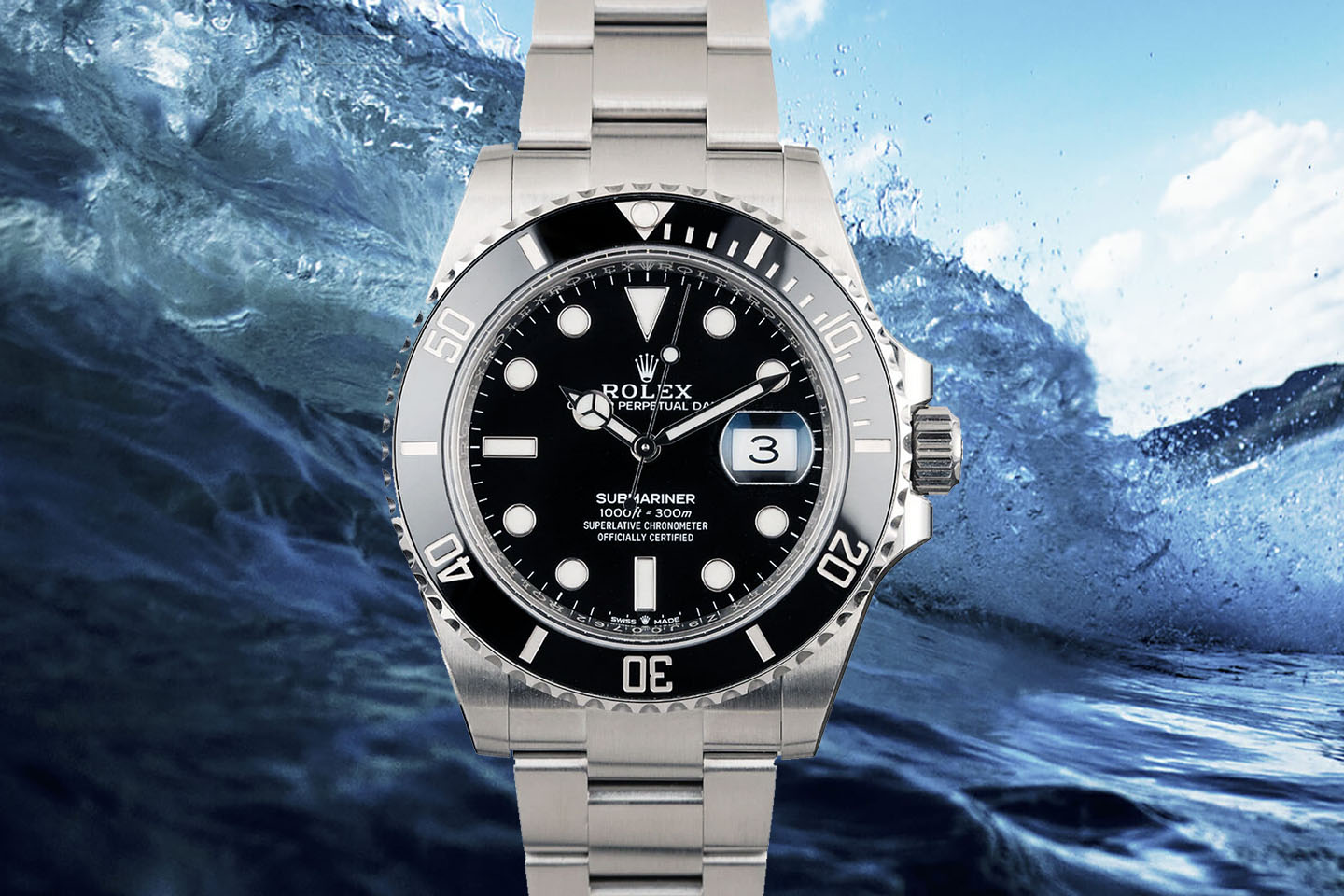
Super clone Rolex watches have attracted significant attention due to their ability to replicate the look and feel of genuine Rolex timepieces. While visually impressive, the production of these watches is influenced by several price-related factors that determine both quality and market positioning. Understanding these factors helps buyers appreciate why some replicas command higher prices while others are more affordable.
High-quality super clone watches aim to balance craftsmanship, mechanical fidelity, and material authenticity, all of which contribute to production costs and ultimately affect the retail price.
Material Selection and Costs
One of the primary factors influencing production price is the selection of materials. Top-tier super clone Rolex watches use stainless steel alloys, gold plating, and ceramic components designed to closely match the originals. Authentic-looking dials, hands, and luminescent materials add to the complexity and cost.
Lower-quality replicas may reduce costs by using inferior alloys, acrylic crystals, or less precise finishing. These choices affect durability, aesthetics, and overall wear experience. Platforms such as Super Clone Rolex Watches demonstrate how high-end replicas employ premium materials to achieve visual and tactile fidelity, justifying their higher price points.
Movement Complexity
Mechanical movement is another critical factor affecting production cost. High-quality super clones replicate Rolex calibers, incorporating functioning complications, smooth hand sweeps, and reliable power reserves. Manufacturing or sourcing these movements with precision increases costs significantly.
Entry-level replicas may utilize simplified quartz or low-tier automatic movements to reduce expenses, resulting in lower accuracy, less refined operation, and reduced longevity. Buyers paying attention to movement quality should recognize the correlation between mechanical fidelity and production price.
Craftsmanship and Assembly
Labor and craftsmanship play a substantial role in price determination. The meticulous assembly of super clone Rolex watches requires skilled technicians capable of replicating fine details, including case polishing, bezel alignment, dial finishing, and bracelet articulation. Each stage demands precision to ensure that the watch closely mirrors the appearance and feel of a genuine Rolex.
High-quality craftsmanship increases production costs due to labor intensity and the need for rigorous quality control. Lower-tier replicas often compromise on these aspects, which can result in uneven finishes, misaligned components, or reduced functional reliability.
Research and Development
Top-tier super clone manufacturers invest in research and development to accurately reproduce new Rolex models. This includes studying the dimensions, materials, and movement characteristics of authentic watches. The R&D process involves prototyping, testing, and refining components to achieve optimal performance, which significantly affects production costs.
By contrast, lower-priced replicas often skip extensive R&D, relying on existing molds and older designs. While these watches may look similar, they generally lack the nuanced detailing found in premium super clone models.
Quality Control and Testing
Quality control measures are essential to ensure consistency across super clone Rolex watches. Each watch undergoes inspection for movement accuracy, case finishing, bracelet articulation, and functional reliability. High-tier replicas may also undergo water resistance testing, luminescence verification, and stress tests.
Implementing these procedures requires investment in skilled labor, tools, and equipment, directly impacting the price. Lower-cost replicas typically perform minimal quality checks, which can result in higher variability and potential flaws.
Brand Perception and Market Positioning
Although super clone watches are replicas, manufacturers often position high-quality models as premium offerings within the replica market. Pricing reflects not only production costs but also perceived value. Watches that closely replicate popular Rolex models or incorporate advanced materials are marketed at higher prices to reflect their quality and desirability.
Consumers seeking closer replication, mechanical fidelity, and better finishing should expect to pay more, as these factors are built into production and pricing strategies.
Conclusion
Price factors that influence super clone Rolex watch production include material selection, movement complexity, craftsmanship, research and development, quality control, and market positioning. High-quality replicas invest in superior components, precise assembly, and thorough testing to achieve a level of fidelity that justifies higher prices. Understanding these factors helps buyers make informed decisions, appreciating the relationship between production investment and the performance, durability, and aesthetic appeal of super clone watches.
