

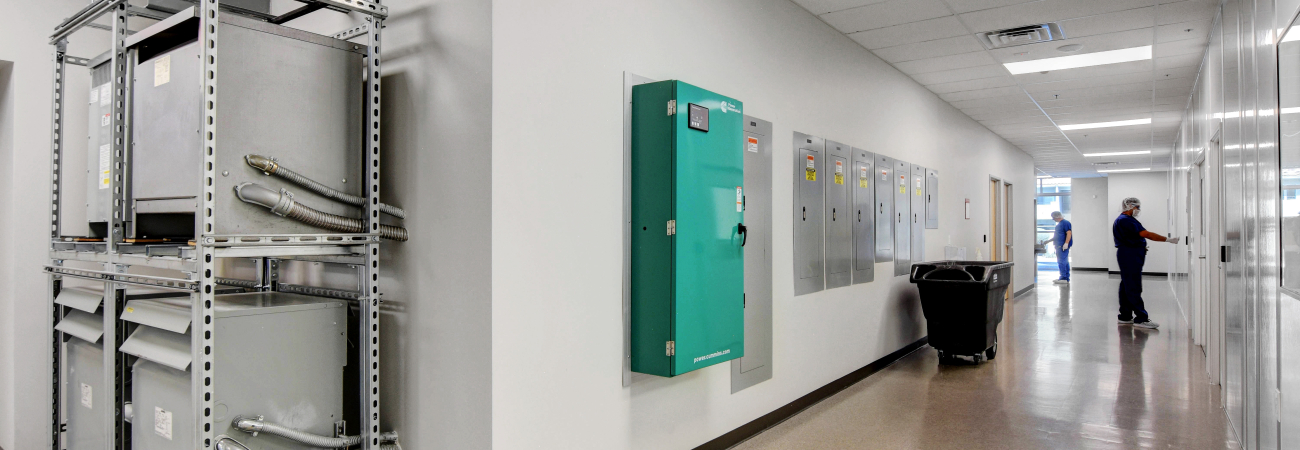
ISO 8 cleanrooms are controlled environments designed to maintain moderate levels of airborne particle contamination. They are widely used in industries such as pharmaceuticals, biotechnology, medical device manufacturing, and electronics assembly. While ISO 8 cleanrooms allow higher particle concentrations than stricter cleanrooms, maintaining proper personnel gowning practices is essential to minimize contamination and ensure the integrity of products and processes.
Personnel are one of the primary sources of contamination in cleanrooms. Clothing fibers, skin flakes, hair, and respiratory droplets can contribute significantly to airborne particulate levels. Therefore, adherence to established gowning procedures is a fundamental component of cleanroom management. For comprehensive guidance on ISO 8 cleanroom operational standards and gowning protocols, resources such as the ISO 8 Clean Room Requirements provide detailed instructions on clothing materials, gowning sequences, and contamination control practices.
Objectives of Gowning in ISO 8 Cleanrooms
The primary objective of gowning in ISO 8 cleanrooms is to reduce the release of particles and microorganisms from personnel. Gowning also protects the environment from potential contamination brought in on clothing or personal items. Specific objectives include:
- Minimizing Particle Shedding: Proper garments cover exposed skin and clothing, preventing fibers, hair, and skin flakes from entering the cleanroom.
- Maintaining Air Quality: Gowning helps maintain particle concentrations within ISO 8 limits, supporting consistent airflow and filtration performance.
- Protecting Products and Processes: Effective gowning reduces the risk of contamination that could compromise sensitive pharmaceutical, medical, or electronic processes.
- Supporting Compliance: Regulatory standards often require documented gowning protocols to ensure personnel adhere to cleanroom contamination control practices.
Types of Gowning and Materials
ISO 8 cleanrooms use gowning systems that balance protection, comfort, and ease of use. Common gowning items include:
- Coveralls or Lab Coats: Made from non-shedding, low-lint materials such as polyester or polypropylene blends, these garments cover the torso, arms, and legs. Full-body coveralls are often used when personnel activities generate higher particle loads.
- Gloves: Nitrile or latex gloves protect both the product and personnel. Gloves prevent the transfer of skin oils and particles and must be changed frequently to maintain cleanliness.
- Face Masks: Masks prevent respiratory droplets from contaminating the cleanroom environment. They are essential in reducing microbial contamination from talking, coughing, or breathing.
- Hair Covers and Beard Covers: These cover all hair, including facial hair, preventing hair and dandruff from contaminating the cleanroom.
- Shoe Covers or Cleanroom Boots: Footwear covers prevent dirt and particles from being introduced via shoes. Some cleanrooms use dedicated cleanroom shoes with non-shedding soles for enhanced protection.
Materials used in ISO 8 cleanroom garments must be smooth, non-porous, and resistant to particle shedding. Garments should also withstand routine cleaning and disinfection without degrading performance.
Proper Gowning Procedures
Effective gowning procedures ensure that garments are worn correctly and minimize contamination during the process. Key steps typically include:
- Hand Hygiene: Personnel must wash and sanitize hands before donning gloves to reduce particle transfer.
- Sequential Donning: Gowning usually follows a specific sequence, starting with inner garments such as coveralls or lab coats, followed by gloves, face masks, hair covers, and shoe covers. This order ensures that exposed areas are covered before handling sensitive materials.
- Inspection: Garments should be inspected for damage, tears, or contamination before use. Defective items must be replaced immediately.
- Minimizing Contact: While donning, personnel should avoid touching clean surfaces or garments with ungloved hands to prevent contamination.
- Gowning Room Protocols: ISO 8 cleanrooms often use gowning rooms or airlocks, allowing personnel to don garments in a controlled environment that prevents contaminants from entering the main cleanroom area.
Training and Compliance
Personnel training is critical for effective gowning practices. Employees should understand the importance of gowning, the correct sequence for donning garments, and proper handling procedures. Ongoing training and periodic audits ensure compliance with cleanroom protocols and reinforce the importance of contamination control. Clear signage, checklists, and supervision can also improve adherence to gowning standards.
Maintenance and Garment Lifespan
Cleanroom garments must be regularly inspected, cleaned, or replaced to maintain performance. Reusable garments require proper laundering using approved procedures to remove particles and microbial contaminants. Disposable garments should be replaced after each use or when they show signs of wear. Proper storage of cleanroom garments in controlled environments prevents contamination before use.
Conclusion
Personnel gowning is a critical component of ISO 8 cleanroom management. Proper selection of gowning materials, adherence to sequential donning procedures, and ongoing personnel training help minimize contamination risks and maintain particle concentrations within ISO standards. By implementing effective gowning protocols, organizations can protect sensitive processes, ensure product quality, and comply with regulatory requirements. Proper gowning practices, combined with environmental control and operational monitoring, form the foundation of a well-functioning ISO 8 cleanroom.
