

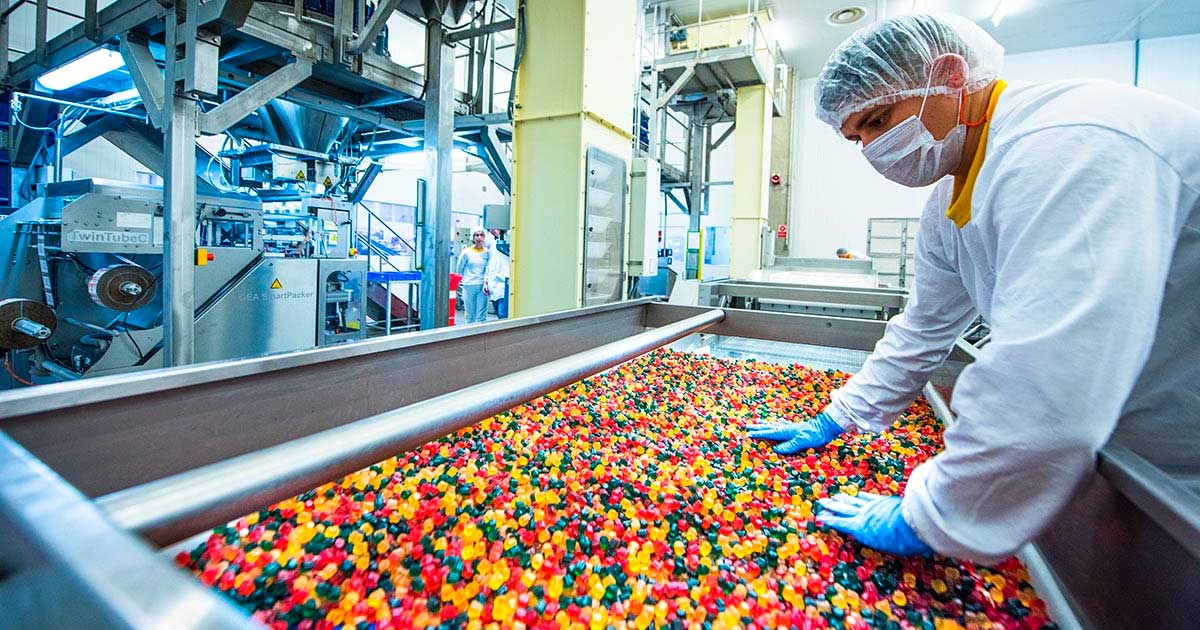
Jelly candy production is a delicate process that requires precision, hygiene, and reliable machinery. A well-maintained jelly candy making machine ensures consistent product quality, reduces downtime, and extends the equipment’s lifespan. Whether operating a small-scale setup or a large commercial production line, proper maintenance practices are essential to protect your investment and maintain operational efficiency. Understanding routine care, cleaning procedures, and troubleshooting methods will help manufacturers optimize production while minimizing costly disruptions.
Investing in a modern Jelly Candy Making Machine is only the first step in efficient candy production. The longevity and performance of the machine depend heavily on how it is maintained. Regular care prevents mechanical failures, maintains hygiene standards, and ensures that candies are produced with uniform texture, shape, and flavor. This article provides a comprehensive guide on maintenance and care strategies for jelly candy making machines.
Daily Cleaning Procedures
Cleaning the jelly candy making machine is a critical maintenance step to prevent contamination and ensure consistent candy quality. Residues from sugar, gelatin, and flavorings can accumulate, leading to bacterial growth or sticky buildup.
- Disassemble Key Components: Remove molds, depositing nozzles, and mixing paddles for thorough cleaning.
- Use Food-Grade Cleaning Agents: Apply approved detergents to clean all surfaces that come into contact with the candy mass.
- Rinse and Dry Thoroughly: Ensure that all detergent residues are removed and components are completely dry before reassembly.
- Sanitize Equipment: Apply food-safe sanitizers to molds, cooling tunnels, and mixing chambers to meet hygiene standards.
Daily cleaning not only prevents contamination but also reduces the likelihood of mechanical issues caused by hardened candy residues.
Lubrication and Mechanical Maintenance
Mechanical components of a jelly candy making machine, such as motors, gears, and bearings, require regular lubrication to operate smoothly. Neglecting these parts can lead to increased wear, overheating, and eventual failure.
- Use Manufacturer-Recommended Lubricants: Avoid using oils or greases that are not approved for food processing equipment.
- Lubricate Moving Parts Regularly: Bearings, chains, and gear mechanisms should be lubricated according to the machine’s operation schedule.
- Check Belt Tension and Alignment: Proper alignment reduces wear on drive components and ensures smooth operation.
- Inspect Electrical Connections: Regularly check wires, sensors, and control panels for loose connections or corrosion.
Routine mechanical maintenance extends equipment life and ensures that the machine operates at peak efficiency.
Temperature and Calibration Checks
Consistent cooking and cooling are vital for jelly candy quality. Improper temperature control can lead to sticky candies, uneven setting, or caramelization.
- Monitor Heating Systems: Ensure that cookers and mixing chambers maintain the target temperature during production.
- Calibrate Sensors Regularly: Temperature sensors, flow meters, and depositor settings should be calibrated according to the manufacturer’s recommendations.
- Check Cooling Tunnel Performance: Verify airflow, temperature zones, and cooling time to achieve uniform candy firmness.
Regular calibration and temperature monitoring help prevent production errors and maintain consistent candy texture.
Preventive Maintenance Schedule
Preventive maintenance involves scheduled inspections and part replacements to avoid unexpected downtime. A well-planned schedule ensures that all critical components are checked before problems occur.
- Weekly Inspections: Examine seals, gaskets, belts, and molds for wear or damage.
- Monthly Maintenance: Inspect motors, heating elements, and cooling systems for signs of degradation.
- Record Maintenance Activities: Maintain a log of cleaning, lubrication, calibration, and inspections to track equipment health.
Preventive maintenance reduces repair costs and increases the reliability of the production line.
Troubleshooting Common Issues
Even with proper maintenance, minor issues can arise. Being able to identify and address problems quickly minimizes downtime.
- Inconsistent Candy Shape: Check depositor alignment, mold condition, and mixture viscosity.
- Sticking or Deformed Candies: Ensure molds are properly lubricated, cooling tunnels are functioning, and gelatin ratios are accurate.
- Machine Vibrations or Noise: Inspect bearings, motor mounts, and belt tension to prevent further damage.
- Temperature Fluctuations: Verify sensor calibration and heating element function.
Addressing these issues promptly prevents production delays and maintains product quality.
Operator Training and Safety
Proper operator training is a vital aspect of machine maintenance. Employees should understand how to clean, inspect, and operate the machine safely.
- Follow Manufacturer Guidelines: Ensure operators adhere to recommended procedures for cleaning, lubrication, and part replacement.
- Use Personal Protective Equipment (PPE): Gloves, aprons, and protective eyewear reduce the risk of injury.
- Educate on Early Warning Signs: Teach operators to recognize unusual noises, vibrations, or temperature deviations that may indicate mechanical problems.
Well-trained operators play a key role in maintaining equipment longevity and preventing accidents.
Conclusion
Proper maintenance and care of a jelly candy making machine are essential for efficient production, consistent candy quality, and long-term operational reliability. Daily cleaning, mechanical lubrication, temperature control, preventive maintenance, and operator training collectively ensure that the machine performs optimally.
A modern Jelly Candy Making Machine combined with a comprehensive maintenance plan allows manufacturers to produce high-quality candies efficiently, reduce downtime, and extend the equipment’s lifespan, making it a valuable investment for any confectionery business.
