

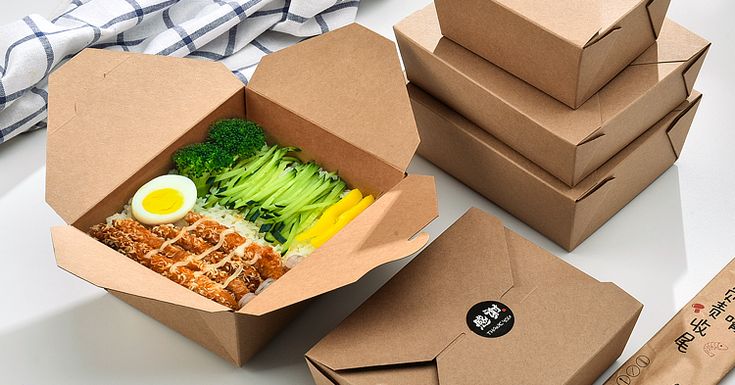
Takeaway boxes are an essential element of modern food service, providing convenience, portability, and protection for meals delivered to customers. Two critical factors that determine the effectiveness of these boxes are leak resistance and structural strength. Properly designed takeaway boxes not only prevent spills and contamination but also maintain the integrity of the meal during transportation. Restaurants, catering services, and delivery platforms rely on these packaging features to ensure customer satisfaction and minimize food waste.
The leak resistance and strength of takeaway boxes depend on the materials used, the design of the box, and the quality of the manufacturing process. High-quality paperboard, cardboard, and food-grade plastics are commonly used to provide durability while maintaining lightweight convenience. Many manufacturers incorporate moisture-resistant coatings, reinforced edges, and secure lids to prevent leaks and maintain structural stability. For businesses looking to source reliable packaging solutions, collaborating with a reputable Takeaway Box Manufacturer ensures access to boxes that combine strength, leak resistance, and functionality for a wide range of meals.
Materials for Strength and Durability
The choice of materials significantly impacts the strength and leak resistance of takeaway boxes. Corrugated cardboard and layered paperboard are popular for their ability to withstand pressure and prevent deformation, even when stacked or transported over long distances. Food-grade plastics, on the other hand, offer flexibility, rigidity, and resistance to moisture and oils. Many modern boxes also use biodegradable or recycled materials with reinforced layers to maintain strength while promoting sustainability. Selecting the right material is essential for supporting heavy meals, preventing spills, and ensuring safe delivery.
Leak-Resistant Coatings and Liners
Leak-resistant coatings are a crucial feature in takeaway boxes designed to hold saucy, oily, or liquid-based foods. Wax, water-based, or biodegradable coatings prevent moisture from penetrating the packaging material, maintaining both the box’s integrity and the quality of the meal inside. Some takeaway boxes also include liners or inserts that act as an additional barrier, ensuring that sauces, gravies, or dressings do not spill or leak. These features are particularly important for items such as curries, salads with dressing, or fried foods, where leaks could compromise hygiene and presentation.
Secure Closures and Lids
Structural strength and leak prevention are further enhanced by well-designed closures and lids. Takeaway boxes often feature interlocking flaps, snap-on tops, or locking tabs that keep the box tightly sealed during transportation. A secure lid not only prevents spills but also protects the meal from external contamination, such as dust or handling. For delivery services, these closures ensure that food arrives intact, minimizing customer complaints and reducing food waste.
Compartmentalized Designs for Stability
Compartmentalized takeaway boxes enhance both leak resistance and structural integrity. By separating wet and dry components, these boxes prevent cross-contamination and maintain the quality of each food item. Compartments also reduce movement of food inside the box, which decreases the risk of spills and preserves presentation. In addition, compartmentalization adds rigidity to the box, supporting heavier items and preventing the box from collapsing during handling.
Stackability and Transportation Strength
Strength in takeaway boxes is essential not only for individual use but also for storage and transportation. Stackable designs allow multiple boxes to be placed on top of each other without crushing the contents. Reinforced edges, sturdy flaps, and flat bottoms contribute to the overall durability, ensuring that the boxes can endure handling in kitchens, delivery vehicles, and storage areas. Stackable and strong boxes improve operational efficiency and make large-volume food service feasible without compromising meal quality.
Environmental Considerations
Modern takeaway boxes increasingly combine leak resistance and strength with environmental responsibility. Biodegradable, compostable, and recycled materials are now widely used to reduce the ecological footprint of disposable packaging. Many eco-friendly boxes incorporate reinforced layers and water-resistant coatings, maintaining durability and functionality while minimizing environmental impact. Choosing sustainable, strong, and leak-resistant boxes supports both operational needs and corporate responsibility goals.
Consumer Convenience and Satisfaction
Ultimately, the design of strong and leak-resistant takeaway boxes enhances customer convenience and satisfaction. Meals arrive intact, without spills, and in an organized manner, making the dining experience more enjoyable. Boxes that maintain their structure and prevent leaks reflect positively on the brand, reinforcing trust and encouraging repeat orders. For delivery services, this is particularly important, as packaging is often the first tangible interaction customers have with the brand.
Conclusion
Leak resistance and structural strength are essential features in takeaway boxes that ensure food safety, hygiene, and customer satisfaction. The use of durable materials, leak-resistant coatings, secure closures, compartmentalization, and stackable designs all contribute to the effectiveness of these boxes. By sourcing high-quality packaging from a trusted Takeaway Box Manufacturer, food service providers can deliver meals that remain intact, fresh, and visually appealing. Well-designed takeaway boxes not only protect the contents but also enhance operational efficiency and strengthen customer trust in a highly competitive food service market.
