

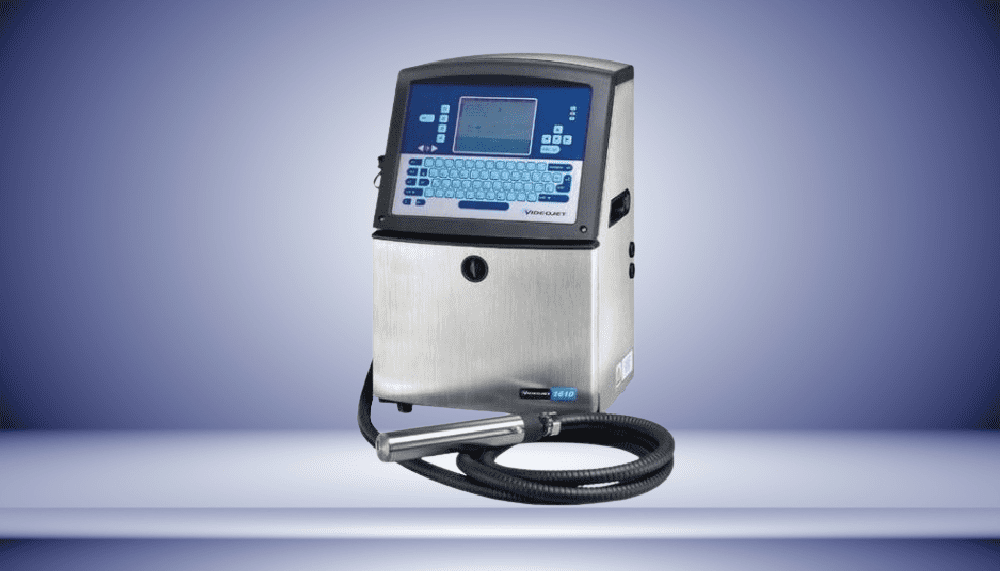
Introduction to Continuous Inkjet Printing Technology
Continuous Inkjet (CIJ) printing technology has been a staple in industrial manufacturing for decades, providing high-speed, precise, and reliable product marking. Traditionally, CIJ printers were valued for their ability to print batch numbers, expiration dates, and barcodes on various substrates without interrupting production lines. However, ongoing technological advancements have transformed CIJ printers into smarter, more versatile systems capable of meeting modern manufacturing demands.
These advancements have significantly improved printer performance, reduced operational costs, and enhanced integration with automated production systems. Manufacturers are increasingly adopting advanced Continuous Inkjet Printer solutions to optimize efficiency, maintain regulatory compliance, and ensure consistent product coding in high-volume production environments.
Enhanced Print Quality and Resolution
One of the most significant advancements in CIJ printer systems is the improvement in print quality and resolution. Modern CIJ printers can produce high-resolution prints with sharper characters, clearer barcodes, and improved readability even on challenging surfaces such as curved, textured, or flexible packaging materials.
Advances in nozzle design, ink formulation, and precision droplet control have enabled manufacturers to achieve consistent and accurate markings at higher production speeds. These enhancements are particularly important for industries such as pharmaceuticals and food and beverage, where legibility and traceability are critical.
Smart Ink Formulations
Recent innovations in ink chemistry have greatly expanded the capabilities of CIJ printers. Advanced ink formulations now provide faster drying times, better adhesion to a wider range of substrates, and improved resistance to smudging, fading, or environmental factors such as moisture and UV exposure.
Eco-friendly and low-solvent inks have also become more common, allowing manufacturers to reduce environmental impact while maintaining high print quality. These new formulations improve both operational efficiency and sustainability, meeting regulatory requirements and corporate environmental goals.
Automation and Integration Capabilities
Integration with automated production systems is another area where CIJ printer technology has advanced. Modern CIJ printers can connect seamlessly with Manufacturing Execution Systems (MES), Enterprise Resource Planning (ERP) software, and other industrial automation platforms.
This integration allows real-time monitoring of print performance, ink usage, and production metrics, enabling manufacturers to detect and resolve issues quickly. Automated adjustments to print parameters and batch coding reduce manual intervention, minimize errors, and increase overall production efficiency. Smart CIJ printers also offer remote monitoring and diagnostics, allowing maintenance teams to manage printers across multiple production lines without physically accessing each machine.
Self-Maintenance and Reliability Features
Reliability and minimal downtime are essential for high-volume manufacturing, and recent CIJ printer advancements have focused on reducing maintenance requirements. Features such as automated cleaning cycles, self-calibration, and predictive maintenance alerts help ensure consistent operation without frequent manual intervention.
Some systems now include self-flushing printheads and ink circulation monitoring, which prevent clogs and maintain stable ink flow. These improvements not only reduce downtime but also extend the operational lifespan of the printer components, resulting in lower maintenance costs over time.
Increased Speed and Throughput
Modern CIJ printers are capable of printing at faster speeds while maintaining high resolution, allowing manufacturers to increase throughput without compromising quality. Advanced jetting technology and optimized nozzle arrangements enable printers to mark multiple lines of text, barcodes, or graphics simultaneously.
The ability to maintain high-speed performance is particularly beneficial in industries such as food and beverage, consumer goods, and electronics, where production volumes are high and deadlines are tight. Faster printing reduces bottlenecks and allows manufacturers to meet market demands more efficiently.
Enhanced User Interfaces and Connectivity
User interfaces have evolved significantly in recent CIJ printer models, providing operators with intuitive touchscreens, easy navigation, and pre-programmed templates. These interfaces reduce training requirements and minimize errors during operation.
Additionally, modern CIJ printers offer enhanced connectivity options, including Ethernet, Wi-Fi, and cloud-based monitoring. This allows manufacturers to collect production data, manage multiple printers centrally, and implement data-driven decision-making processes. Enhanced connectivity supports Industry 4.0 initiatives by enabling smart factories with fully integrated production systems.
Sustainability and Environmental Considerations
Sustainability has become a key focus in recent CIJ printer development. Manufacturers are designing printers that consume less energy, reduce ink waste, and support environmentally friendly ink formulations. These advancements allow companies to meet environmental regulations, reduce operational costs, and align with corporate sustainability goals without sacrificing performance or reliability.
Conclusion
Continuous Inkjet printer systems have evolved significantly, driven by innovations in print quality, ink formulations, automation, reliability, speed, user interfaces, and sustainability. These advancements make modern CIJ printers highly adaptable, efficient, and capable of meeting the complex demands of contemporary manufacturing environments.
By leveraging these technological improvements, manufacturers can achieve higher production throughput, maintain consistent product marking, reduce downtime, and support sustainable operations. The latest CIJ printer systems are more than just marking tools—they are integral components of modern industrial production lines, enabling smart, efficient, and reliable manufacturing practices.
