

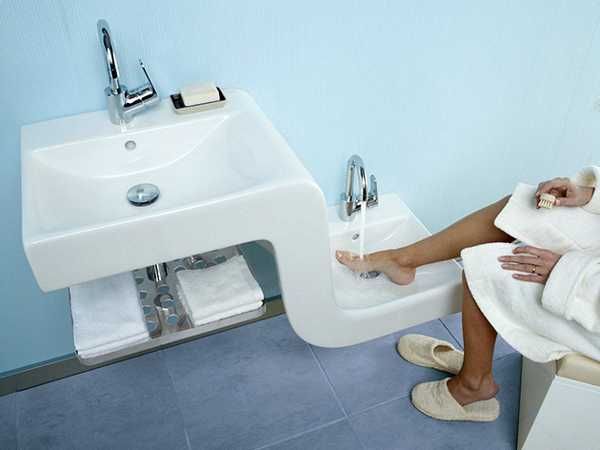
Maintaining hygiene in shared spaces, such as mosques, community centers, and public ablution facilities, is a critical concern. One of the most effective ways to support cleanliness is by installing a Muslim foot washing sink. These sinks are specifically designed to handle the high-traffic requirements of communal wudu areas while ensuring a sanitary environment.
An example of an efficient and modern solution is the Muslim foot washing sink, which combines upper hand and lower foot basins into a single ergonomic unit. By separating hand and foot washing areas and containing water within the basins, this sink prevents splashes and keeps floors dry. Its design is ideal for shared areas where multiple users perform wudu, helping maintain overall cleanliness and reducing maintenance efforts.
Minimizing Water Spillage
Water spillage is a common challenge in shared wudu areas. Uncontained water can create slippery floors, pose safety hazards, and increase cleaning requirements. A properly designed Muslim foot washing sink channels water directly into the drain, reducing overflow and keeping surrounding areas dry. Non-slip surfaces and slightly angled basins further ensure that water remains contained, improving safety and hygiene for all users.
Efficient Use of Space
High-traffic shared areas often require multiple users to perform wudu simultaneously. A compact and well-planned sink layout allows for efficient use of space without crowding. Wall-mounted or corner-mounted designs save floor space, while floor-mounted models provide stability and durability. Proper spacing between sinks ensures smooth movement and minimizes accidental splashing between users, contributing to a cleaner environment.
Durable and Easy-to-Clean Materials
In shared facilities, durability and ease of maintenance are essential. Sinks constructed from solid surfaces or non-porous composites resist staining, corrosion, and bacterial growth. Smooth surfaces are easy to wipe down, while integrated drainage prevents standing water from accumulating. By investing in high-quality materials, facility managers can maintain hygiene standards with minimal effort, even in areas with heavy daily use.
Encouraging Proper Wudu Practices
Providing a dedicated Muslim foot washing sink encourages proper ablution practices among users. When hand and foot washing areas are clearly separated and ergonomically designed, users can complete their wudu efficiently and hygienically. Clear instructions and visual cues near the sink can further reinforce proper practices, reducing the likelihood of water splashes and contamination in shared spaces.
Accessibility and Comfort
Cleanliness in shared areas also depends on accessibility. Ensuring that sinks are at appropriate heights for children, elderly individuals, and wheelchair users allows all community members to perform wudu comfortably and safely. Height-adjustable or ergonomically designed units improve user experience, prevent awkward movements that may cause splashing, and contribute to a tidier environment.
Proper Drainage and Water Management
Effective drainage systems are critical in maintaining cleanliness. A Muslim foot washing sink with well-designed drains prevents water from pooling around the unit, reducing the risk of slippery floors and bacterial buildup. Controlled water flow, combined with low-flow faucets or sensor-activated taps, also minimizes water wastage while keeping the area sanitary.
Maintenance Tips for Shared Areas
Regular cleaning is vital to sustaining a hygienic shared space. Wiping down basins, checking drainage systems, and ensuring non-slip surfaces remain effective are key maintenance tasks. Facilities should also periodically inspect faucets and plumbing connections to prevent leaks or water accumulation, keeping the wudu area clean and safe for all users.
Conclusion
A Muslim foot washing sink is an essential addition to shared ablution spaces, promoting cleanliness, safety, and efficiency. By minimizing water spillage, providing durable and easy-to-clean materials, supporting proper wudu practices, and ensuring accessibility, these sinks help maintain hygienic environments for all users. Thoughtful installation and regular maintenance further enhance the functionality of communal areas, creating a clean, organized, and welcoming space for daily ablution.
