

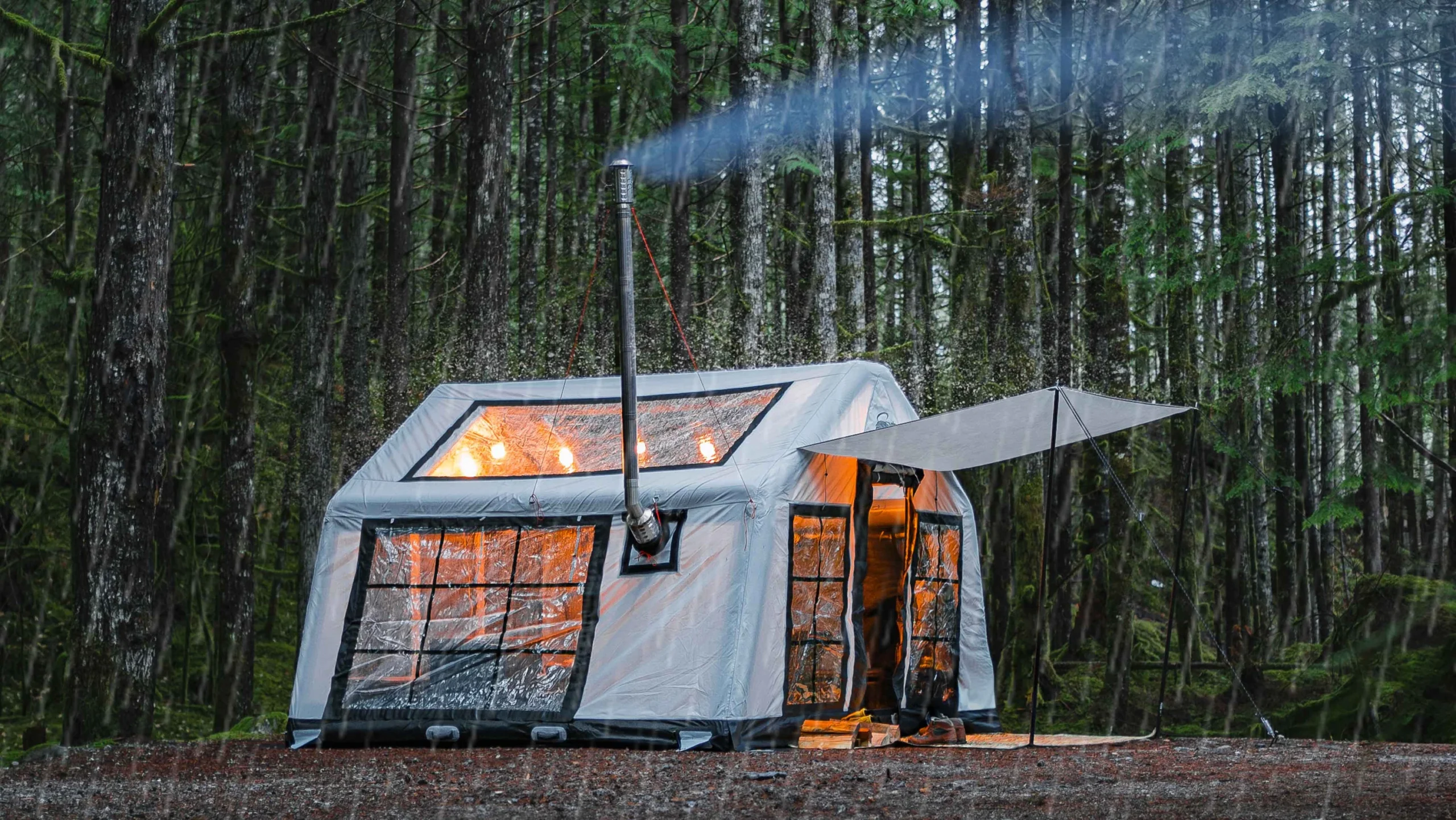
Inflatable tents have evolved far beyond basic temporary shelters. Today, they are widely used for exhibitions, sporting events, emergency relief, military operations, hospitality, and brand promotions. One of the key reasons for their growing popularity is the high level of customization available. Modern inflatable tents can be tailored to meet specific functional, aesthetic, and environmental requirements, making them suitable for a wide range of applications. Understanding these customization capabilities helps buyers choose solutions that align perfectly with their operational needs.
As demand grows, manufacturers continue to expand their design and production flexibility. Businesses and organizations often evaluate different Inflatable Tent Manufacturers to compare customization options, production quality, and technical expertise, and resources such as Inflatable Tent Manufacturers provide useful insights into industry leaders and their capabilities. Customization is not limited to appearance alone; it spans structure, materials, functionality, and performance characteristics.
Structural Design Customization
One of the most significant customization options lies in structural design. Inflatable tents can be manufactured in various shapes and configurations, including dome tents, tunnel tents, arch structures, cube designs, and modular systems. Dimensions can be adjusted to suit small promotional booths or large-scale operational shelters. Manufacturers can also modify ceiling height, internal layout, and entry points to accommodate equipment, crowds, or specialized activities. Modular designs allow multiple tents to be connected, creating expandable spaces that can adapt to changing requirements.
Material and Fabric Options
Material selection is another area where customization plays a crucial role. Depending on the intended use, manufacturers offer different fabric types such as PVC-coated polyester, TPU, or multi-layer insulated materials. These options vary in weight, durability, and resistance to weather conditions. Customization may include enhanced UV protection for outdoor use, reinforced abrasion resistance for rough terrain, or insulated layers for extreme temperatures. Fire-retardant and anti-mold treatments can also be applied to meet safety regulations and environmental challenges.
Branding and Visual Customization
Inflatable tents are widely used as marketing and branding tools, making visual customization especially important. Manufacturers offer full-color digital printing, logo placement, and custom graphic designs across the tent surface. Clients can choose specific color schemes, patterns, and finishes that align with brand identity. Transparent or tinted windows, custom lighting integration, and unique exterior textures further enhance visual impact. These branding options transform inflatable tents into eye-catching structures that attract attention in crowded environments.
Functional Feature Customization
Beyond appearance, inflatable tents can be customized with a variety of functional features. Manufacturers can incorporate doors, windows, ventilation systems, and internal partitions based on usage needs. Electrical cable ports, lighting hooks, HVAC connections, and flooring systems are commonly added for exhibitions or command centers. For emergency or medical applications, tents can be designed with separate zones, hygiene-compatible surfaces, and controlled airflow systems. Each functional element is positioned to maintain structural balance and ease of use.
Environmental and Performance Adaptations
Customization also extends to performance under specific environmental conditions. Inflatable tents can be engineered to withstand high winds, heavy rain, snow loads, or intense sunlight. Reinforced anchor points, additional air chambers, and pressure relief valves improve stability and safety. For use in remote or harsh environments, manufacturers may offer lightweight designs for easier transport or enhanced airtightness for long-term deployment. These adaptations ensure reliable performance regardless of location or climate.
Accessory and Support Customization
Manufacturers often provide customized accessory packages to complement inflatable tents. These may include manual or electric air pumps, anchoring systems, ballast options, repair kits, and storage bags designed to fit specific tent models. User manuals, maintenance guides, and training support can also be customized for organizational use. In some cases, manufacturers offer ongoing technical support or spare parts programs to ensure long-term usability.
Compliance and Certification Options
For many buyers, regulatory compliance is essential. Inflatable tents can be customized to meet regional or industry-specific standards related to fire safety, material toxicity, or structural performance. Manufacturers may provide certification documentation and testing reports as part of the customization process. This is particularly important for public events, military use, and emergency response operations where safety compliance is mandatory.
Conclusion
Customization capabilities are a defining strength of modern inflatable tent manufacturing. From structural design and materials to branding, functionality, and environmental performance, manufacturers offer a wide range of options to meet diverse needs. These tailored solutions allow inflatable tents to serve as practical shelters, professional workspaces, or powerful marketing tools. By understanding the full scope of customization available, buyers can make informed decisions and invest in inflatable tents that deliver optimal performance, durability, and value for their specific applications.
