

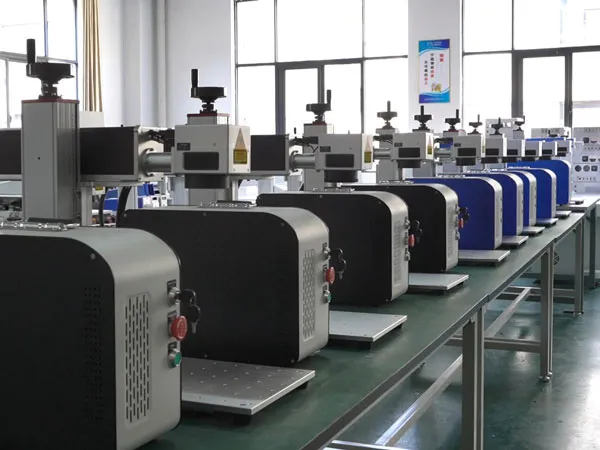
In today’s fast-paced manufacturing environment, accurate and efficient product marking is essential for ensuring compliance, traceability, and quality control. A Small Character Inkjet Printer offers an effective solution for businesses looking to automate coding and marking processes. However, choosing the right printer for your specific production needs requires careful consideration of various factors, including material compatibility, production speed, and desired features.
Working with a trusted Small Character Inkjet Printer provider ensures that your business selects a model suited for its operational requirements. Experienced manufacturers can guide you in understanding different printer technologies, ink types, and integration options, helping you make an informed decision that optimizes efficiency and reduces operational errors.
Assess Your Production Needs
The first step in choosing the right small character inkjet printer is evaluating your production requirements. Consider the types of products you manufacture, their materials, and the surfaces that need to be marked. Products with irregular, curved, or textured surfaces may require printers with adjustable print heads or specialized ink formulations. Additionally, determine the volume of production and the speed of your assembly line, as these factors will influence the printer’s throughput capabilities and required features.
Evaluate Ink Types and Compatibility
Different ink formulations are designed for specific applications. Solvent-based inks are ideal for marking on metals, plastics, and glass, offering durability and resistance to abrasion or chemicals. Water-based inks are suitable for paper and cardboard packaging, while UV-curable inks provide quick drying and permanent marks. Selecting a printer that uses compatible ink types ensures clear, legible markings that withstand environmental conditions and comply with industry standards.
Consider Printing Capabilities and Features
Small character inkjet printers vary in terms of resolution, print size, and the types of codes they can produce. Evaluate whether the printer can handle the required text, batch numbers, expiration dates, barcodes, or QR codes. Additional features, such as automatic date and time coding, programmable templates, and multi-line printing, can significantly enhance efficiency. Choosing a printer with the necessary capabilities ensures that your marking requirements are met consistently across all products.
Integration with Production Lines
For maximum efficiency, the inkjet printer should integrate seamlessly with existing production line automation. Consider printers with features such as real-time data input, connectivity to conveyor systems, and compatibility with robotic arms. Integration reduces manual handling, minimizes errors, and enables continuous production, increasing overall throughput. Automated workflows also allow operators to focus on other critical tasks, such as quality control and machine maintenance.
Maintenance and Reliability
Selecting a printer that is easy to maintain and reliable is critical for minimizing downtime and operational costs. Look for models with self-cleaning print heads, automated calibration, and intuitive software interfaces. Regular maintenance, including ink replacement and periodic cleaning, ensures consistent performance and prolongs the printer’s lifespan. A reliable machine reduces unexpected interruptions, enhances production efficiency, and provides peace of mind for business owners.
Budget Considerations
While it is important to invest in a printer that meets your technical requirements, budget considerations also play a role in the selection process. Evaluate the total cost of ownership, including initial purchase price, consumables such as ink and cleaning supplies, maintenance, and potential downtime. Investing in a high-quality printer may involve higher upfront costs but often results in long-term savings through improved efficiency and reduced errors.
Training and Support
Operators should be trained to handle, operate, and troubleshoot the printer effectively. Choosing a supplier that offers comprehensive training, technical support, and access to spare parts ensures that your business can maximize the printer’s performance. Adequately trained staff can prevent misprints, reduce maintenance issues, and ensure consistent output quality.
Conclusion
Choosing the right small character inkjet printer is a strategic decision that can significantly impact production efficiency, product traceability, and compliance. By assessing production needs, evaluating ink compatibility, considering integration and maintenance requirements, and factoring in budget and support, businesses can select a printer that meets their long-term operational goals. A well-chosen printer enables consistent, accurate, and reliable product marking, streamlining production processes and enhancing overall business performance.
