

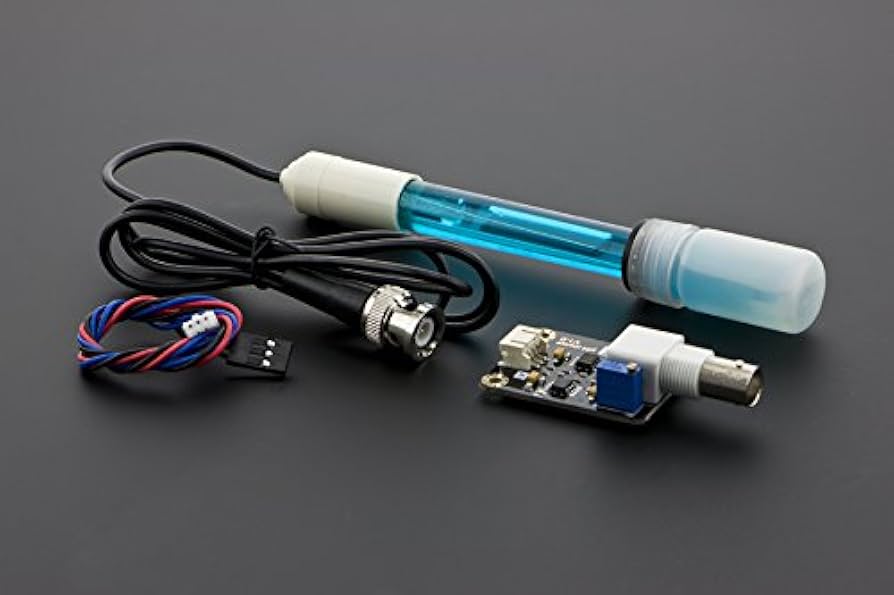
Water treatment facilities play a critical role in ensuring safe and clean water reaches homes, industries, and communities. Monitoring water quality involves tracking several parameters, and among them, pH is one of the most fundamental. pH levels influence chemical reactions, disinfection efficiency, and the safety of the distribution system. For this reason, having accurate and reliable monitoring tools has become essential for modern treatment operations.
One of the most valuable instruments these facilities rely on is a pH Sensor for Water, which enables operators to measure acidity or alkalinity in real time. Integrating this type of sensor into treatment processes helps maintain regulatory compliance, improve safety, and optimize the use of chemicals. Since pH conditions can fluctuate due to environmental factors, incoming contaminants, or operational changes, continuous monitoring provides an essential layer of protection.
Ensuring Accurate Chemical Dosing
Many treatment processes depend on precise chemical dosing to achieve the desired water quality. Coagulation, disinfection, and corrosion control all require tightly controlled pH levels. If the pH is too high or too low, chemicals may not perform as expected, leading to inefficiencies and potential health concerns. By constantly monitoring pH, treatment facilities can adjust chemical inputs automatically or manually, improving process stability and reducing waste.
Accurate dosing also minimizes operational costs. Chemicals used for treatment are expensive, and overuse can strain budgets. Real-time pH data helps optimize dosing and prevents unnecessary consumption.
Enhancing the Effectiveness of Disinfection
The effectiveness of disinfectants such as chlorine is directly influenced by pH. At higher pH levels, disinfectants become less effective, allowing microorganisms to survive longer in the system. This poses risks to public health and may lead to regulatory violations. With continuous pH monitoring, operators can quickly identify shifts that compromise disinfection efficiency and take corrective action.
Maintaining the correct pH also helps reduce harmful by-products that can form when disinfectants react with organic matter under unstable conditions. This improves both water safety and compliance.
Supporting Corrosion Control in Pipelines
Corrosion is a major concern for water treatment facilities and distribution networks. Acidic water can cause pipes to corrode, releasing metals such as copper and lead into the supply. This not only damages infrastructure but also creates significant public health risks. Monitoring pH allows facilities to maintain conditions that reduce corrosion potential, protecting both consumers and equipment.
Stable pH contributes to longer infrastructure lifespan, fewer repairs, and lower maintenance costs. Avoiding corrosion-related damage is a major benefit for municipal systems and large-scale facilities.
Improving Process Efficiency and Reliability
Modern facilities rely on automation and continuous data collection to improve operational efficiency. A reliable pH sensor provides real-time data that helps operators monitor system performance without manual testing. This improves reliability, especially during peak operations or unexpected fluctuations in incoming water quality.
Automated systems connected to pH sensors can make immediate adjustments to maintain stability, reducing operator workload and enhancing precision. The result is a smoother, more predictable treatment process.
Early Detection of Contamination Events
Sudden changes in pH may indicate contamination, chemical imbalance, or malfunction within the system. Early detection is essential for preventing water quality issues before they reach consumers. Continuous pH monitoring provides an early-warning mechanism that alerts staff to abnormalities, allowing for fast investigation and corrective action.
This proactive approach helps prevent regulatory violations, public health concerns, and costly emergency responses.
Supporting Environmental Compliance
Water treatment facilities operate under strict regulations designed to protect both human health and the environment. Maintaining acceptable pH levels is a standard requirement for treated water leaving the plant. Long-term monitoring provides documentation of compliance and helps facilities avoid fines or penalties.
Additionally, for wastewater treatment operations, accurate pH monitoring ensures that discharged water does not harm aquatic ecosystems or damage receiving bodies of water.
Reducing Manual Labor and Operational Burden
Traditional pH testing requires frequent sampling and manual analysis. In busy treatment facilities, this approach is time-consuming and increases the risk of human error. Automated pH monitoring reduces the need for manual intervention and allows staff to focus on higher-level tasks such as system optimization and preventive maintenance.
Continuous monitoring also creates a comprehensive dataset that can be used for reporting, analysis, and long-term planning.
Conclusion
A high-quality pH monitoring system brings significant benefits to water treatment facilities by supporting chemical dosing accuracy, improving disinfection performance, preventing corrosion, and enhancing overall process efficiency. With real-time data and reliable measurement capabilities, pH sensors help treatment plants maintain safe, stable, and regulatory-compliant operations. As water systems continue to evolve, integrating advanced pH monitoring technology remains essential for achieving consistent and reliable water quality.
