

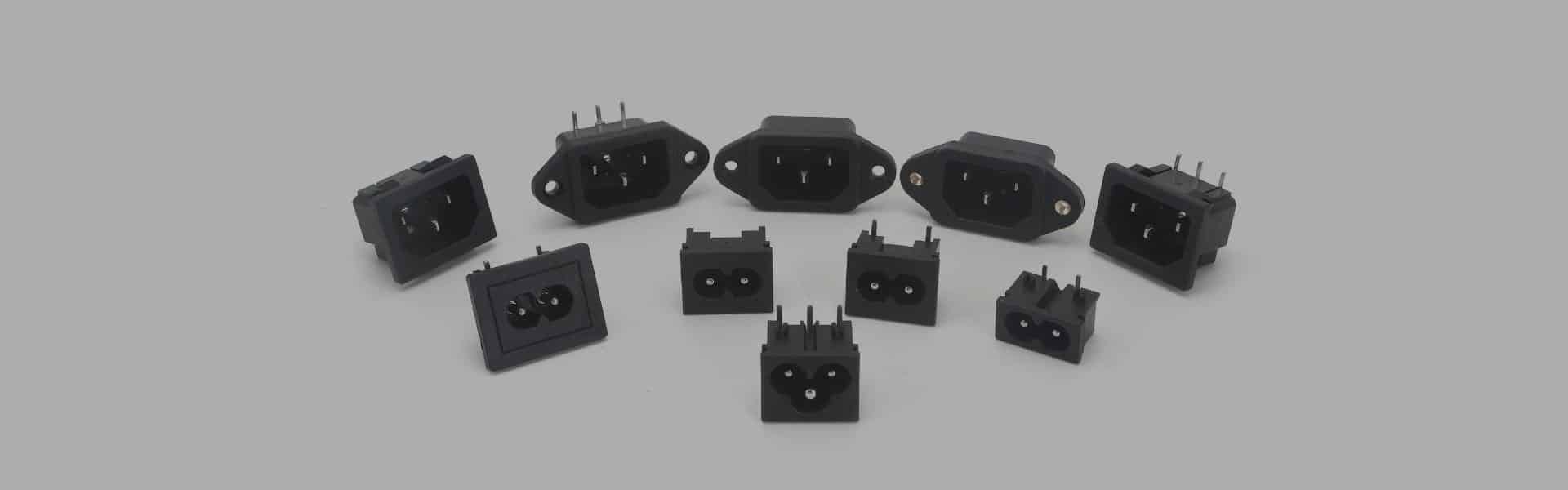
Medical devices are becoming increasingly sophisticated, requiring advanced components that ensure safety, reliability, and high performance. Among these components, medical electrical connectors play a crucial role in maintaining consistent power and signal transmission across devices. As healthcare technology evolves, connector designs are also advancing to meet the demands of modern medical applications, combining durability, precision, and compactness with regulatory compliance.
Recent innovations in medical electrical connectors have transformed the way medical equipment operates. These connectors are now more reliable, versatile, and adaptable to the complex requirements of diagnostic, monitoring, and therapeutic devices. Manufacturers are focusing on improving connector performance while also ensuring patient safety, ease of use, and environmental resilience. Innovations in materials, design, and data handling have expanded the applications of these connectors in hospitals, laboratories, and home healthcare devices.
Advances in Materials and Durability
One of the most significant innovations in medical connectors is the development of advanced materials that enhance durability and longevity. Traditional connectors were often prone to corrosion and wear, particularly in environments requiring frequent cleaning and sterilization. Today, medical connectors use high-performance polymers, gold-plated contacts, and corrosion-resistant metals to withstand repeated autoclaving, disinfectants, and fluid exposure.
These materials also improve mechanical reliability, ensuring that connectors maintain secure connections throughout repeated cycles of mating and unmating. Some connectors now feature reinforced housings, locking mechanisms, and ergonomic designs that prevent accidental disconnection, an essential safety feature in critical care applications. These material improvements extend the service life of medical devices, reducing maintenance costs and improving overall reliability.
Miniaturization and Compact Designs
Modern medical devices are trending toward portability, wearability, and multifunctionality. This shift has driven innovations in connector miniaturization. Smaller, lighter connectors allow designers to develop compact medical devices without compromising performance. For example, portable patient monitors, wearable sensors, and handheld diagnostic tools rely on compact connectors that provide high-density electrical connections in limited space.
Miniaturization also improves device ergonomics, allowing connectors to integrate seamlessly into user-friendly designs. Advanced manufacturing techniques and precision engineering have made it possible to maintain signal integrity and power delivery even in extremely small form factors, making miniaturized connectors a key feature of next-generation medical technology.
Enhanced Signal Integrity and Data Transmission
With the rise of digital medical devices, signal integrity and high-speed data transmission have become critical. Innovations in connector technology now include shielding, specialized contact configurations, and high-speed data pathways that reduce electromagnetic interference (EMI) and signal degradation. These improvements are vital for imaging devices, electrocardiogram (ECG) machines, and other diagnostic equipment that require precise and consistent signal transmission.
High-speed connectors also support emerging technologies like telemedicine and remote monitoring, where accurate data transfer is essential for patient care. By combining power and data transmission capabilities in a single connector, medical devices can become more efficient and easier to operate, reducing the number of separate cables and connection points.
Compliance and Safety Enhancements
Medical devices must adhere to strict safety and regulatory standards. Innovations in connector technology now ensure that connectors not only meet but exceed these requirements. Modern medical electrical connectors are designed for compliance with ISO 13485, IEC 60601, and other relevant standards. Features such as insulation barriers, tactile feedback, and secure locking systems enhance safety by preventing accidental disconnections, short circuits, and electrical hazards.
These improvements are particularly important in high-stakes medical environments, including surgical theaters, intensive care units, and patient monitoring setups. Safe, reliable connectors reduce the risk of device failure and improve the overall quality of care delivered to patients.
Emerging Applications and Future Directions
Innovations in medical connectors are also enabling new applications in healthcare. Wearable medical devices, implantable sensors, and wireless diagnostic tools all benefit from connectors that are compact, robust, and capable of transmitting both power and data reliably. Additionally, the development of connectors compatible with wireless and IoT-enabled medical devices is opening new avenues for patient monitoring and remote healthcare delivery.
Future developments are expected to focus on even greater miniaturization, biocompatible materials, and connectors optimized for higher-speed data transmission. Integration with smart devices and AI-enabled medical tools will further expand the role of advanced connectors in improving patient outcomes and healthcare efficiency.
Conclusion
Innovations in medical electrical connector technology are transforming the healthcare landscape. Advances in materials, miniaturization, signal integrity, and safety compliance have created connectors that are more durable, precise, and adaptable than ever before. These improvements enable the development of portable, wearable, and multifunctional medical devices while maintaining strict safety and reliability standards. As medical technology continues to evolve, innovations in connector design will remain a critical factor in supporting efficient, accurate, and patient-focused healthcare solutions.
