

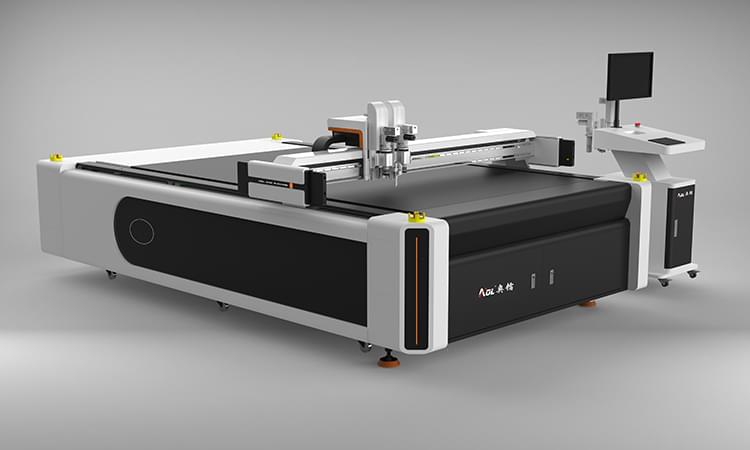
Selecting the right equipment for insulation processing is an important decision for manufacturers, contractors, and industrial suppliers. Insulation materials such as fiberglass, mineral wool, foam boards, and rubber sheets require precise cutting to ensure proper installation and performance. A reliable cutting solution not only improves efficiency but also reduces material waste and labor costs. Businesses that invest in the correct machinery can significantly enhance productivity while maintaining consistent product quality.
When evaluating equipment options, it is important to understand how production requirements align with machine capabilities. A modern insulation cutting machine can automate complex cutting tasks, improve accuracy, and support large-scale manufacturing operations. Choosing the right system depends on factors such as material type, cutting precision, production volume, and available workspace. Understanding these elements helps businesses make informed purchasing decisions that support long-term growth.
Understanding Your Insulation Material Requirements
Different insulation materials require different cutting methods. For example, foam insulation boards are often cut using hot wire or CNC cutting machines, while fiberglass and mineral wool are typically processed with rotary blade systems. Rubber insulation sheets may require specialized blade configurations to ensure clean and accurate cuts.
Material density and thickness also influence machine selection. Lightweight foam can be processed quickly with heat-based cutting tools, while dense insulation products may require high-powered mechanical or waterjet systems. Businesses should evaluate the range of materials they work with before investing in cutting equipment.
Another important consideration is material handling. Some insulation materials are rigid and easy to position, while others are flexible and require automated feeding systems. Choosing equipment designed for specific insulation types ensures smoother production and fewer operational issues.
Evaluating Production Volume and Speed
Production capacity is a key factor when selecting insulation cutting equipment. Small workshops or custom fabrication businesses may only need semi-automatic machines, while large manufacturing facilities often require fully automated systems capable of continuous operation.
High-volume production environments benefit from machines that can perform repetitive cuts quickly and accurately. Automated cutting systems reduce manual labor and improve workflow efficiency. They also help maintain consistent dimensions across large batches of insulation products.
Businesses should consider both current and future production needs. Investing in equipment that can scale with demand helps avoid frequent upgrades and production delays. Machines with programmable controls and adjustable cutting settings provide greater flexibility for growing operations.
Considering Precision and Customization Needs
Precision is essential in insulation manufacturing, particularly for applications involving HVAC systems, industrial pipelines, and prefabricated building components. Even small measurement errors can affect insulation performance and installation quality.
CNC insulation cutting machines are ideal for businesses that require detailed shapes and custom designs. These machines use computer-controlled programming to produce consistent results with minimal variation. Digital design integration also allows manufacturers to create prototypes and custom insulation components efficiently.
For simpler cutting tasks, mechanical blade machines may be sufficient. Businesses should balance precision requirements with budget considerations when choosing equipment. Selecting a machine with the right level of accuracy ensures cost-effective production without unnecessary complexity.
Assessing Automation and Technology Features
Modern insulation cutting machines often include advanced automation features that improve productivity and safety. Automated feeding systems, programmable cutting patterns, and digital control panels allow operators to manage production more efficiently.
Integration with design software is another valuable feature. Machines that support CAD file input can convert digital designs directly into finished insulation components. This reduces setup time and minimizes the risk of human error during production.
Safety technology should also be a priority. Emergency stop systems, protective guards, and sensor-based controls help prevent accidents and ensure compliance with industrial safety standards. Investing in machines with strong safety features protects both workers and equipment.
Budget and Maintenance Considerations
Cost is always an important factor when purchasing industrial machinery. While advanced cutting systems may require a higher initial investment, they often provide long-term savings through improved efficiency and reduced material waste.
Maintenance requirements should also be evaluated before making a purchase. Machines with durable components and simple maintenance procedures reduce downtime and operating costs. Businesses should consider the availability of spare parts, technical support, and operator training when selecting equipment.
Energy consumption is another factor that can affect long-term operating expenses. Efficient machines help lower production costs while supporting sustainable manufacturing practices.
Making the Final Decision
Choosing the right insulation cutting machine requires careful planning and evaluation of business needs. Companies should consider material compatibility, production capacity, precision requirements, automation features, and long-term operating costs before making a decision.
Testing equipment performance through demonstrations or sample cutting projects can help businesses confirm whether a machine meets their expectations. Consulting with equipment suppliers and industry experts can also provide valuable insights into selecting the most suitable cutting solution.
Conclusion
An insulation cutting machine is a critical investment for businesses involved in insulation manufacturing and processing. The right equipment improves production efficiency, ensures accurate cutting, and supports consistent product quality. By carefully assessing operational requirements and future growth plans, businesses can select machinery that delivers reliable performance and long-term value.
As industrial insulation demand continues to grow across construction, energy, and manufacturing sectors, choosing the right cutting technology becomes increasingly important. Businesses that invest in efficient and precise cutting solutions position themselves for improved productivity and competitive advantage in the market.
