

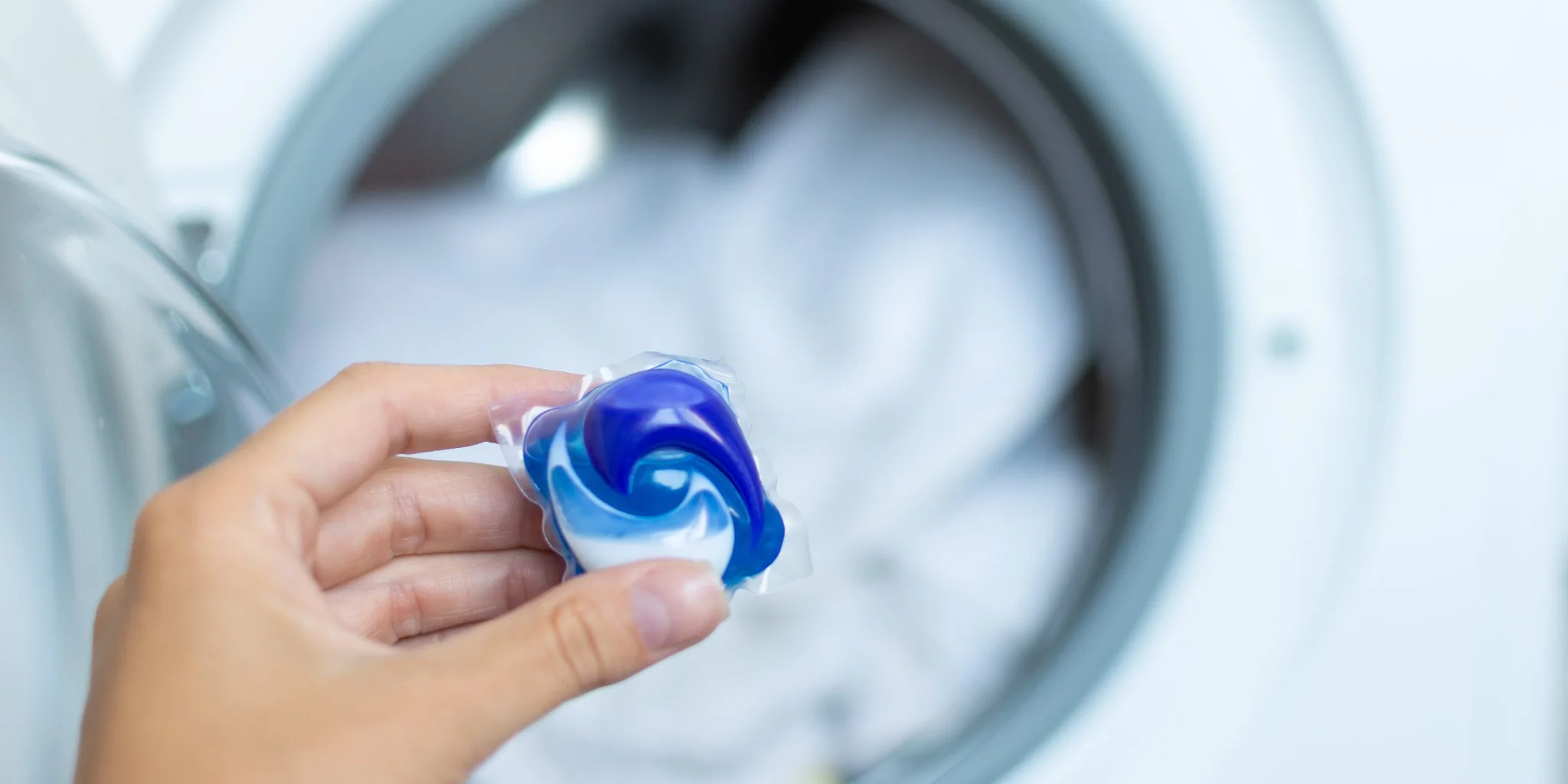
The growing demand for laundry pods has led to increased adoption of automated machinery in detergent production. A Laundry Pods Manufacturing Machine streamlines the production process, ensuring consistent quality, precise dosing, and high-speed output. Understanding the production workflow of these machines is essential for manufacturers seeking efficiency, reliability, and scalability in their operations. This workflow involves a series of carefully controlled stages, each designed to produce high-quality pods that meet consumer expectations.
Overview of the Production Workflow
The production workflow of a laundry pods manufacturing machine is structured to minimize manual intervention while ensuring accuracy and consistency. These machines combine automated systems for film handling, detergent dosing, pod sealing, and cutting, along with integrated quality control mechanisms.
A modern Laundry Pods Manufacturing Machine integrates programmable logic controllers (PLC) and human-machine interfaces (HMI) to monitor production parameters in real time. The system ensures that each pod is formed with the correct amount of detergent, properly sealed, and accurately cut. By automating these processes, manufacturers can maintain uniform pod quality, reduce labor costs, and increase production speed.
Step 1: Film Feeding and Preparation
The production process begins with the feeding of water-soluble films. These films serve as the outer packaging of the detergent pods, dissolving completely during the wash cycle. Film rolls are mounted onto the machine and threaded through a series of rollers that ensure proper alignment and tension.
Automated sensors monitor the film for alignment, wrinkles, or defects. Any irregularities are detected immediately, preventing faulty pods from being produced. Proper film handling is crucial, as misaligned or damaged films can result in torn pods, leakage, or sealing failures. This stage ensures a smooth start to the production workflow.
Step 2: Detergent Dosing
Accurate dosing is essential for creating consistent laundry pods. The dosing system delivers precise amounts of detergent—whether liquid, gel, or powder—into the pre-formed film cavities.
Modern machines use advanced pumps, augers, or volumetric fillers, depending on the type of detergent. The dosing system is synchronized with the film feeding to ensure that each pod receives the correct quantity. Sensors monitor the volume of detergent being dispensed, adjusting in real time to maintain accuracy. This step guarantees that every pod delivers the intended cleaning performance without waste.
Step 3: Sealing and Cutting
Once the detergent is deposited, the pod is sealed using heat or ultrasonic technology. Proper sealing is critical for pod integrity, preventing leaks and ensuring that pods maintain their shape during storage and handling.
After sealing, automated cutting systems separate the pods into individual units. High-precision cutting mechanisms ensure uniform size and shape, contributing to consistent dosing and reliable performance. Quality control sensors may also inspect the seal strength and pod dimensions, flagging any defective units for removal.
Step 4: Quality Control and Inspection
Integrated quality control is a vital component of the production workflow. Sensors and cameras monitor pod weight, seal integrity, and alignment throughout the production line. Any deviations from the standard are detected immediately, allowing the machine to adjust parameters automatically or remove defective pods from the line.
This real-time monitoring minimizes waste, reduces the risk of defective products reaching consumers, and ensures compliance with industry standards. Maintaining consistent quality at this stage is critical for building consumer trust and protecting brand reputation.
Step 5: Collection and Packaging
The final stage involves collecting the finished pods and preparing them for packaging. Conveyor systems transport the pods to packaging stations, where they can be counted, grouped, and sealed into retail-ready containers.
Automated handling reduces manual labor and minimizes the risk of pod damage during collection. Some advanced machines are capable of integrating directly with automated packaging lines, enabling seamless transfer from production to packaging and further enhancing efficiency.
Benefits of an Optimized Production Workflow
Following a structured production workflow using a laundry pods manufacturing machine provides multiple advantages. Automation reduces labor costs while ensuring high-speed production. Precise dosing, sealing, and cutting guarantee uniform product quality. Integrated quality control and real-time monitoring minimize waste and defective units. Additionally, the workflow can be adapted to accommodate different detergent formulations, pod sizes, and multi-chamber designs, providing flexibility to meet evolving market demands.
Conclusion
The production workflow of a Laundry Pods Manufacturing Machine is designed to maximize efficiency, accuracy, and product quality. From film feeding and detergent dosing to sealing, cutting, and packaging, each stage is carefully automated and monitored to ensure consistent performance.
Investing in a reliable Laundry Pods Manufacturing Machine allows manufacturers to streamline production, reduce errors, minimize waste, and scale operations effectively. By understanding and optimizing this workflow, businesses can meet growing consumer demand for convenient, high-quality laundry pods while maintaining operational efficiency and profitability.
