

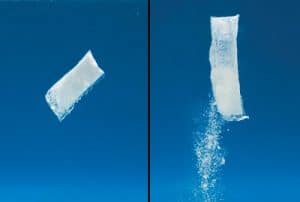
Water soluble film packaging machines have become a vital technology in the pharmaceutical and medical industries. These machines allow for precise, single-dose packaging using films that dissolve completely in water, offering advantages in hygiene, safety, and efficiency. With growing demand for accurate dosing and sterile packaging, water soluble film packaging machines provide an innovative solution for pharmaceutical companies, hospitals, and medical supply manufacturers. Understanding how these machines function and their benefits in medical applications is essential for modern healthcare production.
The Role of Water Soluble Films in Pharmaceuticals
In pharmaceuticals and healthcare, maintaining dosage accuracy, preventing contamination, and ensuring patient safety are of paramount importance. Water soluble films provide a reliable medium for single-dose packaging, offering controlled dissolution in water without leaving any harmful residues. This feature is particularly important for powdered medications, gels, or liquid formulations that require precise administration.
Single-dose packaging helps eliminate human error in measuring doses, ensuring that patients receive the correct amount of medication. It also improves patient convenience, allowing medications to be pre-packaged in ready-to-use formats. Beyond convenience, the use of water soluble films minimizes the risk of cross-contamination, a critical consideration in hospitals, clinics, and laboratories.
Key Applications of Water Soluble Film Packaging Machines
A high-quality Water Soluble Film Packaging Machine is designed to meet the stringent requirements of pharmaceutical and medical packaging. These machines automate the entire process, including film feeding, forming, precise filling, sealing, and cutting.
In pharmaceutical applications, these machines are commonly used to package single-dose powders, tablets, gels, and liquid medications. Water soluble films are particularly suitable for oral and topical medications, as well as enzyme and probiotic powders, where precise dosage and hygiene are critical. The machines ensure that each unit is uniform in weight, size, and integrity, maintaining regulatory compliance and reducing the risk of dosing errors.
In medical applications, water soluble film packaging machines are used for packaging disinfectants, diagnostic reagents, and other single-use medical products. These pre-measured packages simplify usage in hospitals and clinics, reduce handling risks, and help maintain sterile conditions. By using water soluble films, hospitals and laboratories can also reduce packaging waste, contributing to sustainable practices.
Benefits in Pharmaceutical and Medical Packaging
The use of water soluble film packaging machines in the medical and pharmaceutical sectors offers several key benefits. First, they ensure high dosing accuracy. Automated filling systems can handle powders, liquids, and gels with precision, reducing errors and enhancing patient safety. Consistency in dosing is crucial for regulatory compliance and therapeutic effectiveness.
Second, these machines improve hygiene and safety. Automated operations minimize human contact with sensitive products, reducing contamination risks. Enclosed machine designs and stainless steel components maintain sterile conditions, which is critical in pharmaceutical and medical environments.
Third, these machines support efficient production. Multi-lane configurations and high-speed automation allow large volumes of single-dose packages to be produced quickly and consistently. This efficiency is particularly important for pharmaceutical companies fulfilling large-scale distribution requirements or hospitals managing high patient volumes.
Material Compatibility and Flexibility
Water soluble film packaging machines offer flexibility in handling different pharmaceutical products. Powders, granules, gels, and liquids can all be packaged using appropriate dosing mechanisms. Compatibility between the product and the water soluble film is essential to prevent premature dissolution or chemical interaction that could compromise package integrity.
Customisation options allow manufacturers to select specific sealing methods, package sizes, and film types to suit their product requirements. For example, heat sealing or ultrasonic sealing can be chosen based on the sensitivity of the medication and the required package strength. This flexibility ensures that diverse pharmaceutical products can be packaged safely and efficiently using the same machine platform.
Regulatory Compliance
Pharmaceutical and medical packaging is subject to strict regulatory standards. Water soluble film packaging machines help manufacturers comply with Good Manufacturing Practices (GMP) and other relevant guidelines. Precise dosing, hygienic operation, and consistent package quality all contribute to compliance with regulatory authorities. Automated record-keeping and monitoring features in modern machines further support traceability and quality assurance.
Sustainability and Environmental Impact
An additional advantage of water soluble film packaging in the pharmaceutical sector is sustainability. Unlike traditional plastic packaging, water soluble films dissolve completely in water, leaving no residue. This reduces packaging waste and environmental impact. Hospitals and pharmaceutical companies increasingly prioritize eco-friendly solutions, making water soluble film packaging a sustainable choice for single-dose products.
Maintenance and Operational Considerations
Regular maintenance is critical to ensure reliable operation of water soluble film packaging machines. Cleaning of rollers, molds, sealing components, and filling systems prevents residue buildup and contamination. Calibration of dosing systems ensures accurate fill volumes for each product. Skilled operators trained in machine handling, maintenance, and troubleshooting are essential to maintain consistent output and product quality.
Conclusion
Water soluble film packaging machines are transforming pharmaceutical and medical packaging by providing precise, hygienic, and sustainable single-dose solutions. Their ability to handle powders, liquids, and gels with accuracy and efficiency makes them ideal for medications, disinfectants, and diagnostic products. The combination of automation, material compatibility, regulatory compliance, and environmental benefits ensures that these machines meet the high standards required in healthcare production. By adopting water soluble film packaging machines, pharmaceutical manufacturers and medical facilities can enhance patient safety, improve operational efficiency, and support eco-friendly practices.
