

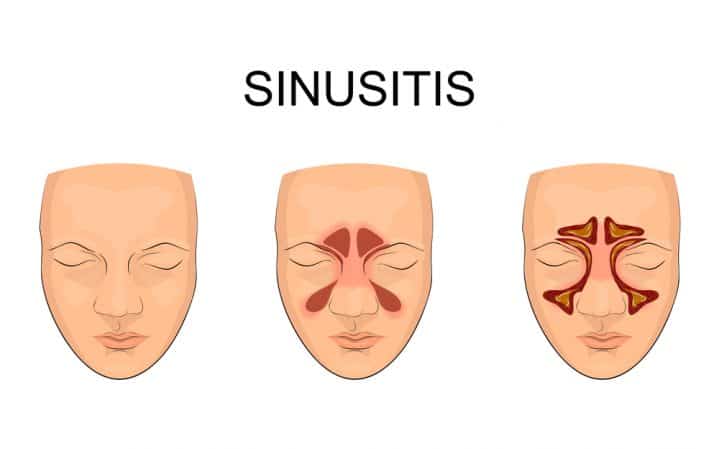
Sinus problems are a common health concern that can affect people of all ages. From occasional nasal congestion to chronic sinus infections, these issues can significantly impact daily life, causing discomfort, fatigue, and difficulty breathing. Understanding when to seek professional care from a sinus specialist can help prevent complications and improve overall quality of life.
Common Symptoms Indicating Sinus Issues
Sinus conditions often present with a range of symptoms, some of which may overlap with common colds or allergies. Key warning signs that indicate a more serious sinus problem include:
- Persistent nasal congestion or blockage
- Facial pain or pressure, especially around the eyes, forehead, and cheeks
- Chronic headaches or migraines linked to sinus pressure
- Thick nasal discharge, sometimes with a yellow or green tint
- Post-nasal drip leading to throat irritation and cough
- Reduced sense of smell or taste
- Recurring infections despite treatment with medications
If these symptoms persist for more than 10 days, recur frequently, or interfere with daily activities, it may be time to consult a qualified Sinus Specialist Singapore. Specialists are trained to diagnose the underlying causes and recommend tailored treatment plans to relieve symptoms and prevent long-term complications.
Causes of Sinus Problems
Sinus issues can arise from various factors, including:
- Infections: Viral, bacterial, or fungal infections can cause acute or chronic sinusitis.
- Allergies: Allergic reactions to dust, pollen, or pets can trigger inflammation of the sinus passages.
- Structural Abnormalities: Deviated septum, nasal polyps, or narrow sinus passages can contribute to chronic congestion and infections.
- Environmental Factors: Exposure to pollutants, smoke, or dry air may irritate the sinuses and exacerbate symptoms.
- Medical Conditions: Conditions like asthma or immune system deficiencies can make individuals more prone to sinus infections.
Identifying the root cause is essential for effective treatment and long-term relief.
Diagnostic Procedures
A sinus specialist typically employs a combination of examinations and tests to determine the severity and cause of sinus problems:
- Physical Examination: Inspection of nasal passages, sinuses, and throat to assess inflammation or structural issues.
- Endoscopy: A small camera is used to visualize the sinus cavities and identify blockages or abnormalities.
- Imaging: CT scans or X-rays provide detailed views of the sinus anatomy and detect issues not visible through a basic examination.
- Allergy Testing: Determines whether allergens are contributing to sinus inflammation and symptoms.
Accurate diagnosis is the foundation for developing an effective treatment plan.
Treatment Options
Treatment for sinus conditions depends on the severity, frequency, and underlying cause:
Medical Management
- Medications: Antibiotics may be prescribed for bacterial infections, while corticosteroids or antihistamines can help reduce inflammation and manage allergies.
- Nasal Sprays and Rinses: Saline rinses or medicated sprays help clear mucus, reduce congestion, and improve sinus drainage.
- Lifestyle Adjustments: Staying hydrated, using humidifiers, and avoiding irritants can support recovery and prevent flare-ups.
Surgical Interventions
For patients with chronic or severe sinus issues that do not respond to medication, surgery may be recommended:
- Functional Endoscopic Sinus Surgery (FESS): Removes blockages and improves sinus drainage.
- Polypectomy: Removal of nasal polyps that obstruct airflow and cause chronic inflammation.
- Septoplasty: Corrects a deviated septum to improve nasal airflow and reduce sinus infections.
A sinus specialist guides patients through the appropriate procedures and ensures safe, effective results.
Tips for Preventing Sinus Issues
Preventive measures can help reduce the frequency and severity of sinus problems:
- Maintain good nasal hygiene with saline sprays or rinses.
- Minimize exposure to allergens and environmental irritants.
- Treat allergies promptly with medications or immunotherapy.
- Stay hydrated and maintain a healthy lifestyle to support the immune system.
- Seek early treatment for colds or respiratory infections to prevent secondary sinus infections.
Conclusion
Recognizing the signs of sinus problems and knowing when to seek expert care is essential for maintaining good health and quality of life. Persistent congestion, facial pain, or recurring infections are signals that consulting a specialist is necessary. Engaging a professional Sinus Specialist Singapore ensures accurate diagnosis, effective treatment, and ongoing support to manage symptoms. By addressing sinus issues promptly, patients can reduce discomfort, prevent complications, and enjoy better breathing and overall well-being.
