

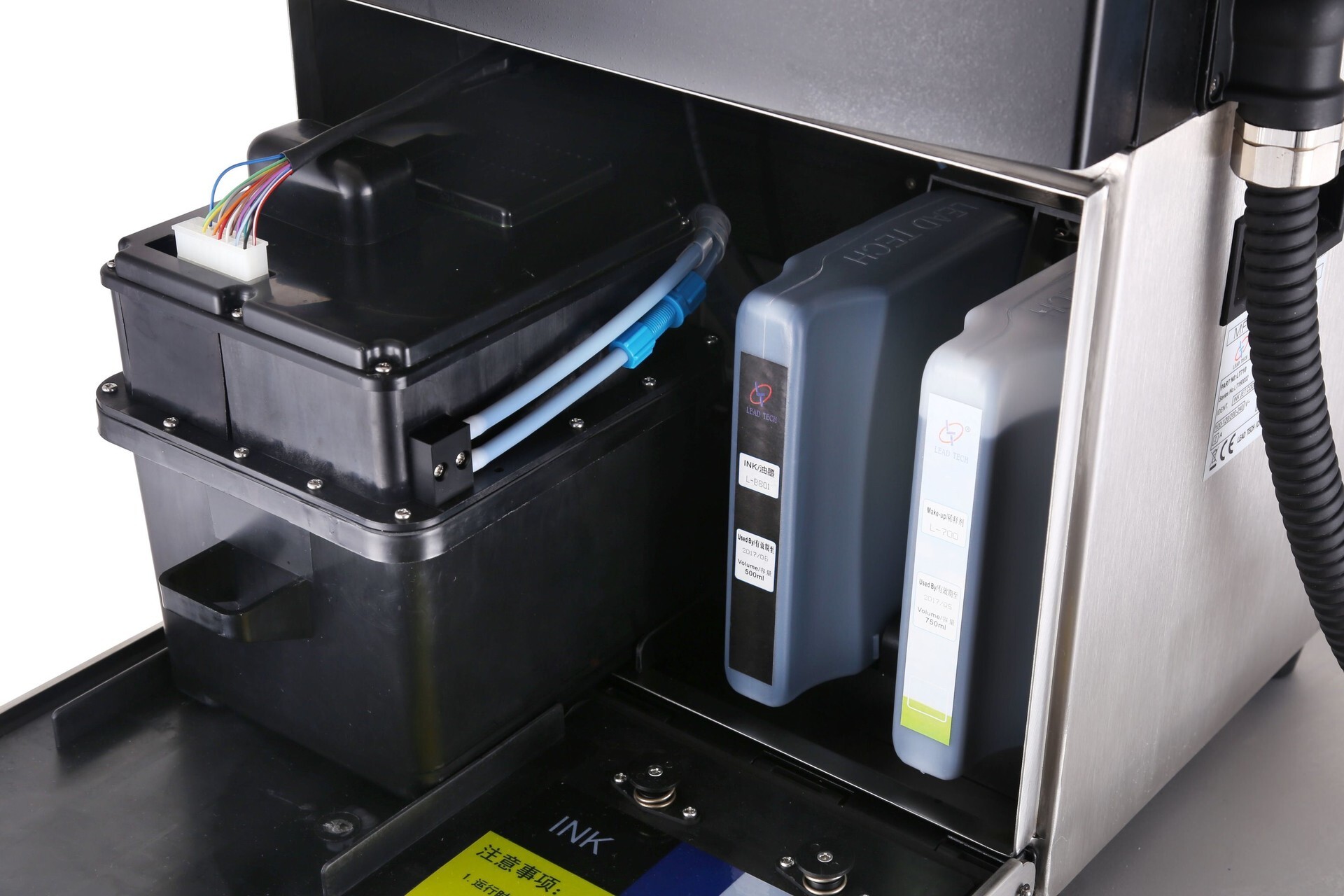
Continuous Inkjet (CIJ) printers have long been essential tools in manufacturing and packaging industries, providing fast, precise, and non-contact marking of products. As technology evolves, CIJ printer manufacturing is experiencing significant innovations aimed at improving performance, sustainability, and integration with modern production systems. Understanding future trends in this industry can help businesses anticipate advancements and make informed investment decisions.
Increased Automation and Smart Technology
One of the key trends in CIJ printer manufacturing is the integration of automation and smart technology. Manufacturers are developing printers that can operate with minimal human intervention, using advanced sensors and software to monitor print quality, ink levels, and system health in real time. Many businesses rely on experienced providers, such as CIJ Inkjet Printer Manufacturers, who are leading the way in integrating IoT (Internet of Things) capabilities into printers. These smart printers can automatically adjust parameters to maintain consistent print quality, detect potential issues before they cause downtime, and even send maintenance alerts to operators or technicians.
Sustainable and Eco-Friendly Manufacturing
Sustainability is becoming an increasingly important consideration in CIJ printer production. Future trends include the development of energy-efficient printers, the use of recyclable and biodegradable materials, and the reduction of solvent-based inks in favor of water-based or UV-curable inks. Manufacturers are also designing printers to minimize ink consumption and waste during production and operation. By focusing on sustainability, CIJ printer manufacturers aim to reduce environmental impact while helping their customers comply with evolving environmental regulations and corporate responsibility goals.
High-Resolution and Multi-Line Printing
Advances in printhead technology are enabling CIJ printers to achieve higher resolutions and multi-line printing capabilities. High-resolution printers can produce finer text, detailed logos, and complex barcodes even at high speeds, while multi-line printers allow multiple lines of information to be printed simultaneously. This trend is particularly valuable for industries such as pharmaceuticals and electronics, where regulatory compliance and traceability require precise and legible product markings. Manufacturers are continually refining nozzle designs and droplet control technologies to enhance accuracy, reduce ink waste, and maintain consistent print quality at faster production speeds.
Integration with Industry 4.0
The trend toward smart factories and Industry 4.0 is influencing the development of CIJ printers that can seamlessly integrate with automated production systems. Future CIJ printers are expected to connect directly to production line software, ERP systems, and cloud-based monitoring platforms. This integration allows manufacturers to track printing performance, optimize production workflows, and maintain traceability across the supply chain. Enhanced connectivity also facilitates predictive maintenance, reducing downtime and operational costs by addressing issues before they escalate.
Compact and Flexible Printer Designs
Another trend in CIJ printer manufacturing is the development of more compact and flexible printer designs. Modern production lines often require printers that can be easily mounted in limited spaces, moved between lines, or adapted to different product sizes and surfaces. Manufacturers are designing lightweight, modular printers that can be customized for various industrial applications while maintaining high-speed performance. These flexible designs allow businesses to adapt to changing production needs without investing in entirely new equipment.
Advanced Software and User Interfaces
User experience is becoming a focal point in printer development, with manufacturers investing in advanced software and intuitive interfaces. Touchscreen controls, guided setup procedures, and real-time diagnostics help operators manage printers efficiently and reduce human error. Future CIJ printers will likely feature AI-powered software that can optimize print quality, automate routine maintenance tasks, and provide predictive analytics for production planning. This improves efficiency and reduces operational interruptions, especially in high-volume manufacturing environments.
Enhanced Durability and Reliability
Durability and reliability remain central to CIJ printer innovation. Manufacturers are focusing on components that resist wear, chemical exposure, and high-speed operation. Improved materials and engineering designs extend the lifespan of critical parts such as printheads, pumps, and electronics, reducing downtime and maintenance costs. As CIJ printers are deployed in increasingly demanding production environments, reliability will continue to be a critical factor in their design and development.
Conclusion
The future of CIJ inkjet printer manufacturing is marked by automation, smart technology, sustainability, high-resolution printing, Industry 4.0 integration, compact designs, advanced software, and enhanced reliability. By embracing these trends, CIJ Inkjet Printer Manufacturers are creating printers that meet the evolving needs of modern production environments. Businesses that stay informed about these advancements can invest in printers that improve efficiency, maintain consistent print quality, and support long-term operational and environmental goals. The continued innovation in CIJ printing technology ensures that this versatile marking solution will remain a cornerstone of industrial production for years to come.
