

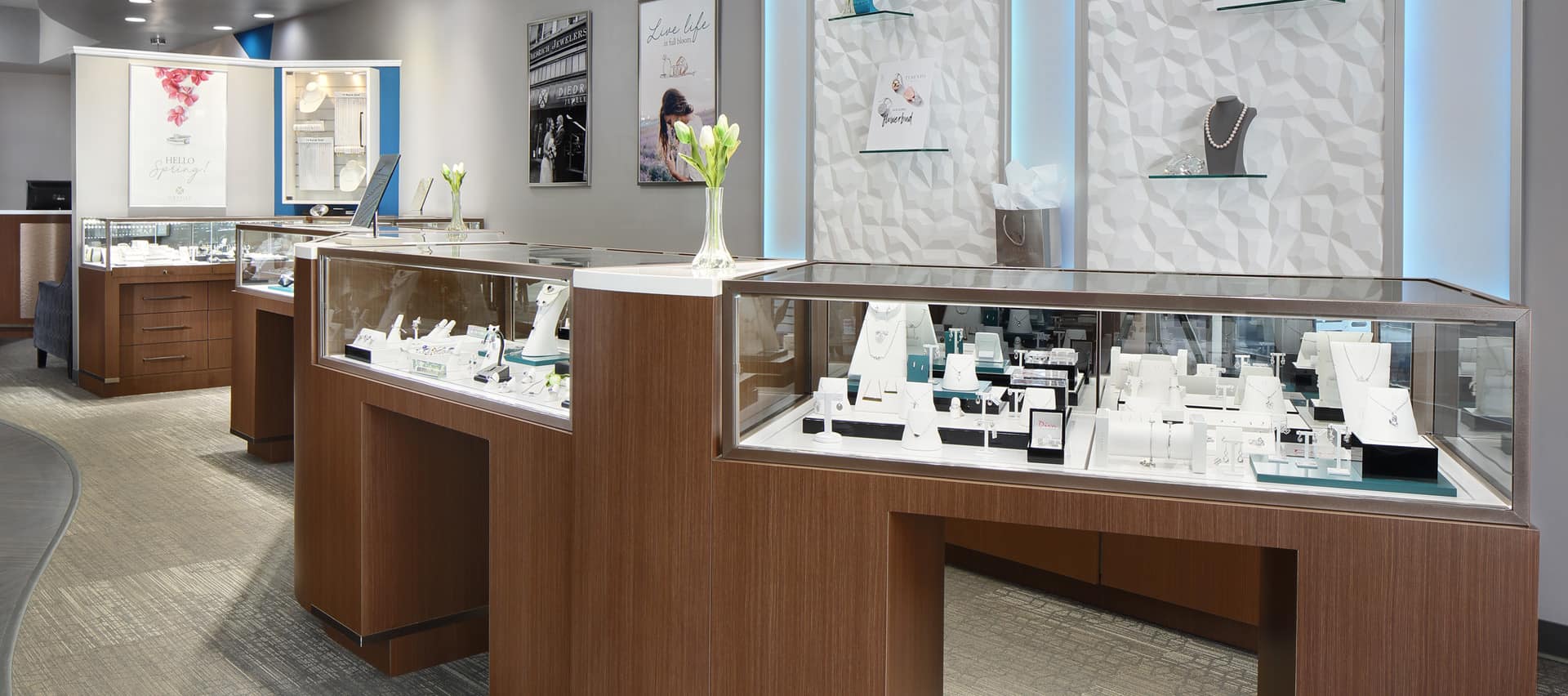
The design of jewelry display cases plays a crucial role in luxury retail, combining aesthetics, functionality, and security to enhance the customer experience. Custom jewelry display cases allow retailers to showcase their collections in a way that aligns perfectly with their brand identity while highlighting the beauty and craftsmanship of the jewelry itself. The design process involves careful planning, collaboration, and attention to detail to ensure that each case meets the unique needs of the retailer.
Creating a custom display case begins with understanding the client’s goals, store layout, and the types of jewelry to be showcased. In the middle of this process, Custom Jewelry Display Cases are conceptualized with a focus on materials, lighting, and interior configuration. Designers consider how each element will affect visibility, security, and accessibility, ensuring that the final product not only looks elegant but also functions effectively for both staff and customers.
Initial Consultation and Planning
The first step in designing a custom jewelry display case is a detailed consultation with the retailer. This involves discussing the store’s aesthetic, inventory requirements, and space constraints. Designers take measurements, evaluate traffic flow, and identify focal points within the store to determine optimal case placement.
During this stage, considerations include the types of jewelry being displayed, the level of security required, and the desired visual impact. A clear understanding of these factors ensures that the final design supports both the functional needs of the store and the luxury shopping experience that customers expect.
Material Selection
Selecting the right materials is a critical aspect of the design process. Designers choose from a variety of high-quality woods, metals, and glass options to create a case that is both durable and visually appealing. Premium materials not only provide longevity but also convey a sense of luxury that enhances the perceived value of the jewelry.
Interior finishes, such as velvet, suede, or leather, are chosen to provide contrast and protection for the jewelry. The right combination of materials ensures that the display case is both practical and aesthetically aligned with the retailer’s brand.
Lighting Design
Lighting is one of the most important factors in showcasing jewelry effectively. Custom cases often include integrated LED lighting, spotlights, and ambient illumination to highlight the brilliance and color of gemstones and metals.
Designers carefully plan the placement and intensity of each light source to minimize glare and shadows while enhancing the visual appeal of each piece. Adjustable lighting allows retailers to modify displays for different collections or promotional events, creating a dynamic and engaging shopping environment.
Interior Configuration and Functionality
The interior layout of a custom display case must be tailored to the retailer’s inventory. Modular shelving, adjustable trays, and multi-level compartments allow for flexible arrangements of rings, necklaces, bracelets, and watches.
Functionality also includes accessibility for staff, with smooth-operating drawers, removable trays, and secure storage for excess inventory. A well-designed interior ensures that each piece of jewelry is showcased effectively while maintaining ease of use for employees.
Security Integration
Security is a key consideration in custom display case design. Reinforced glass, concealed locks, and durable frames protect valuable jewelry while maintaining an elegant appearance. Modern designs may also include smart security features, such as alarms or motion sensors, integrated discreetly into the case.
Designers work to balance aesthetics with safety, ensuring that customers can browse comfortably while the jewelry remains fully protected.
Final Design and Fabrication
Once all elements are planned, the design is finalized and sent to fabrication. Skilled craftsmen construct the case with precision, ensuring that all components meet exact specifications. Finishes are applied, lighting is installed, and security features are integrated seamlessly to create a polished, functional, and visually appealing display.
During fabrication, designers and clients may review prototypes or samples to ensure that every detail aligns with the vision. The goal is to produce a display case that exceeds expectations in both beauty and functionality.
Conclusion
The design process behind custom jewelry display cases is a careful balance of planning, material selection, lighting, interior layout, and security. Each stage is focused on creating a display that enhances the jewelry, supports operational efficiency, and reinforces the retailer’s brand identity.
Incorporating Custom Jewelry Display Cases thoughtfully into a retail environment ensures that each piece of jewelry is presented elegantly, securely, and accessibly. A well-designed custom display case elevates the shopping experience, showcases the craftsmanship of the jewelry, and reflects the sophistication and professionalism of the retailer.
