

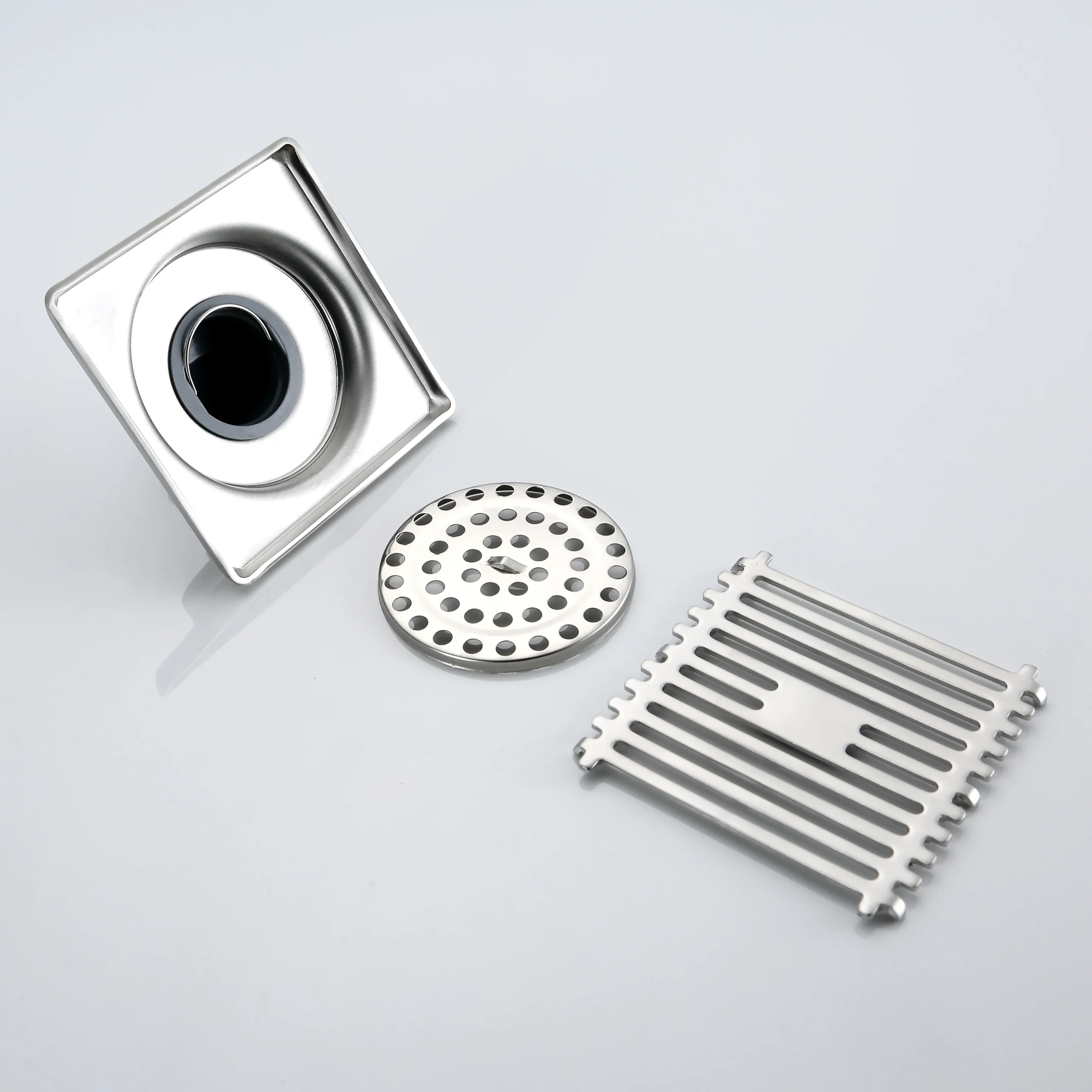
A bathroom is not just a place for personal hygiene—it is an integral part of the home’s design and functionality. One of the most important yet often overlooked fixtures in a bathroom is the floor trap. A high-quality stainless steel floor trap ensures effective drainage, prevents foul odors, and maintains cleanliness, making it an essential component in any modern bathroom.
What is a Stainless Steel Floor Trap?
A stainless steel floor trap is a plumbing fixture installed in the floor to allow water to drain efficiently while preventing odors and debris from flowing back into the bathroom. Typically made of durable stainless steel, these traps are corrosion-resistant, long-lasting, and able to withstand heavy usage.
Floor traps are commonly used in bathrooms, kitchens, laundry rooms, and wet areas to maintain hygiene and ensure smooth water drainage. Their design not only addresses practical needs but also complements modern bathroom aesthetics.
Advantages of Stainless Steel Floor Traps
Investing in a stainless steel floor trap offers several key benefits:
1. Superior Durability
Stainless steel is highly resistant to rust, corrosion, and wear, making it ideal for wet areas. A well-constructed floor trap can last for many years without compromising performance, even in high-moisture environments.
2. Efficient Drainage
The primary function of a floor trap is to facilitate quick and smooth water drainage. Stainless steel floor traps are designed to handle large volumes of water, preventing pooling and ensuring a clean, dry bathroom floor.
3. Hygiene and Odor Prevention
A properly installed floor trap prevents foul odors from entering the living space. It acts as a barrier between the drainage system and the bathroom, blocking sewer gases and maintaining a fresh, hygienic environment.
4. Easy Maintenance
Stainless steel surfaces are smooth and easy to clean. This reduces the accumulation of dirt, grime, and bacteria, making maintenance simple and less time-consuming. Removable grates and strainers allow for hassle-free cleaning of debris.
5. Aesthetic Appeal
Modern stainless steel floor traps come in sleek designs that blend seamlessly with contemporary bathroom interiors. Their polished finish adds a touch of sophistication while maintaining functionality.
Types of Floor Traps
Selecting the right floor trap depends on the specific requirements of your bathroom. Common types include:
1. Square Floor Traps
Square floor traps offer a clean, geometric look and are suitable for modern bathroom designs. They typically come with removable grates for easy cleaning.
2. Round Floor Traps
Round traps are a classic choice and are often used in residential bathrooms. Their shape allows for efficient water flow and easy installation in various floor types.
3. Heavy-Duty Floor Traps
These traps are designed for areas with high water flow or heavy foot traffic, such as commercial bathrooms, kitchens, or industrial settings. They can handle large volumes of water without clogging.
4. Anti-Odor Floor Traps
Anti-odor or water-seal traps include a built-in mechanism to prevent sewer gases from escaping into the bathroom. This feature is particularly useful in bathrooms without ventilation systems.
Factors to Consider When Choosing a Floor Trap
Choosing the right stainless steel floor trap involves several considerations:
- Size and Flow Rate: Ensure the trap can handle the volume of water in your bathroom or wet area.
- Material Quality: High-grade stainless steel resists corrosion and extends the lifespan of the trap.
- Design Compatibility: Select a trap that complements your bathroom’s flooring and overall design.
- Maintenance Features: Removable covers, strainers, and anti-clog designs make cleaning easier.
- Installation Requirements: Consider whether the trap is suitable for new construction or retrofitting existing bathrooms.
Installation Tips for Floor Traps
Proper installation ensures optimal performance and long-term durability:
- Correct Positioning: Place the trap at the lowest point of the floor to ensure complete drainage.
- Proper Slope: Floors should slope gently towards the trap to prevent water pooling.
- Secure Fitting: Ensure the trap is securely connected to the drainage pipe to prevent leaks.
- Seal and Grout: Proper sealing around the trap prevents water seepage and maintains floor integrity.
- Regular Checks: Inspect the trap periodically for clogs or wear and clean as needed.
Professional installation is recommended for first-time setups to ensure efficiency and avoid future plumbing issues.
Maintenance Tips
Maintaining a stainless steel floor trap is straightforward but crucial for longevity:
- Regular Cleaning: Remove debris and clean the grate to maintain smooth water flow.
- Check for Odors: If odors develop, ensure the water seal is intact and clean the trap thoroughly.
- Avoid Harsh Chemicals: Use mild cleaners to prevent damage to the stainless steel surface.
- Inspect Seals: Periodically check the rubber seals or gaskets for wear and replace if necessary.
Consistent maintenance keeps the floor trap functional and ensures a hygienic bathroom environment.
Conclusion
A stainless steel floor trap is an indispensable component of modern bathroom design, offering durability, hygiene, and efficiency. Its ability to prevent odors, handle water drainage, and resist corrosion makes it a smart investment for both residential and commercial settings.
Choosing the right floor trap, installing it properly, and maintaining it regularly ensures long-lasting performance and a clean, fresh bathroom environment. By incorporating a high-quality stainless steel floor trap, homeowners can enhance both the functionality and aesthetics of their bathroom while ensuring a safe, hygienic, and efficient space for daily use.
