

In brewing and fermentation processes, maintaining precise control over chemical conditions is crucial for producing high-quality beverages. One of the most important parameters in these processes is pH, which affects yeast activity, flavor development, and product stability. Monitoring pH allows brewers and fermentation specialists to optimize production and achieve consistent results across batches.
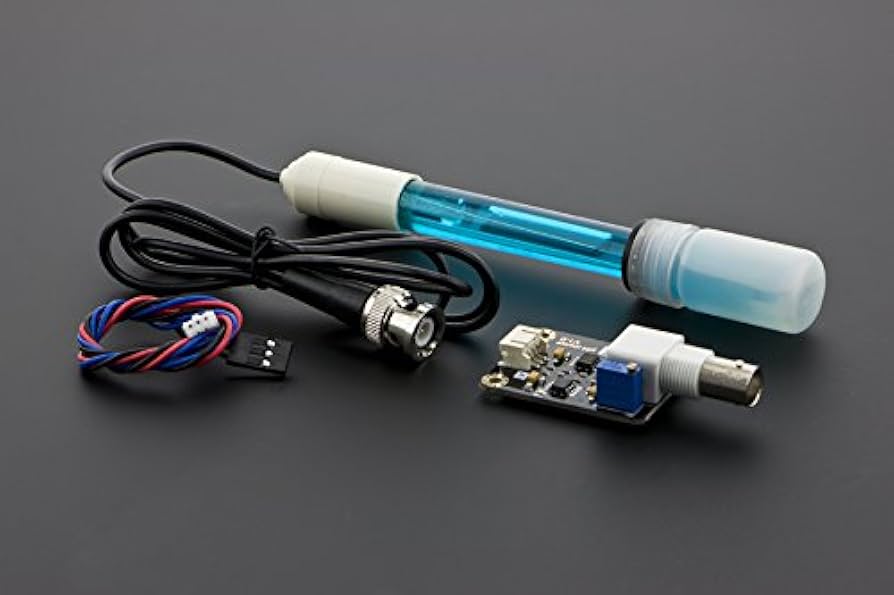
The pH of a solution influences microbial growth, enzymatic reactions, and the overall balance of flavors in fermented products. Inconsistent pH levels can result in off-flavors, slower fermentation, or even spoilage. To ensure accuracy, many brewers rely on a pH sensor that continuously monitors the acidity or alkalinity of the liquid throughout the brewing or fermentation process.
Importance of pH in Brewing
During beer production, for instance, the mash pH impacts enzyme activity responsible for breaking down starches into fermentable sugars. Maintaining the optimal mash pH ensures efficient conversion, enhancing the extract yield and overall efficiency. Similarly, during wort boiling, monitoring pH helps control the isomerization of hops, affecting bitterness and flavor stability.
In wine and cider production, pH affects color, taste, and microbial stability. Low pH can inhibit undesirable bacteria, while excessively high pH may compromise flavor and reduce shelf life. Consistent monitoring during fermentation ensures that the product remains within the desired quality range.
Role in Yeast Fermentation
Yeast is highly sensitive to pH fluctuations. During fermentation, the metabolic activity of yeast generates organic acids, which can lower the pH of the solution. If the pH drops too quickly or goes beyond the optimal range, yeast activity may slow down, resulting in incomplete fermentation or undesirable byproducts.
Using a pH sensor, operators can track these changes in real time, making adjustments as necessary. This helps maintain optimal conditions for yeast growth, ensuring a steady fermentation rate and achieving the intended flavor profile.
Benefits of Using a pH Sensor in Fermentation
Integrating a pH sensor into brewing and fermentation processes provides several advantages:
- Real-Time Monitoring: Immediate feedback allows operators to detect deviations and take corrective action quickly.
- Enhanced Product Quality: Maintaining optimal pH ensures consistent flavor, aroma, and color in each batch.
- Improved Efficiency: By tracking pH continuously, fermentation can be optimized, reducing time and energy costs.
- Microbial Control: Proper pH management helps prevent the growth of unwanted microorganisms that could spoil the product.
These benefits are particularly valuable in commercial production, where consistency and efficiency directly impact profitability.
Application in Different Fermented Beverages
pH sensors are widely used across various fermented beverages. In beer, they monitor mash, wort, and fermentation stages. In wine and cider, sensors help maintain balance during primary and secondary fermentation. Even in kombucha or dairy fermentation, pH sensors provide critical information to ensure safe and high-quality products.
Maintenance and Calibration
To achieve accurate measurements, pH sensors require regular calibration with standard buffer solutions. Proper maintenance, including cleaning the electrode and storing it under recommended conditions, prevents fouling and extends the sensor’s lifespan. In fermentation, where liquids may contain sugars, proteins, and other residues, frequent maintenance is essential for consistent performance.
Integration with Automation
Modern breweries and fermentation facilities increasingly integrate pH sensors with automated control systems. This allows real-time monitoring, data logging, and automated adjustments of pH through chemical additions or process modifications. Such integration enhances precision, reduces labor, and ensures reproducibility across multiple batches.
Conclusion
A pH sensor is a vital tool in brewing and fermentation, supporting precise control over acidity and alkalinity. By monitoring pH, operators can optimize yeast performance, improve flavor consistency, and prevent spoilage. Proper calibration and maintenance ensure reliable operation, while integration with automated systems enhances efficiency and reproducibility. Overall, the use of pH sensors contributes significantly to producing high-quality, consistent, and safe fermented beverages.
