

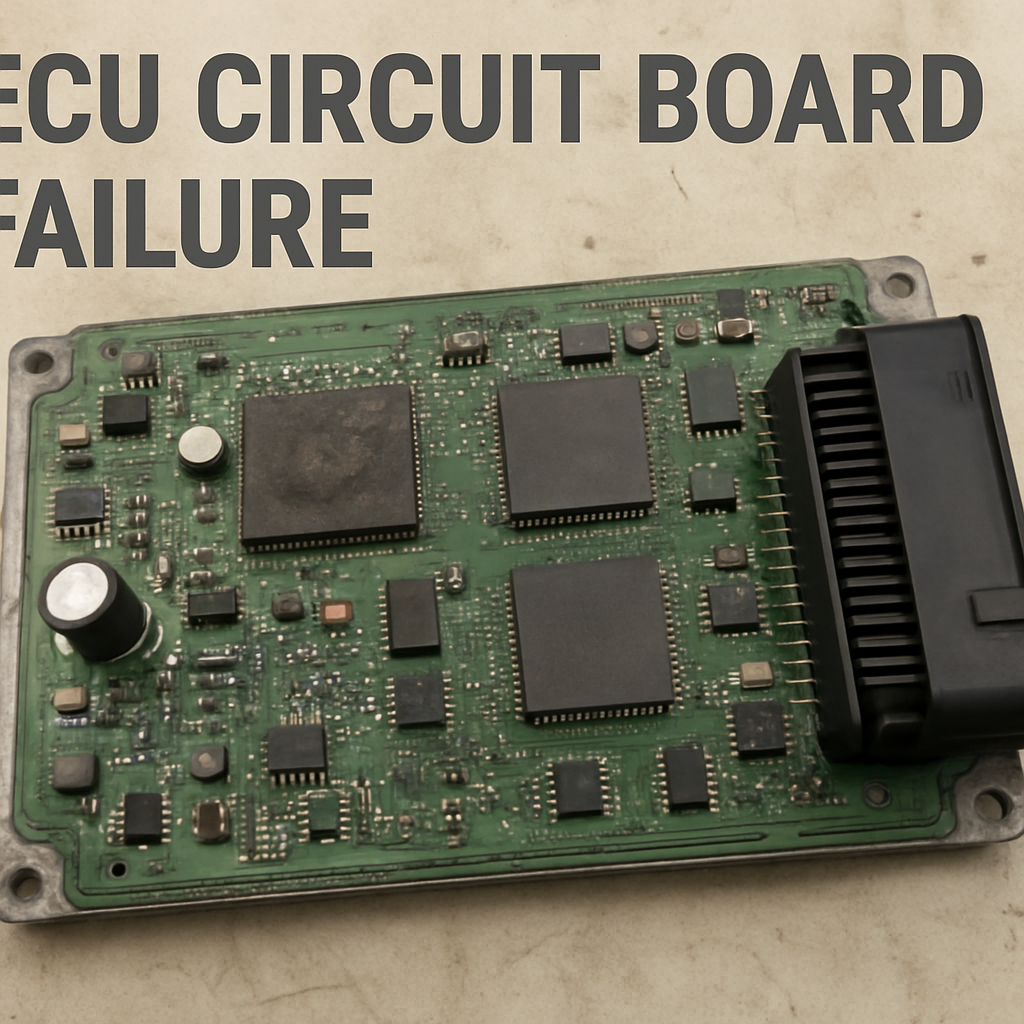
In the realm of modern automotive engineering, accurate monitoring and control of engine parameters are essential for efficiency, power, and reliability. One critical aspect of engine management is the rotational speed of engine components, particularly the crankshaft and camshaft. This is where the Rotational Speed IC comes into play, offering precise measurement and control that allows the engine to perform at its peak under all conditions.
The Rotational Speed IC is an advanced integrated circuit designed to monitor and regulate the rotational speed of engine components. By transmitting real-time data to the vehicle’s ECU, it ensures accurate timing for fuel injection, ignition, and other critical engine functions. This results in better fuel efficiency, enhanced performance, and smoother engine operation.
What Is a Rotational Speed IC?
A Rotational Speed IC is an integrated circuit that measures the rotation of critical engine components and provides this information to the engine control system. Traditionally, rotational speed was monitored using mechanical tachometers or simple sensors, which could lack precision and responsiveness.
Modern Rotational Speed ICs provide high-accuracy digital signals that allow the ECU to make real-time adjustments to engine timing and performance. This precise control is essential for modern engines, which rely on electronic systems to coordinate fuel injection, ignition timing, and other dynamic functions.
How the Rotational Speed IC Works
The Rotational Speed IC works by detecting the rotation of the crankshaft, camshaft, or other rotating components. It uses sensors such as Hall effect sensors, magnetic pickups, or optical encoders to detect rotational pulses. The IC then processes these signals and converts them into data that the ECU can use to adjust engine operations.
For example, if the engine speed increases rapidly, the IC ensures that fuel injection and ignition timing are adjusted accordingly to maintain optimal performance and prevent engine knock. Similarly, during idle or low-speed operation, the IC helps stabilize engine speed for smooth operation and reduced fuel consumption.
Benefits of a Rotational Speed IC
Integrating a Rotational Speed IC into a vehicle’s engine control system provides numerous advantages:
- Precise Engine Timing: Accurate speed monitoring allows for perfect synchronization of fuel injection and ignition.
- Enhanced Fuel Efficiency: Optimized timing reduces fuel wastage and improves combustion efficiency.
- Improved Engine Performance: Ensures smooth acceleration and consistent power delivery.
- Reduced Emissions: Properly timed combustion reduces harmful exhaust gases.
- Extended Engine Life: Reduces wear on engine components by preventing misfires and irregular combustion.
These benefits highlight the importance of Rotational Speed ICs in modern automotive technology, contributing to both performance and longevity.
Applications of Rotational Speed IC
Rotational Speed ICs are highly versatile and used in a wide range of vehicles and engine types, including:
- Passenger Vehicles: Maintains engine stability and improves fuel efficiency in daily driving conditions.
- High-Performance Cars: Enables precise control for maximum power and acceleration.
- Motorcycles and Scooters: Ensures accurate timing in small, high-RPM engines.
- Commercial Vehicles: Provides reliable engine management under heavy loads and extended operation.
- Hybrid Vehicles: Integrates with electric motor systems to coordinate speed and power output.
By enabling precise engine control, the Rotational Speed IC enhances performance across all vehicle types and driving scenarios.
Common Symptoms of a Faulty Rotational Speed IC
While Rotational Speed ICs are designed for durability, they can sometimes fail due to heat, vibration, or electrical surges. Common symptoms of a malfunctioning IC include:
- Erratic or unstable engine RPM
- Poor acceleration or delayed throttle response
- Engine misfires or rough running
- Increased fuel consumption
- Dashboard warning lights related to engine or ECU faults
Addressing IC issues promptly can prevent further engine damage and restore optimal performance.
Installation and Maintenance Considerations
Installing a Rotational Speed IC typically requires professional knowledge of engine electronics and sensor systems. Proper alignment and calibration are crucial to ensure accurate speed readings. Using high-quality ICs from trusted manufacturers guarantees reliability and consistent performance.
Regular diagnostics and maintenance, including sensor inspections and software updates, can prolong the lifespan of the Rotational Speed IC and maintain engine efficiency.
Performance Tuning with Rotational Speed IC
Enthusiasts and professional tuners can leverage Rotational Speed ICs to optimize engine performance further. By precisely adjusting fuel maps, ignition timing, and throttle response based on accurate speed data, the engine can deliver higher power output, smoother acceleration, and improved responsiveness.
Professional tuning ensures these enhancements are safe, maintaining engine reliability while extracting maximum performance.
Future of Rotational Speed IC
The future of Rotational Speed ICs is closely tied to advancements in smart engine management and autonomous driving systems. Innovations may include:
- AI-driven speed control: ICs that adapt engine parameters based on driving patterns.
- Predictive maintenance: Early warnings for rotational or timing issues to prevent damage.
- Integration with hybrid and electric systems: Coordinated speed monitoring for multi-powertrain vehicles.
- Environmentally adaptive control: Optimizing combustion to reduce emissions in varying conditions.
These developments will make engines smarter, more efficient, and more responsive to driver needs.
Conclusion
The Rotational Speed IC is a cornerstone of modern engine management, providing precise measurement and control of rotational speed for optimal performance, efficiency, and reliability. By ensuring accurate timing for fuel injection, ignition, and throttle control, it enhances engine power, fuel efficiency, and longevity.
From daily commuting to high-performance driving and hybrid applications, the Rotational Speed IC plays a critical role in modern automotive systems. With proper installation, calibration, and maintenance, it ensures smooth operation, consistent power delivery, and a superior driving experience.
