

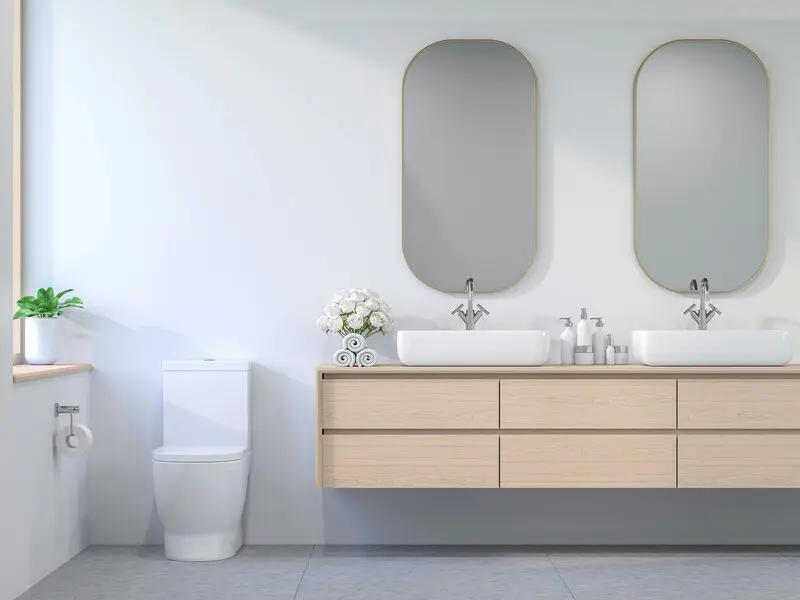
Creating a bathroom that is accessible to everyone is essential for safety, convenience, and independence. Among the key components of an accessible bathroom, ADA bathroom sinks play a pivotal role. These sinks are designed specifically to meet the Americans with Disabilities Act (ADA) standards, ensuring that individuals with mobility challenges or disabilities can use them comfortably and safely. Understanding the key features of these sinks can help homeowners, designers, and facility managers create truly accessible spaces.
Height and Clearance
One of the most important features of an accessible sink is its height and the space underneath it. ADA guidelines recommend that sinks be mounted no higher than 34 inches from the floor. Additionally, they require a minimum knee clearance of 27 inches in height, 30 inches in width, and 19 inches in depth. This allows wheelchair users to roll under the sink easily and access the faucet without obstruction. Most ADA sinks feature an open space beneath the countertop to prevent interference from cabinets or storage, which is essential for maintaining accessibility. For a variety of compliant designs, you can explore an ADA Bathroom Sink that balances both functionality and style.
Faucet Design
The type of faucet used on an ADA sink is another critical feature. Lever-operated, push-type, or sensor-activated faucets are ideal because they require minimal effort and dexterity. Traditional twist knobs can be difficult for individuals with arthritis or limited hand strength to operate. Sensor faucets, in particular, provide touch-free operation, enhancing hygiene while making the sink easier to use. Additionally, faucet controls should be reachable from a seated position, allowing users to adjust water temperature and flow comfortably.
Basin Shape and Design
The design of the sink basin also impacts accessibility. ADA-compliant sinks often feature shallow, wide basins, allowing users with limited reach to wash their hands or perform grooming tasks comfortably. Rounded or oval basins are preferred because they reduce sharp edges and allow users to approach the sink more closely. Integrated overflow drains are also common, helping prevent water from spilling onto the floor and reducing the risk of slips and falls. Some designs even include front edges that extend slightly outward, making it easier for wheelchair users to access the basin.
Safety and Durability
Safety is a key consideration in ADA sink design. Durable materials such as stainless steel, reinforced ceramics, or solid surface composites are often used because they are strong, long-lasting, and easy to clean. Rounded or beveled edges help prevent injury if a user accidentally bumps into the sink. In addition, non-slip surfaces around the sink area enhance safety, particularly in commercial or high-traffic bathrooms. Compliance with ADA standards is legally required for public facilities, making these safety features essential.
Space Planning
Proper placement of an ADA bathroom sink is critical for ensuring full accessibility. Clear floor space of at least 30 by 48 inches is recommended to allow wheelchair users to turn and maneuver comfortably. Other elements, such as mirrors, soap dispensers, and paper towel holders, should also be installed within reach—typically no higher than 40 inches from the floor. Thoughtful space planning ensures that the bathroom is not only compliant but also convenient and safe for everyone.
Aesthetic Flexibility
While accessibility is the main priority, ADA sinks can also be stylish. They are available in a range of finishes, shapes, and mounting options, including wall-mounted, pedestal, and countertop-integrated models. With careful selection, homeowners and designers can maintain an attractive, cohesive bathroom design while ensuring the space meets ADA standards.
Conclusion
ADA bathroom sinks are an essential element in accessible bathrooms, offering a combination of safety, convenience, and functionality. Features such as proper height, sufficient knee clearance, accessible faucet controls, shallow basins, durable materials, and thoughtful space planning all contribute to a user-friendly experience. By choosing an ADA-compliant sink, homeowners and facility managers can create inclusive spaces that accommodate all users, ensuring safety and comfort without compromising on style.
