

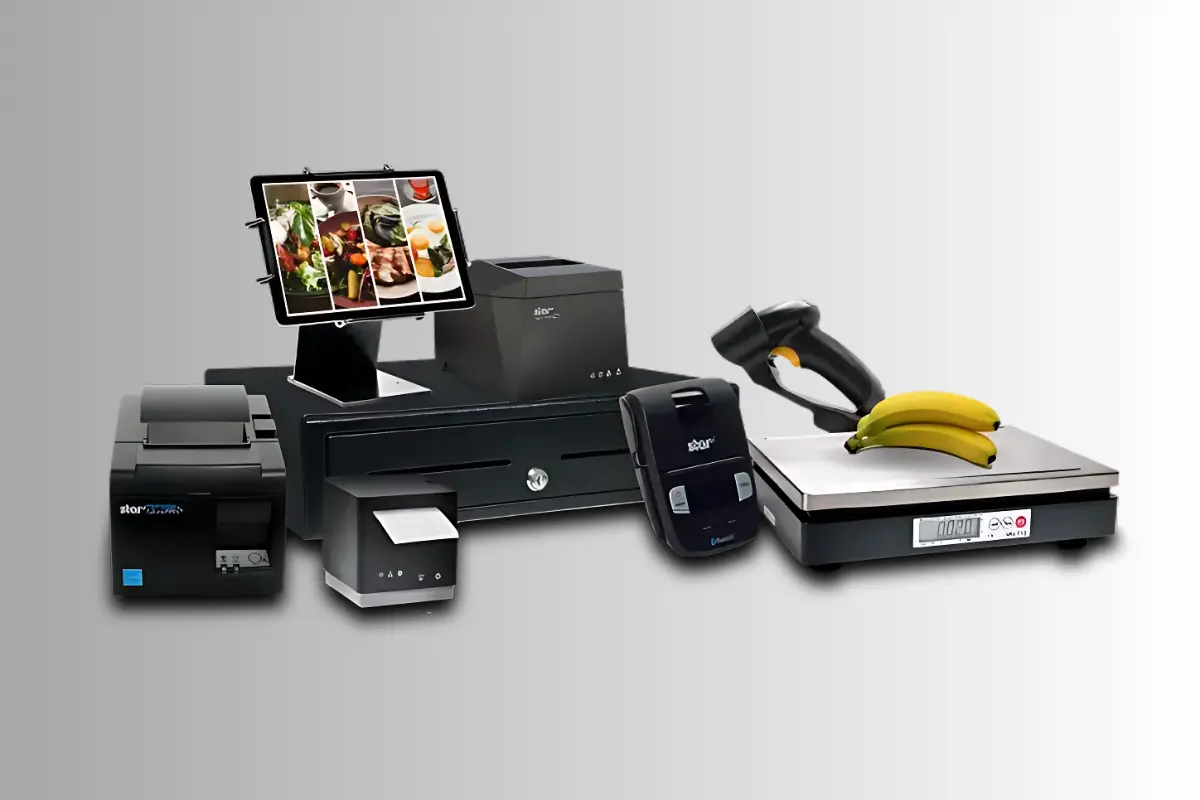
In today’s competitive retail and hospitality industries, adopting an efficient point of sale (POS) solution is no longer optional. Businesses of all sizes rely on POS systems to execute sales, manage inventory, and provide meaningful insights into customer behavior. However, not all POS systems are created equal. A modern POS solution must offer a comprehensive suite of features that go beyond basic transaction processing. These advanced capabilities help businesses operate more efficiently, enhance the customer experience, and maintain a competitive edge in an increasingly digital market.
A modern POS solution is defined not only by its ability to process payments quickly and accurately, but also by its deep integration with business workflows and data management tools. For businesses evaluating advanced options, a Complete POS System represents a fully integrated platform designed to meet the complex needs of contemporary retail and service environments. Such systems unite hardware, software, and cloud technologies in one seamless ecosystem that supports merchants from the point of sale all the way through reporting, marketing, and growth strategies.
User-Friendly Interface and Quick Transaction Processing
One of the most essential features of a modern POS system is a user-friendly interface. Whether used at a traditional checkout counter, a tablet-based setup, or a mobile station, the interface must be intuitive and responsive. Employees should be able to learn and operate the system with minimal training. This reduces errors during checkout and minimizes customer wait times, which is particularly crucial during peak business hours.
A responsive interface is supported by powerful backend software that ensures fast transaction processing. A system that lags or fails during a high-volume sales period can lead to long queues and frustrated customers. Modern POS solutions optimize performance through efficient coding and hardware compatibility, allowing for real-time updates and rapid input handling.
Inventory Management and Stock Tracking
Accurate inventory management is a core functionality of advanced POS systems. Rather than managing stock levels manually, businesses can rely on automated tracking that updates inventory in real-time with each sale. This eliminates discrepancies between actual stock and digital records, which is especially important for businesses with multiple locations or large product catalogs.
Advanced systems also support features such as low-stock alerts, automated reordering, and batch tracking. These tools help businesses maintain optimal stock levels, prevent overstocking or stockouts, and reduce the manual workload on staff. Integration with suppliers and purchase orders further streamlines inventory operations.
Flexible Payment Processing
A modern POS must accommodate a wide range of payment options. While traditional cash and credit card processing remain essential, customers increasingly expect alternative payment methods such as contactless payments, mobile wallets, and QR code transactions. Supporting these diverse options enhances customer satisfaction and can expand the customer base.
Secure payment processing also ensures compliance with industry standards, such as PCI DSS (Payment Card Industry Data Security Standard). Encryption, tokenization, and secure authentication protocols help protect sensitive payment information and build customer trust.
Customer Relationship Management (CRM) Tools
Integrating customer relationship management (CRM) features into a POS system allows businesses to track purchase histories, preferences, and engagement patterns. These insights form the foundation of personalized marketing strategies and loyalty programs. For example, a CRM-enabled POS can suggest targeted promotions or rewards based on a customer’s buying habits.
Loyalty features can be built directly into the checkout experience, letting customers accumulate points, redeem rewards, or receive special discounts. This enhances repeat business and deepens customer engagement, transforming a POS system into a strategic revenue driver rather than a mere transaction processor.
Reporting and Analytics
Real-time reporting and analytics are among the most valuable features of contemporary POS solutions. These tools turn raw sales data into actionable insights, enabling business owners to monitor performance metrics, identify trends, and make informed decisions.
Reports can cover a wide range of areas, including daily sales summaries, inventory turnover, employee performance, and peak business hours. Dashboards and visualization tools make it easy to interpret data, while customizable reporting options allow businesses to focus on the metrics that matter most to their operations.
Cloud Connectivity and Remote Access
Cloud-based POS systems offer significant advantages over traditional, on-premise solutions. By hosting software and data in the cloud, businesses gain remote access to critical information from any location with an internet connection. This is particularly beneficial for businesses with multiple locations, as it centralizes data management and ensures consistency across sites.
Cloud connectivity also ensures automatic software updates and data backups. This reduces the burden on in-house IT resources and ensures that the system remains up to date with the latest features and security patches.
Integration with Third-Party Tools
Modern POS systems are designed to integrate seamlessly with a variety of third-party applications. These may include accounting software, e-commerce platforms, marketing tools, and workforce management solutions. Integrations maximize operational efficiency by reducing duplicate data entry and enabling a unified view of business performance across multiple channels.
For example, integrating a POS system with an online store ensures that inventory levels and sales data remain synchronized, regardless of whether transactions occur in-store or online. Similarly, integration with accounting software streamlines financial reporting and reduces manual reconciliation tasks.
Security and Compliance
Security is a fundamental requirement of any modern POS system. Protecting customer data, payment information, and business records is essential for maintaining trust and avoiding costly data breaches. Advanced POS solutions incorporate secure login credentials, role-based access control, data encryption, and compliance with relevant regulatory standards.
Conclusion
A modern POS solution must encompass much more than basic transaction processing. It should offer a user-friendly interface, robust inventory management, flexible payment options, CRM capabilities, detailed reporting, cloud connectivity, and seamless integration with external systems. By delivering these features, an advanced POS system supports business operations at every level, driving efficiency, customer satisfaction, and long-term growth. For businesses that demand reliability and versatility, choosing a fully featured POS solution is a strategic investment that extends far beyond the checkout counter.
