

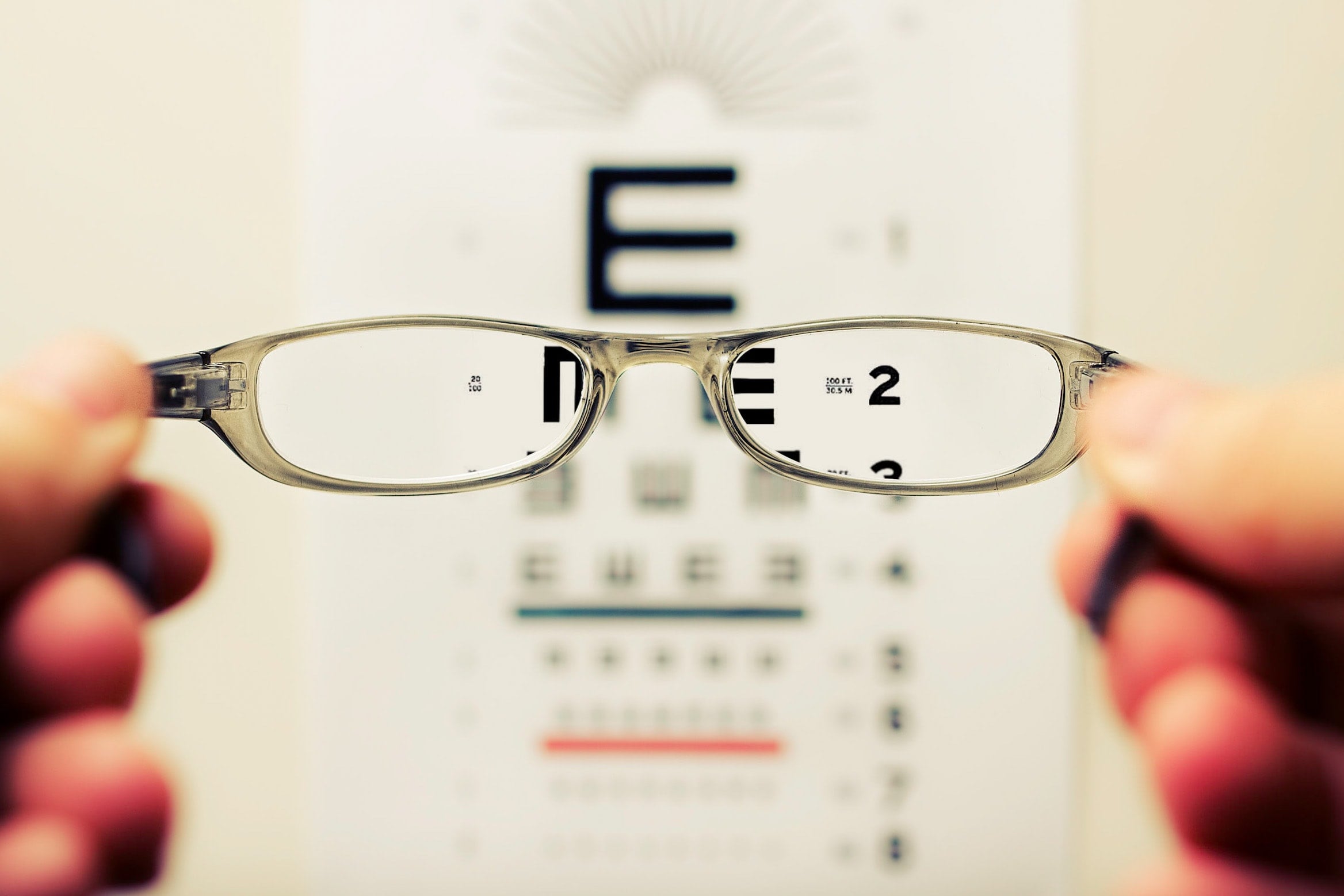
Understanding your eye prescription in terms of the 20/20 scale is essential for knowing the clarity of your vision. Many people receive prescriptions with numbers, abbreviations, and symbols that can seem confusing, but translating them into the 20/20 vision scale helps you see exactly how sharp your eyesight is. This knowledge empowers you to make informed decisions about corrective lenses, monitor your eye health, and optimize your daily visual activities.
Converting your eye prescription to the 20/20 scale gives you a practical perspective on your visual acuity. By understanding this conversion, you can determine whether your vision is normal, slightly impaired, or needs corrective measures. This helps in selecting the right lenses and ensures your eyewear meets your specific needs.
What Is the 20/20 Vision Scale?
The 20/20 vision scale is a standardized measurement of visual clarity that indicates how well a person can see at a distance of 20 feet.
- 20/20 vision: Standard vision; you see at 20 feet what a person with normal vision sees at 20 feet.
- 20/40 vision: You must be 20 feet away to see what someone with normal vision sees at 40 feet.
- 20/10 vision: Superior vision; you can see at 20 feet what a normal person sees at 10 feet.
This scale provides an easy way to understand how your vision compares to standard levels of clarity.
Components of an Eye Prescription
An eye prescription includes several key elements that describe your vision correction needs:
- Sphere (SPH): Measures nearsightedness (negative values) or farsightedness (positive values).
- Cylinder (CYL): Indicates astigmatism, which causes blurred vision at all distances.
- Axis: Specifies the orientation of astigmatism in degrees.
- Add: Additional magnification for near vision, often included in prescriptions for bifocal or progressive lenses.
Each component contributes to achieving accurate vision correction, and understanding their role is crucial for interpreting your visual acuity.
How to Convert Eye Prescription to 20/20 Vision
Converting your prescription to the 20/20 scale involves evaluating the SPH and considering other factors like astigmatism and near-vision requirements.
Step 1: Identify the Sphere Value
The SPH indicates whether you are nearsighted (myopic) or farsighted (hyperopic). Negative SPH values indicate nearsightedness, while positive values indicate farsightedness. This is the main value used to estimate visual clarity on the 20/20 scale.
Step 2: Use a Conversion Chart or Calculator
There are reliable online tools and charts that convert SPH values to the 20/20 scale. These resources provide an estimated visual acuity, helping you understand how your prescription affects your everyday vision.
Step 3: Include Astigmatism
Astigmatism, represented by the CYL and Axis, can slightly modify visual acuity. Accurate conversion considers these values to reflect overall vision sharpness.
Step 4: Consider Add for Near Vision
If your prescription has an Add value for reading or multifocal needs, this affects near vision on the 20/20 scale. Including it ensures a complete understanding of your visual performance at all distances.
Interpreting Your 20/20 Equivalent
Once your eye prescription is converted, the 20/20 scale provides a simple interpretation:
- 20/20: Normal vision, no correction needed.
- 20/30 to 20/40: Mild impairment; corrective lenses may be optional.
- 20/50 to 20/70: Moderate impairment; lenses recommended.
- 20/80 and below: Significant vision loss; corrective measures are essential.
This interpretation helps you understand how your vision impacts everyday tasks, from driving to reading and screen work.
Why Understanding Your 20/20 Equivalent Is Important
Better Lens Selection
Knowing your 20/20 equivalent ensures your glasses or contacts are designed precisely for your visual needs, improving clarity and comfort.
Improved Communication with Eye Professionals
By understanding your 20/20 value, you can discuss your vision accurately with optometrists and ophthalmologists, helping them recommend the best corrective solutions.
Tracking Vision Changes
Regularly converting prescriptions to the 20/20 scale allows you to monitor changes in your visual acuity, helping detect early signs of vision deterioration.
Lifestyle Adjustments
Understanding your actual vision can guide your daily activities, including reading distance, screen time, and outdoor tasks, reducing eye strain and improving safety.
Common Misconceptions
- Same SPH always equals same vision: False; astigmatism and Add values can impact clarity.
- 20/20 vision is perfect vision: Not necessarily; some people see better than 20/20 naturally.
- Conversion is exact: The 20/20 scale is an estimate to help interpret vision, not a precise measurement.
Being aware of these facts helps set realistic expectations for vision correction and lens selection.
Tips for Maintaining Healthy Vision
- Schedule eye exams every 1–2 years.
- Wear prescribed lenses consistently.
- Use sunglasses to protect against UV rays.
- Take regular breaks from screens to reduce eye strain.
- Eat a diet rich in vitamins A, C, and E to support eye health.
These habits, combined with understanding your 20/20 equivalent, promote long-term eye health and optimal visual performance.
When to See an Eye Care Professional
You should consult an optometrist or ophthalmologist if you experience:
- Blurred or double vision
- Headaches from eye strain
- Difficulty focusing at different distances
- Rapid changes in vision
Eye care professionals can accurately interpret your prescription, convert it to the 20/20 scale, and recommend corrective lenses or treatments.
Final Thoughts
Converting your eye prescription to the 20/20 scale simplifies understanding your visual acuity. It helps you make informed decisions about lenses, track changes in vision, and maintain long-term eye health. While prescriptions may seem complicated, translating them into a 20/20 equivalent gives a practical perspective on how clearly you see.
Understanding your 20/20 equivalent ensures that your lenses are accurately tailored, reducing eye strain and improving daily visual tasks. With this knowledge, you can confidently manage your eyesight, choose the right corrective lenses, and enjoy sharp, comfortable vision every day.
