

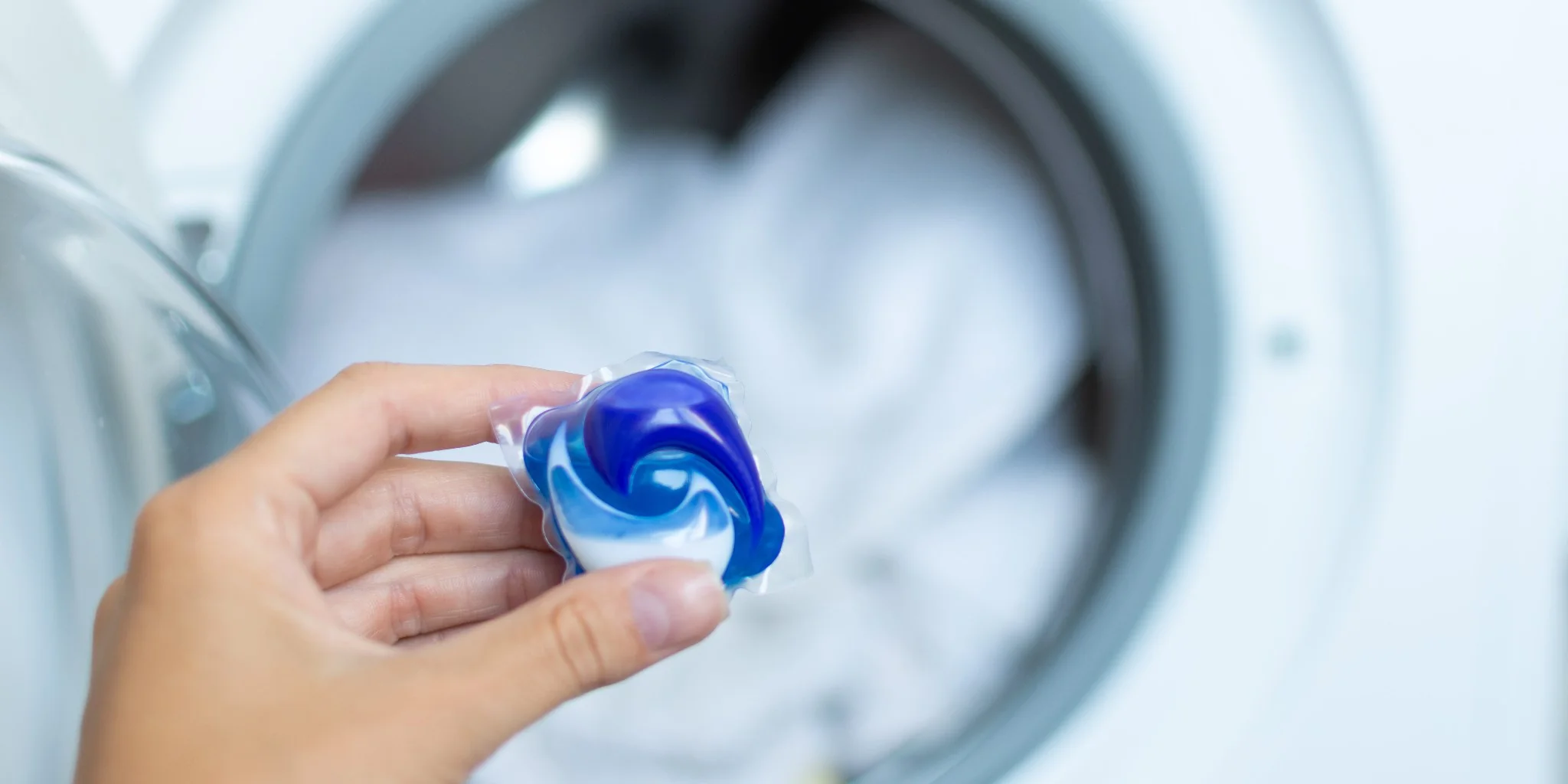
Detergent pods have revolutionized the laundry industry by offering pre-measured, convenient, and mess-free cleaning solutions. The production of these pods relies on specialized machines that combine precision engineering with automation to produce consistent, high-quality products. Understanding the principles behind detergent pod making machines and their applications is essential for manufacturers looking to optimize production, ensure product quality, and meet growing consumer demand.
Principles of Detergent Pod Making Machines
Detergent pod making machines operate based on several core principles that ensure accurate dosing, proper sealing, and uniform pod formation. The primary stages include film handling, dosing, sealing, and cutting.
Film handling involves the careful unwinding and alignment of water-soluble film used to encase the detergent. Maintaining proper tension and positioning of the film is critical to prevent tearing and ensure that each pod is formed correctly. The dosing system then measures precise quantities of detergent, whether in liquid, gel, or powder form, to ensure consistent cleaning performance for each pod.
Sealing is a key principle in pod production. The machine uses heat or ultrasonic energy to bond the film around the detergent, creating a leak-proof and durable pod. Accurate temperature, pressure, and timing are crucial to avoid defects such as weak seals or deformation. Finally, the cutting mechanism separates individual pods, ensuring uniform size and shape. Machines such as the Detergent Pod Making Machine integrate these principles into a continuous, automated process that minimizes human error and maximizes production efficiency.
Types of Detergent Pod Making Machines
Detergent pod making machines can be classified into several types based on automation level, detergent formulation, and pod design. Semi-automatic machines are ideal for small-scale production or testing new formulations. These machines require some manual intervention, such as loading film, monitoring dosing, and collecting finished pods, but they offer flexibility and lower initial costs.
Fully automated machines are designed for high-volume production. They handle all aspects of pod formation, including film feeding, dosing, sealing, and cutting, with minimal operator involvement. These machines are equipped with advanced controls, sensors, and monitoring systems, allowing for precise adjustments and consistent product quality across large production runs.
Additionally, some machines are specialized for liquid, gel, or powder detergents, while others are capable of producing multi-chamber pods that combine detergent with fabric softeners, fragrances, or other additives. Multi-chamber capability allows manufacturers to create innovative products that cater to premium market segments.
Applications of Detergent Pod Making Machines
Detergent pod making machines are widely used in commercial and industrial laundry pod production. They enable manufacturers to produce pods for household use, hotels, hospitals, and commercial laundry services. By automating the production process, these machines help companies meet increasing consumer demand while maintaining high standards of quality and consistency.
In addition to standard laundry pods, machines with multi-chamber capabilities allow for customized formulations that combine multiple ingredients in a single pod. This versatility supports product innovation and differentiation in competitive markets. Manufacturers can also adjust pod size, shape, and composition to cater to specific consumer preferences, retail packaging requirements, or regional market demands.
The use of automated detergent pod making machines also reduces labor costs, minimizes material waste, and ensures reliable sealing and accurate dosing. This efficiency is especially valuable for large-scale production facilities, where consistency and speed are critical to maintaining profitability.
Benefits of Using Detergent Pod Making Machines
Using detergent pod making machines offers several advantages. First, automation ensures uniform pod size and weight, resulting in consistent cleaning performance and improved consumer satisfaction. Second, precise dosing reduces detergent waste, lowering production costs and environmental impact.
Third, advanced machines are designed with safety and ergonomic considerations, protecting operators from chemical exposure and mechanical hazards. Fourth, machines with programmable settings and monitoring systems allow manufacturers to quickly switch between products, formulations, and pod designs, providing flexibility to respond to market trends.
Finally, the efficiency and speed of automated machines enable high-volume production without sacrificing quality. Manufacturers can scale operations, reduce downtime, and achieve better overall profitability by investing in modern detergent pod making technology.
Conclusion
Detergent pod making machines are a cornerstone of modern laundry pod production. By combining precise dosing, accurate sealing, and uniform pod formation, these machines ensure consistent quality and efficiency. They support both small-scale and large-scale operations, with options for multi-chamber pods, various detergent formulations, and customizable pod designs.
Investing in a reliable Detergent Pod Making Machine allows manufacturers to optimize production, minimize waste, and introduce innovative products to the market. Understanding the principles and applications of these machines helps businesses maintain high standards of quality, efficiency, and competitiveness in the growing laundry pod industry.
