

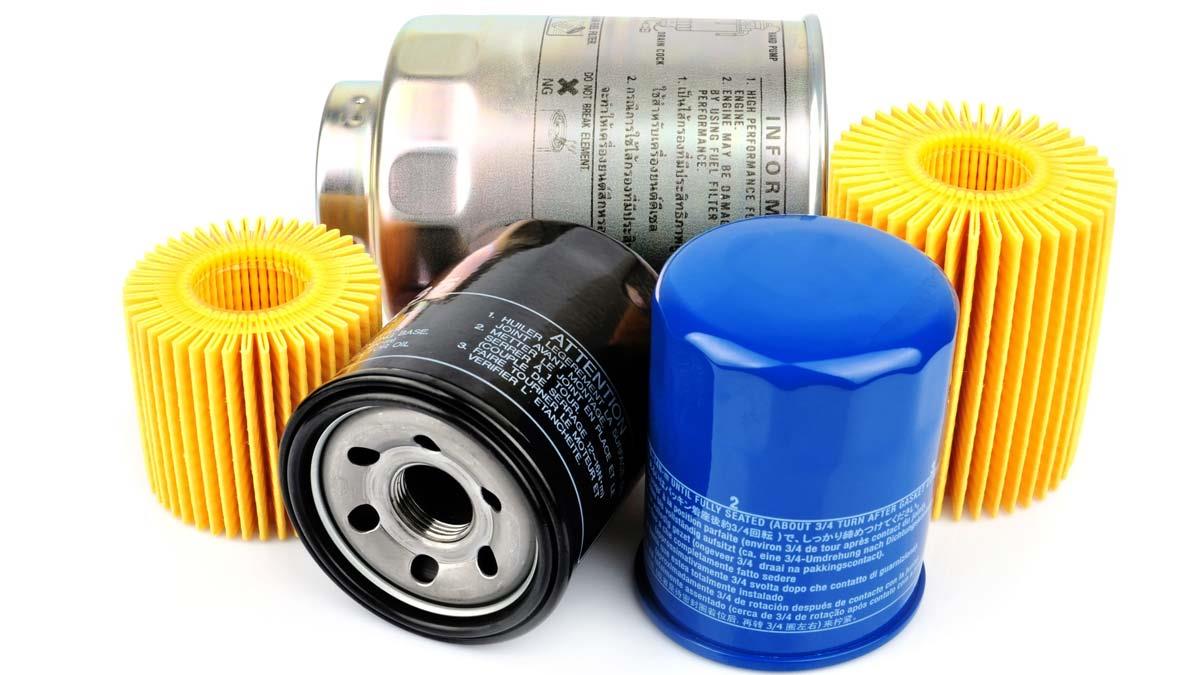
Oil filters are essential components in automotive systems, protecting engines from contaminants and ensuring optimal performance. The manufacturing of oil filters involves multiple processes, materials, and quality controls, all of which contribute to the final cost of the product. Understanding these cost factors is important for manufacturers, suppliers, and customers who want to ensure value without compromising quality or performance.
China has become a major hub for oil filter manufacturing, offering a wide range of products for domestic and international markets. A reliable China Oil Filter Supplier balances cost efficiency with high-quality standards to meet the demands of vehicle manufacturers, fleet operators, and aftermarket distributors. The cost of producing oil filters is influenced by raw materials, labor, technology, production processes, quality control, and logistics, among other factors.
Raw Material Costs
One of the largest contributors to oil filter manufacturing costs is raw materials. The filter media, which can be made of cellulose, synthetic fibers, or a combination of both, directly affects filtration efficiency and durability. High-performance synthetic media typically cost more than cellulose due to their superior contaminant retention, heat resistance, and longer service life.
Other materials, including metal end caps, gaskets, adhesives, and housing components, also contribute to costs. The quality and type of metal used, as well as precision in forming and assembly, influence both manufacturing expenses and product reliability. Fluctuations in global commodity prices, such as metals or petroleum-based fibers, can directly impact the overall cost of oil filter production.
Labor and Manufacturing Expenses
Labor costs play a significant role in oil filter manufacturing, particularly in processes that require skilled technicians, quality inspection, or assembly. China offers a competitive labor market with trained personnel experienced in automotive component production, which helps suppliers maintain cost efficiency while adhering to high standards.
Manufacturing expenses also include the operation and maintenance of production machinery, energy consumption, and equipment depreciation. Automated production lines reduce human error and improve efficiency but require significant initial investment. Balancing automation with manual processes ensures high-quality output while controlling manufacturing costs.
Technology and Equipment Investment
Investment in technology and advanced machinery is a critical cost factor for oil filter suppliers. Precision pleating machines, automated assembly lines, and quality control instruments enable manufacturers to produce filters with consistent performance, fit, and durability. While these technologies reduce long-term labor costs and improve efficiency, they require significant upfront capital expenditure, which is factored into the price of the final product.
Suppliers who continuously invest in research and development also incur additional costs associated with designing advanced filter media, improving filtration efficiency, or creating custom solutions for specialized engines. These innovations enhance product value but can increase production expenses.
Quality Control and Testing
Rigorous quality control is essential in oil filter manufacturing to ensure reliable performance and compliance with international standards. Each filter undergoes testing for filtration efficiency, pressure resistance, flow rate, and contaminant holding capacity. Environmental and durability tests may also be conducted to simulate extreme operating conditions.
Quality control adds labor, equipment, and material costs, but it is critical to maintaining product reliability and customer satisfaction. Suppliers who prioritize quality are able to charge a premium while reducing the risk of warranty claims and engine damage associated with substandard filters.
Regulatory Compliance and Certification
Meeting regulatory and industry standards is another factor influencing manufacturing costs. Suppliers producing filters for international markets must comply with ISO 9001, IATF 16949, RoHS, or REACH regulations. Achieving and maintaining these certifications involves audits, process documentation, and periodic inspections, which contribute to overall expenses. Compliance ensures that filters can be exported to global markets and enhances the credibility of the supplier.
Packaging, Storage, and Logistics
Packaging and logistics are often overlooked but significant cost components in oil filter manufacturing. Filters must be packaged to prevent contamination, moisture damage, or deformation during transportation. Protective packaging materials, labeling, and storage facilities all add to production costs.
Efficient logistics management, including inventory tracking, warehouse handling, and timely shipping, ensures that products reach distributors and clients in optimal condition. Poor logistics or inadequate packaging can result in returns, damage, or reduced shelf life, increasing overall operational costs.
Economies of Scale and Production Volume
The volume of production significantly impacts manufacturing costs. High-volume suppliers can achieve economies of scale, reducing per-unit costs through bulk procurement of raw materials, optimized production processes, and automated machinery. Conversely, small-batch or custom production may result in higher costs per filter due to lower efficiency and higher labor intensity.
China oil filter suppliers are often capable of scaling production efficiently to serve both large international clients and specialized markets, maintaining a balance between cost and quality.
Conclusion
Oil filter manufacturing costs are influenced by multiple factors, including raw materials, labor, technology, quality control, regulatory compliance, and logistics. Effective management of these factors allows suppliers to produce high-quality filters at competitive prices while meeting international standards. Partnering with a trusted China Oil Filter Supplier ensures access to reliable products that balance performance, durability, and cost-efficiency. By understanding these cost factors, automotive manufacturers and distributors can make informed decisions when selecting oil filters that deliver long-term engine protection and value.
