

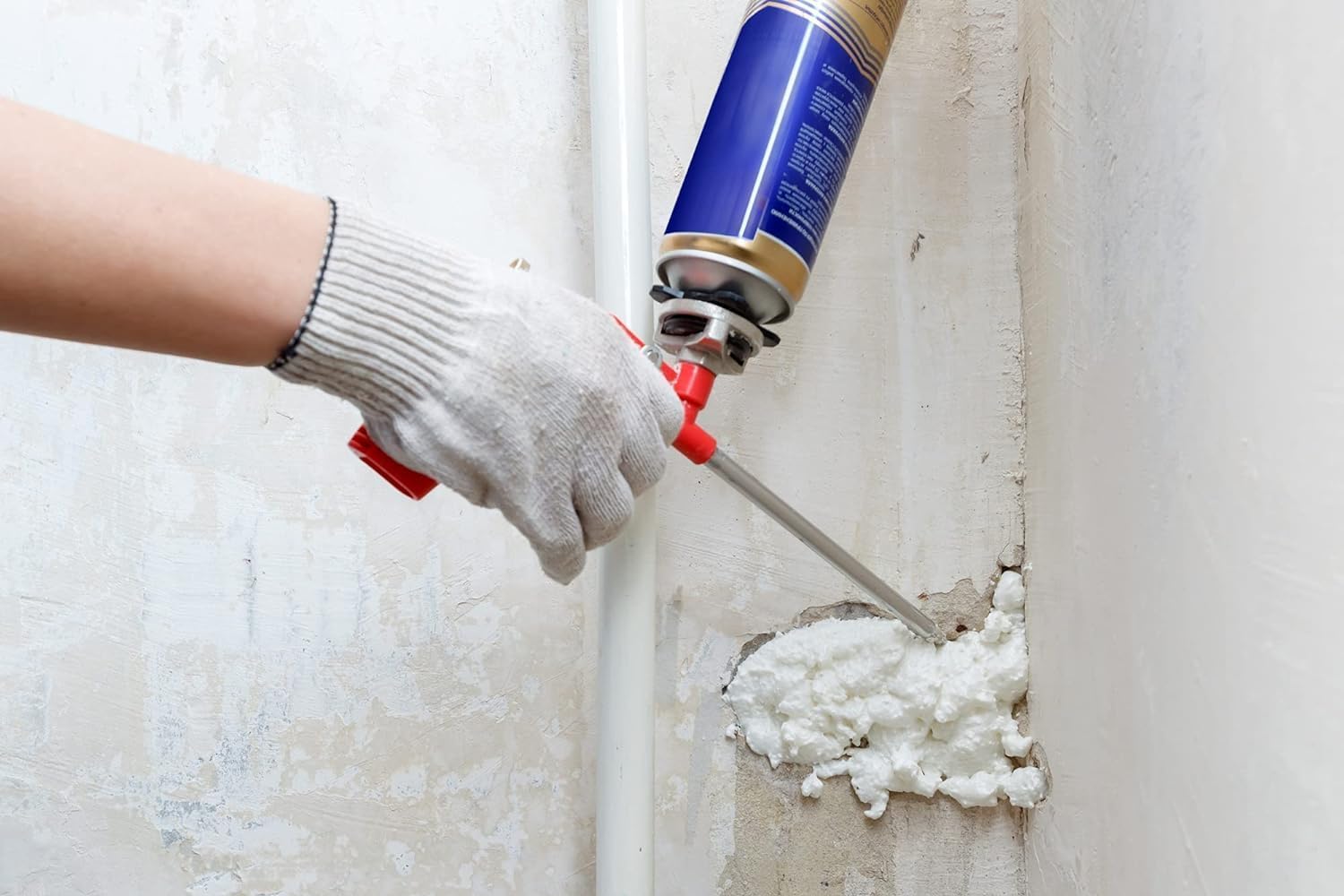
Effective sealing and insulation are critical for maintaining comfort, energy efficiency, and structural integrity in homes and offices. Foam sealant has become a widely used material for addressing gaps, cracks, and cavities in various settings. Its versatility, durability, and ease of application make it an essential tool for both professional contractors and DIY enthusiasts.
Understanding Foam Sealant
Foam sealant is a polyurethane-based expanding material designed to fill gaps and adhere to a variety of surfaces, including wood, metal, concrete, and brick. Its ability to expand and create airtight and moisture-resistant seals makes it ideal for both residential and commercial environments. For high-quality options suitable for a wide range of applications, foam sealant is available in formulations designed for indoor, outdoor, and specialized uses, ensuring consistent performance and reliability.
Sealing Gaps and Cracks
One of the primary uses of foam sealant is filling gaps and cracks in walls, ceilings, and floors. These spaces can allow air drafts, moisture, and pests to enter, leading to energy loss and potential structural damage. Applying foam sealant effectively seals these openings, improving comfort, reducing heating and cooling costs, and protecting the building from damage.
Insulating Doors and Windows
Windows and doors are common sources of air leakage in homes and offices. Foam sealant is particularly effective in sealing gaps around frames, providing an airtight and moisture-resistant barrier. This not only enhances energy efficiency but also reduces noise infiltration from outside, creating a quieter and more comfortable indoor environment.
Plumbing and Electrical Applications
Foam sealant is often used to seal gaps around pipes, vents, and electrical conduits. These penetrations can create pathways for air, water, and pests if left unsealed. By filling these spaces with foam sealant, property owners can prevent leaks, improve insulation, and maintain structural integrity, particularly in areas prone to moisture exposure such as kitchens, bathrooms, and utility rooms.
Wall and Ceiling Insulation
In addition to sealing, foam sealant acts as an effective thermal insulator. When applied inside wall cavities, around roof spaces, or in ceilings, it reduces heat transfer, helping to maintain consistent indoor temperatures. Its expansion ability ensures that it fills irregular spaces completely, enhancing the overall thermal efficiency of the building.
Soundproofing Applications
Foam sealant also serves as an acoustic barrier. Its dense structure can reduce noise transmission between rooms or from external sources. This makes it particularly useful in offices, apartments, or homes located in noisy environments, where maintaining privacy and comfort is a priority.
Exterior Weatherproofing
For outdoor applications, foam sealant is used to seal gaps in facades, roof edges, and exterior vents. Weather-resistant formulations protect against water, wind, and UV exposure, preventing potential damage and prolonging the lifespan of building materials. Proper exterior sealing also contributes to energy efficiency by minimizing air leakage.
Furniture and Cabinet Installation
Foam sealant is occasionally used during the installation of cabinets, shelves, and furniture to fill gaps between units and walls. This application not only improves stability but also prevents dust and insects from entering small spaces, enhancing both functionality and cleanliness.
Tips for Effective Use
- Ensure surfaces are clean and dry before applying foam sealant for optimal adhesion.
- Apply foam gradually to control expansion, especially in deep or wide gaps.
- Use protective gloves and eye protection to prevent irritation from uncured foam.
- Trim excess foam after curing to achieve a neat finish.
- Select the appropriate formulation for indoor, outdoor, or specialized applications to maximize performance.
Conclusion
Foam sealant is a versatile and highly effective material for a wide range of applications in homes and offices. From sealing gaps and cracks to insulating doors, windows, walls, and ceilings, it enhances energy efficiency, moisture protection, and structural stability. Its ability to reduce noise, protect against pests, and improve the durability of building materials makes it an indispensable tool in both residential and commercial settings. By understanding the common uses and proper application techniques, homeowners and office managers can achieve long-lasting, efficient, and professional results in their sealing and insulation projects.
